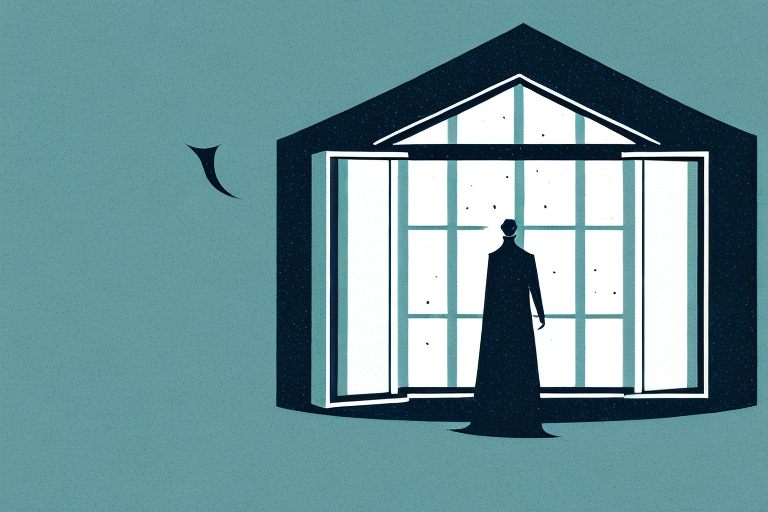
Thriller novels have always been a popular genre for readers looking for suspense, mystery, and excitement. A.J. Finn’s The Woman in the Window and Lars Emmerich’s Burn are two recent examples of the genre that have garnered attention from readers and critics alike. In this article, we will take an in-depth look at both novels, analyzing their writing styles, plot twists, characters, settings, and themes, and comparing them with each other to see what makes them stand out in the crowded field of thriller novels.
An Overview of the Two Thriller Novels: The Woman in the Window and Burn
The Woman in the Window tells the story of Anna Fox, a former child psychologist suffering from agoraphobia who spends her days observing her neighbors through her window. When she witnesses a photograph of a neighbor being murdered, she becomes embroiled in a dangerous conspiracy that threatens her life. Burn, on the other hand, is about Lucas Grafton, a former CIA agent who leaves his job to start a private security firm. Lucas and his team must protect a wealthy businessman and his family from a deadly threat.
Both novels are gripping thrillers that keep readers on the edge of their seats. The Woman in the Window is a psychological thriller that explores the depths of human fear and paranoia, while Burn is a fast-paced action thriller that takes readers on a wild ride through the world of private security. Despite their differences, both novels share a common theme of danger and suspense, making them must-reads for fans of the thriller genre.
Analyzing the Writing Style and Tone of A.J. Finn’s The Woman in the Window
One of the most notable aspects of The Woman in the Window is Finn’s writing style, which is characterized by its vivid descriptions and fast-paced, suspenseful prose. Finn’s use of short, punchy sentences, and short paragraphs keeps readers on the edge of their seats throughout the novel. Additionally, the tone of the book is dark and brooding, adding to its overall sense of unease and tension.
Another interesting aspect of Finn’s writing style is his use of unreliable narration. The protagonist, Anna Fox, is an unreliable narrator due to her struggle with agoraphobia and alcoholism. This adds an extra layer of complexity to the story, as readers are left questioning what is real and what is imagined. Finn’s skillful use of unreliable narration adds to the overall suspense and mystery of the novel, making it a thrilling read for fans of the genre.
The Plot Twists and Suspense in Burn by Lars Emmerich
Burn is full of plot twists and turns that keep readers guessing until the very end. Emmerich skillfully blends action and intrigue, creating a thrilling narrative that keeps readers engaged from start to finish. The suspenseful atmosphere is heightened by the constant threat of danger that permeates the pages of the book, making it a heart-pounding read.
One of the most impressive aspects of Burn is the way Emmerich manages to keep readers on their toes throughout the entire story. Just when you think you have everything figured out, a new twist is introduced that completely changes the game. This makes for an incredibly satisfying reading experience, as you are constantly kept on the edge of your seat, eager to see what will happen next. Emmerich’s masterful storytelling and attention to detail make Burn a must-read for fans of suspense and action-packed thrillers.
Comparing the Protagonists: Anna Fox vs. Lucas Grafton
Anna Fox and Lucas Grafton are two very different protagonists who bring their unique personalities and experiences to their respective novels. Anna is a complex character struggling with mental health issues, while Lucas is a tough, no-nonsense former CIA agent. Despite their differences, both characters are likable and relatable, and their stories keep readers invested in the outcomes of their respective narratives.
One interesting aspect to note is how the authors of each novel use different writing styles to convey the personalities of their protagonists. In “The Woman in the Window,” author A.J. Finn uses a first-person narrative from Anna’s perspective, allowing readers to intimately understand her thoughts and emotions. On the other hand, in “The Terminal List,” author Jack Carr uses a third-person narrative to describe Lucas’ actions and thoughts, creating a more distant but still engaging reading experience. Despite these differences, both authors effectively bring their characters to life and keep readers engaged throughout their respective stories.
The Role of Setting in The Woman in the Window and Burn
The settings of both novels play a significant role in the stories they tell. The Woman in the Window is set in a claustrophobia-inducing New York apartment building, which adds to the sense of isolation and paranoia that Anna experiences. Burn, on the other hand, takes place in various global locations, from London to Moscow, which gives the book a more expansive, international feel.
In addition to the impact on the overall atmosphere of the novels, the settings also affect the characters’ behavior and decisions. In The Woman in the Window, Anna’s fear of leaving her apartment is heightened by the fact that she lives in a building with a strict security system, making it difficult for her to escape her situation. In Burn, the characters’ travels to different countries expose them to different cultures and ways of life, which influences their perspectives and actions.
Furthermore, the settings in both novels serve as a reflection of the characters’ internal struggles. In The Woman in the Window, Anna’s apartment represents her mental state, as it becomes increasingly cluttered and disorganized as her mental health deteriorates. In Burn, the various locations symbolize the characters’ search for identity and purpose, as they navigate different environments and encounter new challenges.
Examining the Supporting Characters: Dr. Landy vs. Detective Samuels
Supporting characters can make or break a novel, and both The Woman in the Window and Burn feature memorable and well-written supporting characters. In The Woman in the Window, Dr. Landy is a nuanced and compassionate therapist who offers support and guidance to Anna throughout the book. In Burn, Detective Samuels is a tough, street-smart cop who aids Lucas and his team in their quest to protect their clients. Both characters provide crucial insights and assistance to the main characters, adding depth and richness to the narratives.
The Use of Flashbacks in A.J. Finn’s The Woman in the Window and Lars Emmerich’s Burn
Flashbacks are a common narrative device in thriller novels, and both The Woman in the Window and Burn employ them to great effect. In The Woman in the Window, Anna’s past traumas and experiences are revealed through flashbacks, adding depth and complexity to her character. In Burn, Lucas’s backstory is revealed through a series of flashbacks, giving readers insight into his motivations and personality.
Themes Explored in Both Novels: Trust, Betrayal, and Mental Health
Both novels explore themes of trust, betrayal, and mental health in unique and thought-provoking ways. The Woman in the Window delves deeply into Anna’s struggles with agoraphobia and the impact it has on her life, while also examining the themes of trust and betrayal in the context of a conspiracy that threatens her life. Burn explores themes of trust and betrayal as Lucas and his team try to uncover a sinister plot that could have deadly consequences. Additionally, the novel explores themes of mental health through Lucas’s struggle with PTSD and his decision to leave his job at the CIA.
Cultural Significance of The Woman in the Window and Burn as Popular Thriller Novels
The Woman in the Window and Burn have both achieved significant cultural significance as popular thriller novels with compelling narratives, well-defined characters, and gripping suspense. Both books have been adapted into movies, and have cemented their place as must-reads for fans of the thriller genre. Additionally, they have sparked discussions about mental health, trust, and betrayal, and have opened up new avenues for exploration in the genre.
In conclusion, The Woman in the Window and Burn are two thrilling and engaging novels that stand out in the crowded field of the thriller genre. Their unique characters, settings, and themes make them must-reads for any fan of the genre, and their cultural significance will ensure that they continue to be enjoyed for years to come.