When it comes to the thriller genre, there are plenty of novels to choose from, each with its own unique plot, characters, and writing style that makes it stand out from the rest. In this article, we’re going to take a closer look at two such thriller novels: The Light Between Oceans by M.L. Stedman and The Wrong by Lars Emmerich. We’ll examine the plot and themes, characters, writing style, settings, use of suspense and tension, and endings of both novels, and ultimately help you decide which one to add to your must-read list.
The Plot and Themes of The Light Between Oceans
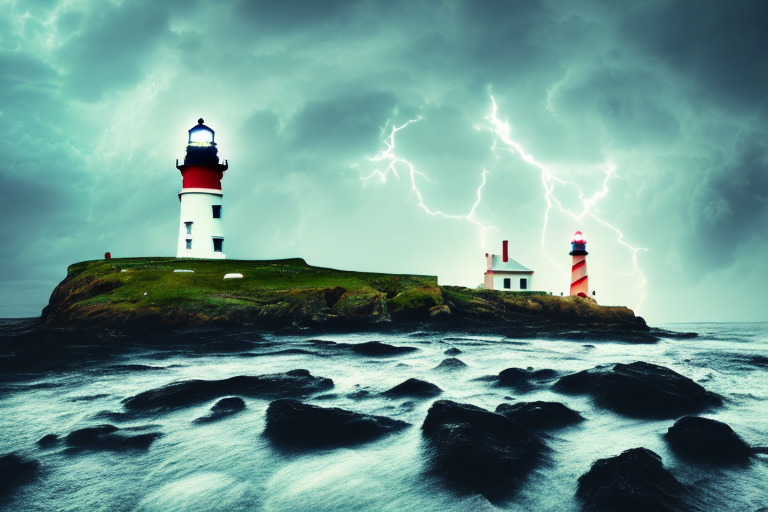
The Light Between Oceans tells the story of Tom Sherbourne, a World War I veteran who becomes a lighthouse keeper on a remote island off the coast of Western Australia. He is joined by his wife, Isabel, and together they long for a child of their own after Isabel has multiple miscarriages. One day, a boat washes up on the island carrying a dead man and a crying baby. Isabel convinces Tom to keep the baby and raise her as their own, leading to a moral dilemma as they face the consequences of their decision.
The novel explores themes of love, loss, and sacrifice, as well as the consequences of the choices we make. It asks readers to consider what they would do in a similar situation and how far they would go to protect the ones they love.
The Light Between Oceans also delves into the complexities of motherhood and the bond between a mother and child. Isabel’s desperation to have a child of her own drives her to make a decision that ultimately changes the course of her life. The novel raises questions about the definition of motherhood and whether it is solely based on biology or if it can be formed through love and nurturing.
Furthermore, the book explores the impact of trauma and how it can shape a person’s actions and decisions. Tom’s experiences in World War I have a profound effect on him and his relationship with Isabel. The novel highlights the importance of understanding and supporting those who have experienced trauma, and the long-lasting effects it can have on their lives.
The Characters in The Light Between Oceans
The characters in The Light Between Oceans are complex and well-developed. Tom and Isabel are both flawed individuals with their own past traumas that influence their actions throughout the novel. The baby, named Lucy, becomes a source of both joy and guilt for the couple, and the other characters in the book – including Tom’s boss at the lighthouse, the dead man’s family, and a local woman named Hannah – each play a significant role in the story.
Tom’s boss, Ralph, is a father figure to Tom and provides guidance and support throughout the novel. He is also a symbol of authority and the law, which creates tension for Tom as he struggles with his decision to keep Lucy. The dead man’s family, particularly his mother, represent the grief and loss that comes with war and the impact it has on families. Their presence in the story highlights the consequences of Tom and Isabel’s actions.
Hannah, a woman who has suffered her own loss, becomes a key figure in the latter part of the novel. Her kindness and understanding towards Tom and Isabel, despite their actions, provides a sense of hope and redemption. She also serves as a reminder that forgiveness and compassion can be found even in the most difficult of circumstances.
The Writing Style of M.L. Stedman
M.L. Stedman’s writing style is immersive and descriptive, painting a vivid picture of the remote island and its inhabitants. The language is often poetic, and the author effectively uses symbolism and metaphors to convey deeper meaning. The novel is divided into several sections, each with its own distinct tone and voice, and the pacing is slow and deliberate, allowing readers to fully absorb the story.
Furthermore, Stedman’s writing style is characterized by her ability to create complex and multi-dimensional characters. Each character is given a unique backstory and personality, making them feel like real people rather than just fictional creations. Stedman also explores themes of love, loss, and the human condition in a way that is both thought-provoking and emotionally resonant. Overall, her writing style is a masterful blend of vivid imagery, poetic language, and deep characterization.
The Plot and Themes of The Wrong
The Wrong follows a man named John Hayes who wakes up in a hotel room in Shanghai with no memory of how he got there. He soon discovers that he is a wanted criminal and goes on the run to clear his name and uncover the truth behind his predicament. Along the way, he teams up with a journalist and faces numerous obstacles, including corrupt officials and dangerous criminals. The novel explores themes of identity, power, and corruption, as well as the lengths we will go to protect ourselves and those we love.
The Characters in The Wrong
The characters in The Wrong are also well-developed, with John Hayes serving as both protagonist and antagonist. His moral ambiguity and questionable actions throughout the novel challenge readers’ perceptions of what it means to be a hero. The journalist, Mako, provides a fresh perspective on the story and becomes an important ally for John. The other characters in the book – including a mysterious woman named Lucy and a ruthless gang leader named Chen – help to drive the plot forward.
The Writing Style of Lars Emmerich
Lars Emmerich’s writing style is fast-paced and action-packed, with plenty of twists and turns to keep readers on the edge of their seats. The language is often gritty and visceral, reflecting the violent and dangerous world that John finds himself in. The novel is divided into short, fast-moving chapters, with each one ending on a cliffhanger, making it difficult to put down.
Comparing the Settings of the Two Novels
While The Light Between Oceans takes place on a remote island off the coast of Western Australia, The Wrong is set in Shanghai, China. Both settings are integral to the plot and help to shape the characters and their actions. The isolated island in The Light Between Oceans serves as a metaphor for the characters’ emotional isolation, while the bustling city of Shanghai in The Wrong represents the danger and chaos that John must navigate.
Examining the Use of Suspense and Tension in Both Novels
Both novels utilize suspense and tension effectively to keep readers engaged. In The Light Between Oceans, the moral dilemma faced by the characters creates a sense of unease that builds throughout the story, while in The Wrong, John’s predicament and the various obstacles he faces provide constant suspense. The pacing and structure of each book also play a role in creating tension, with The Light Between Oceans taking a slower, more deliberate approach, while The Wrong moves at a breakneck pace.
Analyzing the Endings: Surprise or Predictable?
Without giving away any spoilers, it’s safe to say that both novels have endings that will leave readers satisfied. The Light Between Oceans provides a bittersweet conclusion that feels earned, while The Wrong delivers a series of surprising twists that will keep readers guessing until the very end. While both endings are different, they are equally effective in their own ways.
How Do These Novels Fit Into the Thriller Genre?
Both The Light Between Oceans and The Wrong can be classified as thriller novels, but they approach the genre in different ways. The Light Between Oceans is more introspective, focusing on moral dilemmas and character development, while The Wrong is more action-oriented, with a focus on plot twists and suspense. Both novels are well-written and engaging, and should appeal to fans of the thriller genre.
Choosing Between The Light Between Oceans and The Wrong: Which One to Read?
Ultimately, the decision of which novel to read comes down to personal preference. If you enjoy slower-paced, character-driven stories with a focus on moral dilemmas, then The Light Between Oceans is the book for you. If you prefer fast-paced, action-packed novels with plenty of plot twists, then The Wrong should be at the top of your list. Both books are well worth the read, and showcase the versatility and depth of the thriller genre.