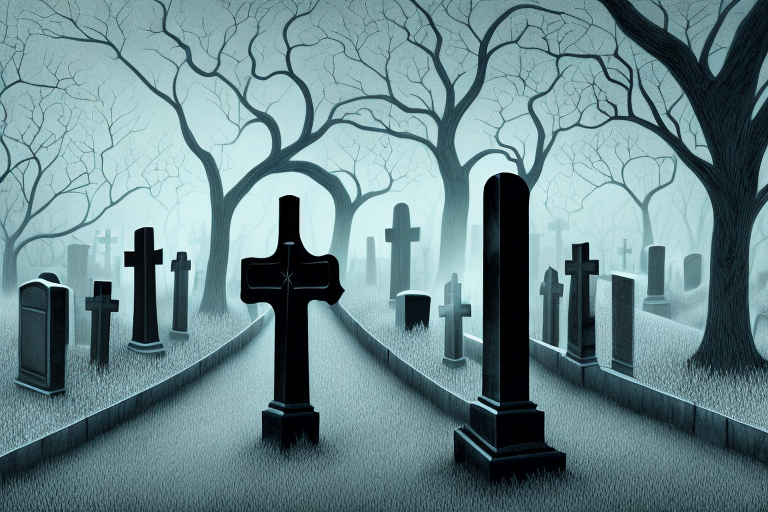
Thriller novels have always been a popular genre among readers, with their fast-paced action, suspense, and thrilling plot twists keeping readers on the edge of their seats. In this article, we will be comparing and contrasting two acclaimed thriller novels – Cemetery Road by Greg Iles and Meltdown by Lars Emmerich. From the plot overview to the character development, and the writing style to the setting, we will explore the various aspects of these books to help you choose your next thrilling read.
The Plot Overview of Cemetery Road by Greg Iles
Set in Mississippi, Cemetery Road revolves around the life of Marshall McEwan, a successful journalist who returns to his hometown after forty years for his father’s funeral. As he settles down and reconnects with his old friends and family, he uncovers a dangerous conspiracy involving the town’s elite and a controversial billion-dollar casino project. As he delves deeper into the mystery, he is forced to confront his past, with its secrets and betrayals, while also trying to protect his town and loved ones from harm.
Throughout the novel, Iles explores themes of power, corruption, and the consequences of greed. The town’s elite are willing to do whatever it takes to get their hands on the casino project, even if it means destroying the lives of those around them. Marshall must navigate this dangerous landscape, all while dealing with his own personal demons and the fallout from his past mistakes. Cemetery Road is a gripping thriller that will keep readers on the edge of their seats until the very end.
A Brief Introduction to Meltdown by Lars Emmerich
Meltdown, on the other hand, is a political thriller that follows the life of Deputy CIA Director Michael Osborne and his team as they try to stop a cyber-terrorist attack on the US nuclear power plants. As the countdown to the meltdown begins, the stakes become higher, and the race against time becomes more intense. Amidst the chaos, Osborne also has to deal with personal and professional challenges, from his marriage falling apart to the politics behind the scenes.
The cyber-terrorist attack in Meltdown is not just any ordinary attack. It is a well-planned and coordinated attack that involves multiple countries and organizations. The attackers are highly skilled and have access to advanced technology, making it even more difficult for Osborne and his team to stop them.
As the story unfolds, the audience is taken on a thrilling ride filled with unexpected twists and turns. The tension builds up as the clock ticks down, and the fate of the nation hangs in the balance. Meltdown is not just a story about a cyber-attack, but it is also a story about the people who are fighting to protect their country and the sacrifices they have to make to do so.
The Writing Styles of Iles and Emmerich: A Comparative Analysis
Both Iles and Emmerich have distinct writing styles that suit their respective books. Iles’ writing style is character-driven, exploring the depths of his characters’ personalities and emotions, creating a realistic and relatable setting. Emmerich’s writing style, on the other hand, is fast-paced and action-driven, with suspense and tension building up continuously, creating a sense of urgency throughout the book. While Iles’ style may be more suited for readers who prefer a slower pace and a deeper exploration of characters, Emmerich’s style appeals more to the readers who enjoy a high-stakes thriller with fast-paced action.
However, despite their differences in writing styles, both Iles and Emmerich share a common goal in their writing: to keep their readers engaged and entertained. They both have a knack for creating complex plots that keep the readers guessing until the very end. Additionally, they both have a talent for creating memorable characters that readers can connect with and root for. Whether you prefer a character-driven story or a fast-paced thriller, both Iles and Emmerich have something to offer for every reader.
The Character Development in Cemetery Road and Meltdown: A Comparison
One of the significant aspects of any book is the character development, and both Cemetery Road and Meltdown excel in this aspect. In Cemetery Road, Marshall McEwan’s character is complex, with his complicated past and conflicted emotions adding depth to the story. The supporting characters, including the town’s elite and McEwan’s family and friends, are also well-developed, with their motivations and actions driving the plot forward. In Meltdown, Michael Osborne’s character is one of strength and vulnerability, with his personal life challenges blending with the professional aspect of the book, adding a human touch to the thriller. The supporting characters also play a crucial role in the book, with their actions impacting the plot in unpredictable ways.
However, while both books excel in character development, there is a notable difference in the approach taken. Cemetery Road focuses more on the internal struggles of the characters, with their past traumas and emotions driving the plot. In contrast, Meltdown places more emphasis on the external factors, such as the political and economic climate, that impact the characters’ lives and decisions. This difference in approach adds to the unique reading experience of each book and showcases the versatility of the authors in their storytelling.
Themes Explored in Cemetery Road and Meltdown
Both Cemetery Road and Meltdown explore themes that are both personal and political. In Cemetery Road, the book explores themes of family, betrayal, and loyalty, while also delving into politics, power, and corruption on a grand scale. Meltdown explores themes of power, control, and the consequences of technology, while also examining the personal lives and specific choices made by the characters in high-stakes situations.
Furthermore, Cemetery Road also touches on the theme of redemption, as the main character seeks to make amends for past mistakes and find a way to move forward. Meanwhile, Meltdown also explores the theme of identity, as the characters grapple with the consequences of their actions and the impact it has on their sense of self. Both books offer a thought-provoking exploration of complex themes that will leave readers reflecting long after the final page.
The Role of Suspense in Thriller Novels: A Look at Cemetery Road and Meltdown
Suspense is a crucial element of any thriller novel, and both Cemetery Road and Meltdown use it well to keep readers engaged and on the edge of their seats. In Cemetery Road, Iles uses suspense to create twists and turns in the plot, with the reader never knowing who to trust or what to expect. Emmerich uses suspense in Meltdown to create a sense of urgency and danger, with the reader knowing the stakes and the ticking clock adding to the tension.
The Impact of Setting on the Stories in Cemetery Road and Meltdown
The setting plays a significant role in both Cemetery Road and Meltdown, with the location adding to the authenticity and realism of the books. Iles’ use of Mississippi as the backdrop of Cemetery Road adds to the theme of corruption and power struggle in small-town America, while Emmerich’s use of the US nuclear power plants creates a sense of vulnerability and risk that adds to the suspense of Meltdown.
Comparing the Twist Endings of Cemetery Road and Meltdown
Spoiler alert! Both Cemetery Road and Meltdown have a surprise ending that will leave readers shocked and thinking. While Iles’ twist ending in Cemetery Road is more personal and character-driven, adding to the emotional depth of the book, Emmerich’s twist ending in Meltdown is more political and global, adding to the excitement and suspense of the book’s theme. Both endings, though different, satisfy the readers and help them understand the gravity of the situations and the characters in question.
Reader Reviews: What Do People Think About Cemetery Road and Meltdown?
Both Cemetery Road and Meltdown have received a positive response from readers and critics alike. Readers have praised the characters, plot, and pacing of both books, with many citing them as page-turners that keep them engaged throughout. While Cemetery Road’s character-driven approach has garnered praise from some readers, others prefer Meltdown’s fast-paced action and suspenseful plot. Overall, both Cemetery Road and Meltdown are excellent choices for anyone who loves a good thriller novel with well-developed characters and an exciting plot.
In conclusion, both Cemetery Road and Meltdown are excellent examples of the thriller genre, showcasing the best elements of suspense, character development, and plot twists. Whether you prefer a more in-depth exploration of characters or a fast-paced, action-packed plotline, both books offer an enjoyable and engaging reading experience for all thriller lovers. So pick one up and let the thrill ride begin!