If you’re a fan of mystery and thriller novels, you may be familiar with the tension-filled plotlines that involve stalking. This trope has been used effectively in countless novels to keep readers on the edge of their seats. One author who has mastered the art of incorporating stalking into his work is Lars Emmerich. In this article, we’ll take a deep dive into this particular trope that is so beloved by Emmerich and other thriller writers.
A Brief Introduction to Lars Emmerich and his Work
Before we delve into the subject matter, let’s take a closer look at Lars Emmerich himself. A graduate of Harvard University, Emmerich is known for his mastery of the thriller genre. His novels have earned him a loyal fan base and critical acclaim. Emmerich’s stories are characterized by suspenseful plotlines, complex characters, and vivid descriptions of the settings in which his stories are set.
In addition to his success as a novelist, Emmerich has also worked as a screenwriter for both film and television. He has adapted several of his own novels for the screen, as well as written original screenplays. Emmerich’s ability to craft compelling stories that translate well to different mediums has made him a sought-after writer in the entertainment industry.
Emmerich is also known for his philanthropic work. He is a strong advocate for literacy and has donated a portion of his book sales to organizations that promote reading and education. Emmerich has also been involved in various environmental causes, particularly those related to ocean conservation.
Understanding the Concept of Stalking in Mystery and Thriller Genres
Stalking is a common theme in mystery and thriller novels. Stalking is characterized by unwanted attention, either physical or virtual. In Emmerich’s novels and others like it, the protagonist is often being watched or followed by someone who is intent on doing them harm. This creates a feeling of prolonged tension that keeps readers enthralled, as they wonder when, where, and how the stalker will make their first move.
Stalking is not just limited to novels, it is a real-life issue that affects many people. According to the National Center for Victims of Crime, 7.5 million people are stalked in the United States each year. Stalking can have serious consequences, including physical harm, emotional distress, and even death. It is important to recognize the signs of stalking and seek help if you or someone you know is being stalked.
The Psychological Impact of Stalking on the Victim in Novels
In real life, stalking can have a profound psychological impact on the victim. In novels, it is no different. The victim is often left feeling anxious, paranoid, and even traumatized by the experience. In Emmerich’s novels, the psychology of the victim is often explored, giving readers insight into their mental state and making the story all the more gripping.
One common psychological impact of stalking on the victim is the feeling of being constantly watched and monitored. This can lead to a sense of helplessness and loss of control over one’s own life. Victims may also experience a loss of trust in others, as they may begin to suspect that anyone could be the stalker.
Furthermore, the fear and anxiety caused by stalking can have physical effects on the victim, such as insomnia, loss of appetite, and even panic attacks. In some cases, victims may develop post-traumatic stress disorder (PTSD) as a result of the stalking, which can have long-lasting effects on their mental health.
The Importance of Setting in Creating a Creepy Atmosphere for a Mystery or Thriller Novel
Setting is an important aspect of any novel, but in thrillers, it can make all the difference between a mediocre and a great book. The setting can create an atmosphere of unease, adding to the tension of the plot. In novels featuring stalking as a central plotline, the setting is often used to create a creepy and unsettling feeling in the reader.
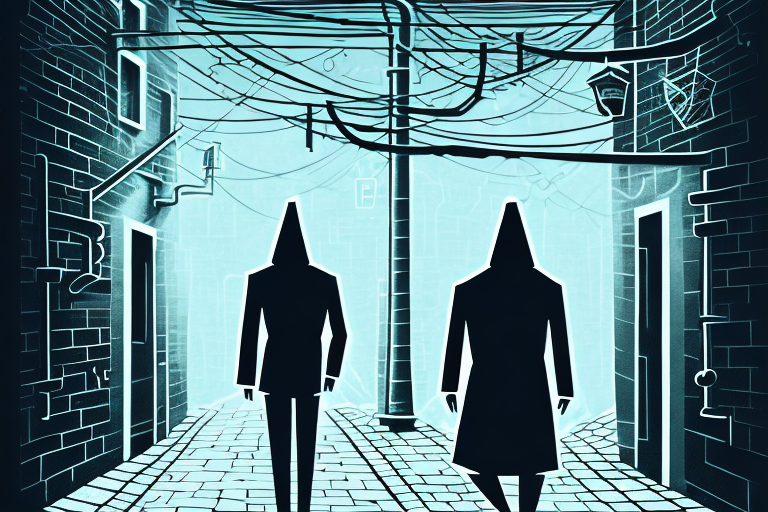
For example, a dark alleyway or an abandoned building can be used to create a sense of danger and fear. The use of weather can also add to the atmosphere, such as a stormy night or a thick fog that obscures the character’s vision. The setting can also be used to create a sense of isolation, making the character feel alone and vulnerable. By using the setting to its full potential, a writer can create a truly immersive and spine-chilling experience for the reader.
The Role of Characters in Building Suspense and Tension in a Stalking Plotline
In any novel, the characters are the heart of the story. In thriller novels featuring a stalker, the characters play an instrumental role in building suspense and tension. The protagonist is often acutely aware of the danger they are in, but other characters may be oblivious. Readers are left to wonder if and when the stalker will reveal themselves, and how the other characters will react.
One way that characters can contribute to the suspense and tension in a stalking plotline is through their actions and decisions. For example, a character may unknowingly put themselves in danger by going to a certain location or trusting the wrong person. This can create a sense of unease for the reader, who knows more about the stalker’s intentions than the character does.
Another way that characters can add to the tension is through their relationships with each other. The stalker may target someone close to the protagonist, such as a family member or friend, which can create a sense of urgency and fear for the protagonist. Additionally, the protagonist may have to navigate complex relationships with other characters who may not believe or understand the danger they are in, adding to their isolation and vulnerability.
Common Plot Twists and Devices Used in Mystery and Thriller Novels Featuring Stalkers
As with any genre, mystery and thriller novels have their own set of tried and true plot twists and devices. In novels featuring stalking, common devices include the use of red herrings, where the author leads the reader down one path, only to reveal something unexpected and surprising. Additionally, unexpected character alliances, false accusations, and misdirection are all frequently employed to keep readers on their toes.
Another common plot twist in mystery and thriller novels featuring stalkers is the revelation of a hidden motive. The stalker’s obsession with the victim may stem from a past event or a personal vendetta, which is only revealed towards the end of the novel. This adds an extra layer of complexity to the story and keeps readers guessing until the very end.
Furthermore, many authors use the unreliable narrator technique in their novels featuring stalkers. The narrator may be the stalker themselves, or someone close to the victim who is not telling the whole truth. This creates a sense of unease and uncertainty for the reader, as they are unsure of what information to trust and what is simply a fabrication.
Famous Novels that have Masterfully Incorporated Stalking as a Plot Device
There are countless novels that have used the trope of stalking effectively. Some of the most notable examples include “Misery” by Stephen King, “The Perfect Nanny” by Leila Slimani, and “You” by Caroline Kepnes. Each of these novels has its own unique take on the trope, but all have left an indelible mark on the thriller genre.
The Ethics of Using Stalking as a Literary Device: A Critical Analysis
As with any topic, the use of stalking in literature raises ethical questions. Some argue that the use of stalking as a literary device trivializes the real and scary experiences of those who have been stalked in real life. Others argue that by shining a light on the issue, authors can raise awareness and help people recognize warning signs. The debate continues, but there’s no doubt that the use of stalking in literature has made for some compelling storytelling.
How to Create a Memorable and Effective Stalker Character in Your Own Writing
For writers looking to incorporate a stalker into their own work, there are plenty of tips and strategies to consider. Crafting a memorable and effective stalker character requires careful planning and attention to detail. Developing a backstory for the character and understanding their motivations is crucial. Additionally, creating tension and suspense through the use of pacing, setting, and other devices can help to elevate the story.
Conclusion
In conclusion, the trope of stalking has been used effectively in countless mystery and thriller novels, and Lars Emmerich is among the top authors exploring this theme. Whether you’re a reader or a writer, there’s no denying the tension and compelling storytelling that can be created through the use of stalking as a plot device.