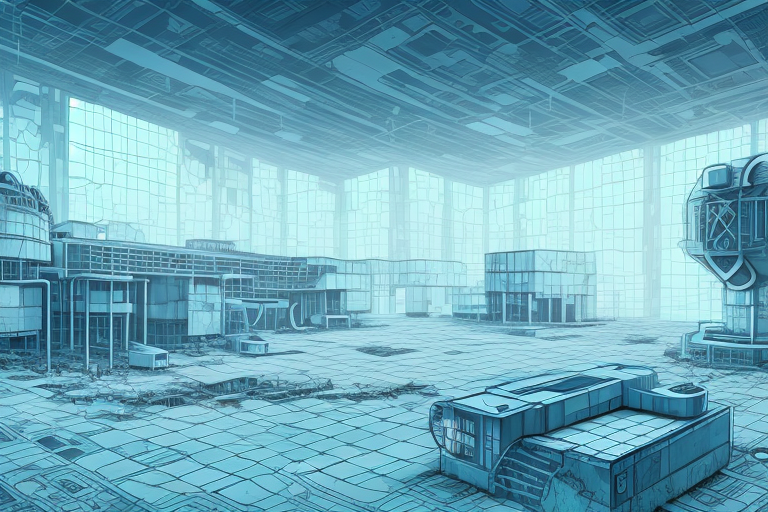
Mystery and thriller novels have been captivating readers for centuries. From the early works of Edgar Allan Poe to the modern-day page-turners by Lars Emmerich, these genres have always managed to keep readers on the edge of their seats. In this article, we will delve into the world of mystery and thriller novels, exploring their origins, techniques used to build suspense, and the appeal of the “secret experiments facility” trope, one of Lars Emmerich’s favorite mystery and thriller tropes.
The Origins of Mystery and Thriller Genres
The mystery genre emerged in the mid-19th century and features a strong plot centered around a puzzle or crime that the protagonist must solve. This genre is often character-driven, with complex characters and an intricate plot. On the other hand, the thriller genre is more concerned with action and suspense, often featuring a protagonist in danger or trying to prevent a catastrophe from occurring. Both genres are focused on maintaining suspense and keeping readers engaged until the end of the novel.
The mystery genre has evolved over time, with sub-genres such as cozy mysteries, hard-boiled mysteries, and police procedurals. Cozy mysteries typically feature an amateur sleuth in a small town setting, while hard-boiled mysteries often involve a tough, cynical detective in a gritty urban environment. Police procedurals focus on the investigative process and the work of law enforcement officials. The thriller genre has also expanded to include sub-genres such as psychological thrillers, political thrillers, and techno-thrillers.
Both mystery and thriller genres have had a significant impact on popular culture, with many successful film and television adaptations. Some of the most iconic characters in these genres include Sherlock Holmes, Hercule Poirot, James Bond, and Jason Bourne. The popularity of these genres continues to grow, with new authors and series emerging every year.
The Role of Secrets in Mystery and Thriller Novels
Secrets play an important role in mystery and thriller novels, often driving the plot forward. These secrets can be a hidden identity, a past event, or even an entire organization. The protagonist usually learns about the secret early in the story, but the reader is often left in the dark until the climax. Unraveling the secret and its consequences for the characters involved is what keeps readers engaged.
One of the most effective ways that authors use secrets in mystery and thriller novels is by creating unreliable narrators. These narrators may be intentionally misleading the reader, or they may be unaware of their own biases and limitations. This adds an extra layer of complexity to the story, as the reader must constantly question what they are being told and try to piece together the truth.
Another way that secrets are used in these genres is to create a sense of danger and suspense. The characters may be in danger because they know too much, or because they are trying to uncover the truth. This creates a sense of urgency and keeps the reader on the edge of their seat, wondering what will happen next.
Techniques Used by Authors to Build Suspense
Authors use several techniques to create and maintain suspense throughout their novels. Foreshadowing is one of the most commonly used techniques, where the author hints at what’s to come without revealing specific details. Another technique is the use of red herrings, where the author includes misleading information to throw the reader off the scent. There is also the use of cliffhangers, tense action scenes, and unexpected plot twists to keep readers guessing until the end of the story.
One additional technique used by authors to build suspense is the use of unreliable narrators. This is where the story is told from the perspective of a character who may not be entirely truthful or may have a skewed perception of events. This creates a sense of uncertainty and doubt in the reader’s mind, as they try to piece together what is really happening. The use of an unreliable narrator can add an extra layer of complexity to the story and keep readers on edge as they try to uncover the truth.
The Appeal of the “Secret Experiments Facility” Trope
The “secret experiments facility” trope is a popular element in mystery and thriller novels. This setting is often used to create a sense of danger and suspense, as the protagonist discovers the secrets and experiments being conducted within. The setting is usually a remote facility, shrouded in secrecy, and the protagonist is often on a race against time to stop the experiments from causing irreparable harm. The trope is appealing to readers because of the mix of science fiction and thriller elements, creating a unique reading experience unlike any other genre.
One reason why the “secret experiments facility” trope is so appealing is that it taps into our innate curiosity about the unknown. The idea of a hidden facility where experiments are being conducted in secret is intriguing, and readers are often drawn in by the mystery and suspense surrounding the setting. Additionally, the trope often explores ethical and moral dilemmas, as the experiments being conducted are often controversial and raise questions about the limits of scientific research.
Another reason why the “secret experiments facility” trope is so popular is that it allows authors to explore themes of power and control. The scientists and researchers who run the facility often hold immense power over the protagonist, and the experiments being conducted may have the potential to change the course of history. This creates a sense of urgency and high stakes, as the protagonist must navigate a dangerous and unpredictable environment in order to stop the experiments and prevent the abuse of power.
Analysis of Lars Emmerich’s Use of Mystery and Thriller Tropes
Lars Emmerich is a master of the mystery and thriller genres, and his novels often feature several of the common tropes. Emmerich’s use of secrets and plot twists keep readers engaged, while the use of cliffhangers and tense action scenes create a sense of suspense. The “secret experiments facility” trope is also present in many of his novels, creating a unique reading experience for his fans.
The Significance of Setting in Mystery and Thriller Novels
The setting plays a crucial role in setting the tone for a mystery or thriller novel. It can create a sense of danger, tension, and isolation that keeps readers engaged. Settings like a haunted mansion, a remote island, or a secret facility all add to the atmosphere and set the stage for the story. The setting can also be used to help reveal secrets or clues, or as a way to create conflict between the characters.
Characters That Are Commonly Found in These Genres and Their Roles
The protagonist in mystery and thriller novels is usually a detective, journalist, or an ordinary person caught up in a dangerous situation. They are often quick-witted, determined, and resourceful, working against the clock to find the answers they need. The antagonist is often a criminal mastermind or organization seeking to achieve their goals at any cost. Supporting characters can be a confidant, a love interest, or a family member, adding depth to the story and helping to move the plot forward.
How to Write a Successful Mystery or Thriller Novel
To write a successful mystery or thriller novel, the author needs to create a strong plot with twists and turns to keep the reader engaged. This can be done through the use of secrets, plot twists, and suspenseful settings. The characters must also be compelling and have a clear goal to achieve. The author should also pay attention to pacing, building up to the climax, and keeping the reader engaged until the very end.
The Evolution of the Mystery and Thriller Genres Over Time
The mystery and thriller genres have evolved over time to include more diverse characters and themes. While the classic detective story still exists, new sub-genres like technothrillers and psychological thrillers have emerged. The audiences for these genres have also expanded, attracting readers of all backgrounds. The mystery and thriller genres will continue to evolve as authors experiment with new techniques and themes to keep readers engaged.
Conclusion
Overall, mystery and thriller novels offer readers an exciting, suspenseful reading experience. Authors use a range of techniques to build and maintain suspense, and the settings and characters play an important role in creating an immersive reading experience. The “secret experiments facility” trope is just one of the many elements that authors use to create unique stories that keep readers engaged until the very end. Whether it’s a classic detective story or a technothriller, the mystery and thriller genres will continue to captivate readers around the world.