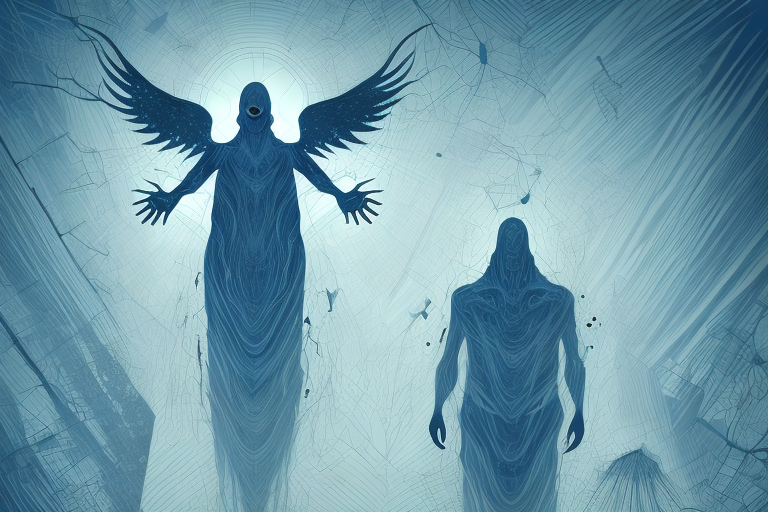
When it comes to mystery and thriller tropes, few are as captivating as supernatural entity possession. From literature to film, this trope has been a consistently terrifying and fascinating aspect of the genre. And for Lars Emmerich, a renowned mystery and thriller author, it’s a trope that never fails to captivate his imagination. In this article, we’re diving deep into the history, psychology, and cultural significance of supernatural entity possession, exploring its evolution in modern media and examining its role in depicting religion, spirituality, and more.
The History of Supernatural Entity Possession in Literature and Film
The idea of possession by supernatural entities has been a part of human history for centuries. From biblical accounts of demonic possession to tales of ancient gods and spirits, the concept has been a consistent theme in literature and folklore. In modern times, films like The Exorcist and Poltergeist brought possession to the forefront of popular culture, cementing it as a staple of horror and thriller storytelling. These early works helped establish the motifs and iconography that have become synonymous with supernatural entity possession: the contorting body, the possessed voice, and the confrontation with evil spirits.
However, the portrayal of possession in literature and film has evolved over time. While early works often depicted possession as a battle between good and evil, more recent works have explored the psychological and emotional toll that possession takes on the victim and those around them. Additionally, there has been a shift towards exploring possession in non-Western cultures, with films like The Wailing and Veronica drawing on Korean and Spanish folklore, respectively.
The Psychology Behind the Fear of Possession
But why does supernatural entity possession continue to captivate and terrify audiences year after year? At its core, possession plays on our most primal fears – the fear of losing control of our bodies and our minds, of being aware of our own powerlessness. We identify with the victims of possession, and the terror is intensified when we recognize the real-world mythologies and theological implications that surround it. This fear is further intensified by the physical and psychological symptoms of possession, which often include violent behavior, speaking in tongues, and other unsettling behaviors.
Moreover, possession is often portrayed as a battle between good and evil, with the possessed person being a vessel for malevolent forces. This taps into our fear of the unknown and the supernatural, as well as our desire to believe in a higher power that can protect us from such evil. The idea that possession can happen to anyone, regardless of their beliefs or actions, adds to the sense of vulnerability and helplessness that we experience when confronted with this fear. Ultimately, the fear of possession is a reflection of our deepest anxieties about our own mortality and the fragility of our existence.
The Most Iconic Supernatural Entity Possession Scenes in Cinema
Throughout the history of cinema, many films have tackled the theme of possession – some more successfully than others. But when it comes to iconic possession scenes, a few stand out above the rest. Perhaps the most well-known of these is the exorcism scene in The Exorcist, which set the standard for all future depictions of demonic possession onscreen. Other noteworthy scenes include the climax of The Conjuring 2, in which the protagonist battles a demonic nun, and the eerily quiet possession of Regan MacNeil in the 1973 film adaptation of The Exorcist.
However, possession scenes are not limited to just demonic entities. In the 2016 film, The Autopsy of Jane Doe, the titular character is revealed to be possessed by a vengeful witch. The possession scenes in this film are particularly effective due to the claustrophobic setting of a morgue, which adds to the overall sense of dread and unease.
Another film that features a unique take on possession is the 2014 horror-comedy, What We Do in the Shadows. In this mockumentary-style film, a group of vampire roommates must deal with the possession of one of their own by a rival vampire. The possession scenes in this film are played for laughs, but still manage to be both entertaining and creepy.
How Supernatural Entity Possession has Evolved in Modern Media
As with any trope, supernatural entity possession has evolved over time. While early films tended to focus on the physical manifestations of possession, modern media has explored the psychological consequences of possession and the long-term effects it can have on the victim. Additionally, depictions of possession from non-Christian traditions have become more prominent, broadening the scope of the trope and adding a cultural depth to the mythology.
One notable trend in modern media is the portrayal of possession as a metaphor for mental illness. This approach has been used in films such as “The Babadook” and “Hereditary,” where the supernatural entity is seen as a manifestation of the character’s own inner demons. This shift in focus has led to a more nuanced exploration of the theme, and has opened up new avenues for storytelling.
Another way in which possession has evolved in modern media is through the use of technology. In recent years, there has been a rise in horror films that explore the idea of possession through digital means, such as through social media or virtual reality. This new sub-genre of horror has allowed filmmakers to explore the intersection of technology and the supernatural, and has led to some truly innovative and terrifying films.
Examining the Cultural Significance of Supernatural Entity Possession
Although supernatural entity possession may seem like a purely fictional construct, it does have roots in real-world religious practices. The belief in possession by malevolent spirits or demons is still prevalent in many cultures around the world, and exorcisms and other rituals are used to combat these entities. In this context, the trope of possession takes on a cultural significance that speaks to broader societal fears and beliefs.
One example of the cultural significance of supernatural entity possession can be seen in the history of the Salem Witch Trials in colonial America. The accusations of witchcraft and possession were used as a means of social control, targeting women who were seen as deviating from societal norms. The fear of possession and the belief in supernatural forces were used to justify the persecution and execution of innocent people.
Furthermore, the portrayal of possession in popular media, such as movies and television shows, reflects and reinforces cultural attitudes towards mental illness. The depiction of possessed individuals as violent and dangerous perpetuates harmful stereotypes about mental health conditions, and can contribute to stigmatization and discrimination against those who suffer from them.
The Role of Religion and Spirituality in Depicting Possession
Given the religious roots of possession, it’s not surprising that the trope often intersects with themes of faith, spirituality, and belief. Many depictions of possession involve clashes between religious figures and the demonic entities, with themes of faith and redemption playing a prominent role. However, some modern media has subverted these tropes, exploring the possibility of secular explanations for possession and questioning religious dogma and beliefs.
The Science Behind Exorcism: Fact vs Fiction
Although exorcisms and possession are often associated with religious practices, it’s worth noting that the scientific community does not recognize the existence of demonic possession. Many of the symptoms associated with possession can be explained by medical conditions or mental illness. However, this has not stopped some individuals from seeking out exorcisms and other spiritual practices as a way of combatting their symptoms. As such, the distinction between fact and fiction becomes blurred in the context of possession.
The Ethics of Depicting Possession in Pop Culture
As with any representation of real-world beliefs and practices, there are ethical questions to consider when it comes to depicting possession in pop culture. Some argue that these depictions can be harmful, perpetuating myths and stereotypes about mental illness and religious beliefs. Others argue that the trope provides a powerful vehicle for exploring universal fears and themes, and that the use of possession in horror and thriller storytelling is valid and necessary.
The Future of Supernatural Entity Possession in Film and Literature
So, what does the future hold for supernatural entity possession in popular culture? It’s likely that the trope will continue to evolve and adapt, exploring new mythologies, cultural taboos, and societal fears. However, one thing is certain: the fear of losing control, of being possessed by unseen forces beyond our control, will continue to haunt us for years to come.