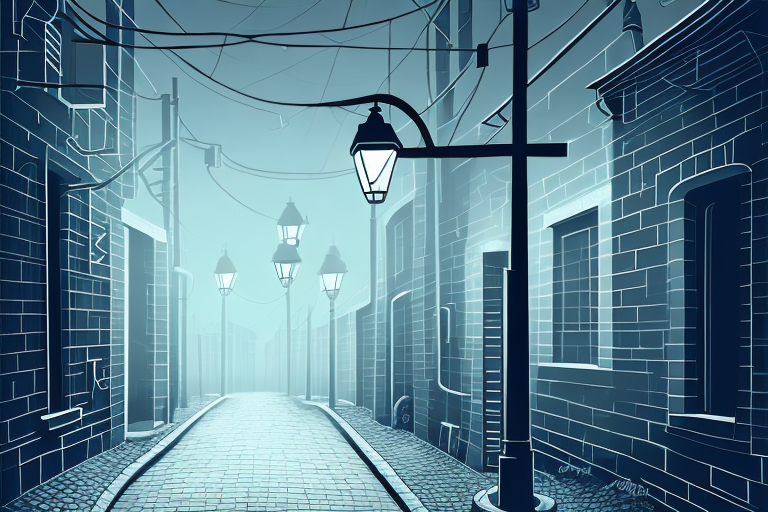
Mystery and thriller novels have always been popular among readers because of their addictive plotlines, engaging characters, and unpredictable endings. Lars Emmerich, an accomplished writer of mystery and thriller novels, is particularly interested in the theme of betrayal. In this article, we will delve into Lars Emmerich’s writing style and explore his favorite mystery and thriller tropes, including his fascination with the concept of betrayal, his use of suspense and foreshadowing, and the psychological impact of betrayal on characters in fiction.
The Role of Betrayal in Mystery and Thriller Novels
Betrayal is a common theme in mystery and thriller novels. It serves as a powerful tool to add conflict and tension to a story, forcing characters to make difficult decisions and face their fears. In Lars Emmerich’s novels, betrayal often takes the form of double-crossing, deception, and unexpected twists that keep readers on their toes. Emmerich explores the many facets of betrayal, from the emotional impact it has on betrayed characters to the complex motivations of the betrayers themselves.
Furthermore, betrayal can also be used as a plot device to create a sense of mystery and intrigue. The reader is often left wondering who the betrayer is and what their motivations are, which adds an extra layer of suspense to the story. This can be seen in many popular mystery and thriller novels, such as Gillian Flynn’s “Gone Girl” and Paula Hawkins’ “The Girl on the Train”. Betrayal can also be used to challenge the reader’s assumptions and expectations, as the betrayer may not always be who they seem to be.
Common Tropes in Mystery and Thriller Fiction
Mystery and thriller novels are often defined by their use of tropes and conventions. These can range from the classic ‘whodunit’ structure to more modern themes such as international espionage and psychological thrillers. Lars Emmerich’s works incorporate many of these tropes, but he also adds his own unique spin to them, making his novels stand out from the rest. From the use of unreliable narrators to the inclusion of clever plot twists, Emmerich’s novels are masterclasses in the art of mystery and thriller storytelling.
One of the most common tropes in mystery and thriller fiction is the use of red herrings. These are false clues or misleading information that are intentionally included to throw the reader off track and keep them guessing until the very end. Emmerich is a master of this technique, often including multiple red herrings throughout his novels to keep readers on their toes. However, he also ensures that the final reveal is satisfying and makes sense in the context of the story, leaving readers feeling both surprised and satisfied.
Psychological Impact of Betrayal on Characters in Fiction
One of the most interesting aspects of betrayal in fiction is its psychological impact on the characters involved. Lars Emmerich is particularly adept at exploring the complex emotions that come with being betrayed, from anger and sorrow to mistrust and paranoia. His characters are forced to grapple with the reality of their situation and often find themselves questioning their own judgment and motives. Emmerich’s nuanced approach to character development adds depth to his stories and keeps readers engaged from start to finish.
Furthermore, the effects of betrayal can extend beyond the immediate aftermath of the event. Characters may struggle with trust issues and difficulty forming new relationships, even years after the betrayal occurred. This can lead to a sense of isolation and loneliness, as well as a fear of vulnerability. In some cases, characters may even become obsessed with seeking revenge against their betrayer, leading to a cycle of violence and further emotional turmoil. The lasting impact of betrayal on fictional characters serves as a reminder of the power of trust and the devastating consequences of its betrayal.
Exploration of Lars Emmerich’s Writing Style and Themes
Lars Emmerich’s writing style is characterized by his careful attention to detail, his intricate plots, and his ability to create engaging and realistic characters. He is known for his use of vivid imagery and descriptive language, which immerses readers in the world he has created. Emmerich’s novels often tackle important themes such as love, loss, and redemption, while keeping readers on the edge of their seat with thrilling twists and turns.
In addition to his skillful storytelling, Emmerich’s writing also often incorporates elements of political intrigue and espionage. His novels frequently feature complex conspiracies and power struggles, drawing inspiration from real-world events and historical figures. Emmerich’s ability to weave together these intricate plotlines with his compelling characters and themes has earned him a dedicated following among fans of both thriller and literary fiction.
The Use of Suspense and Foreshadowing in Mystery and Thriller Novels
Suspense and foreshadowing are key elements in any successful mystery or thriller novel. They keep readers hooked and guessing until the very end. Lars Emmerich is a master of these techniques, using them to create tension and anticipation in his stories. His expert use of red herrings, misdirection, and cleverly placed clues keeps readers on the edge of their seat and makes his novels impossible to put down.
Another important aspect of suspense and foreshadowing is the element of surprise. When a reader thinks they have figured out the mystery, a well-placed twist can completely change their perspective and keep them engaged. Emmerich is known for his unexpected plot twists that leave readers reeling and eager to find out what happens next.
Furthermore, suspense and foreshadowing can also be used to explore deeper themes and issues within a story. By creating a sense of unease and tension, authors can delve into complex topics such as morality, justice, and human nature. Emmerich’s novels often tackle these weighty subjects, using suspense and foreshadowing to add depth and nuance to his storytelling.
The Significance of Plot Twists in the Genre
A good plot twist is the hallmark of any great mystery or thriller novel. They take readers by surprise and change everything we thought we knew about the story. Lars Emmerich is an expert at crafting plot twists that are unexpected and satisfying. His twists are never cheap or gimmicky, but instead add new layers to the story and keep readers engaged until the very last page.
Plot twists not only add excitement and intrigue to a story, but they also serve a deeper purpose. They can reveal hidden motivations of characters, expose secrets, and challenge the reader’s assumptions. A well-executed plot twist can even change the entire meaning of the story, leaving readers with a new perspective on the events that unfolded.
However, not all plot twists are created equal. A poorly executed twist can feel forced or contrived, leaving readers feeling cheated or confused. It’s important for authors to carefully plan and execute their twists, ensuring that they are both surprising and believable within the context of the story.
Lars Emmerich’s Favorite Characters to Write and Why
Lars Emmerich’s novels feature a wide range of compelling characters, each with their own unique backstory and motivations. Some of his favorite characters to write include those who are morally ambiguous or have a dark past. He enjoys exploring the complex emotions of these characters and seeing how they react to the challenges they face. Emmerich’s characters are always multi-dimensional, with flaws and strengths that make them feel like real people rather than caricatures.
The Appeal of Mystery and Thriller Fiction to Readers
Mystery and thriller fiction has always been a popular genre among readers, and for good reason. These stories offer a unique blend of excitement, tension, and intellectual stimulation. They challenge readers to solve complex puzzles and figure out what is really going on in the story. Lars Emmerich’s novels are no exception, offering readers a thrilling ride that keeps them engaged until the very end.
The Evolution of the Genre: From Classic Mysteries to Modern Thrillers
The mystery and thriller genre has evolved significantly over the years, from the classic murder mysteries of Agatha Christie to the high-tech espionage thrillers of Tom Clancy. Lars Emmerich’s novels incorporate elements of both classic and modern mystery and thriller fiction, creating a unique blend of traditional and contemporary storytelling that appeals to a wide range of readers. His works are sure to be enjoyed for years to come.