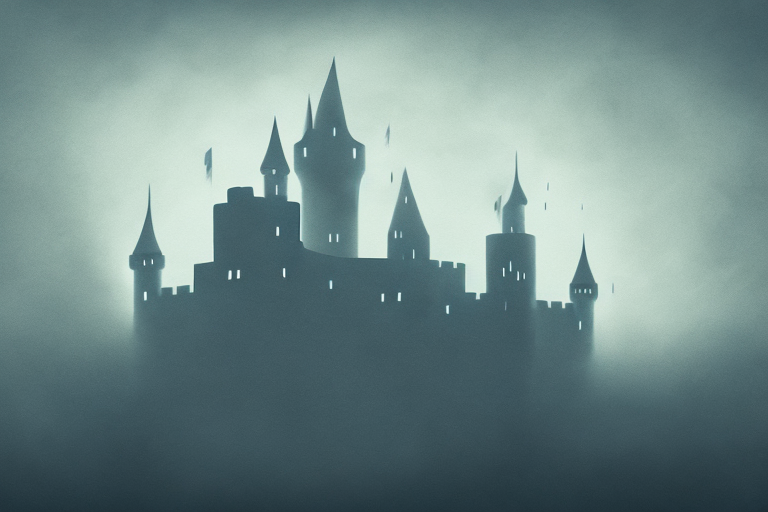
Mystery and thriller novels are some of the most gripping and captivating works of literature, often keeping readers on the edge of their seats with suspense and intrigue. One of the most common tropes utilized by authors in these genres is the concept of a haunted past, which can add depth and complexity to the story. Lars Emmerich, an avid reader and lover of mystery and thriller novels, has shared some of his favorite tropes that involve a haunted past and how they contribute to creating an immersive reading experience.
Exploring the Allure of Haunted Pasts in Mystery and Thriller Novels
What is it about a haunted past that draws readers in and keeps them invested in a story? One reason is the sense of mystery that surrounds it. A haunted past implies that there are secrets lurking beneath the surface, waiting to be uncovered. As readers, we are naturally curious beings, and the promise of hidden information can be irresistible.
Additionally, a haunted past adds a layer of complexity to the plot and characters. It implies that they have experienced events that have shaped them in profound ways, perhaps leading them to engage in behavior that would otherwise seem irrational or inexplicable. This adds depth and nuance to the characters, making them more relatable and human.
Moreover, a haunted past can also create a sense of unease and tension in the reader. The past may be linked to a present danger or threat, and the characters may be forced to confront their past in order to overcome the challenges they face in the present. This creates a sense of urgency and suspense that keeps the reader engaged and invested in the story.
The Role of Secrets and Hidden Histories in Creating Suspense
At the heart of every mystery or thriller novel is a sense of intrigue and suspense. Secrets and hidden histories play a vital role in building that tension and keeping readers engaged. Whether it’s a character’s dark past or a small town’s unsolved mystery, the mere presence of something unspoken and unknown creates a sense of unease and anticipation.
Authors often utilize red herrings and misdirection to keep readers guessing as to the true nature of the haunted past until the very end. This skillful manipulation of information is what makes mystery and thriller novels so addicting, and it all starts with the presence of secrets and hidden histories.
Furthermore, the use of secrets and hidden histories can also add depth and complexity to characters. By revealing their pasts and the secrets they keep, readers can gain a better understanding of their motivations and actions. This can create a more immersive reading experience, as readers become invested in the characters and their journeys.
However, it’s important for authors to strike a balance between revealing enough information to keep readers engaged, but not giving away too much too soon. Too many secrets or a lack of resolution can leave readers feeling unsatisfied and frustrated. Therefore, the use of secrets and hidden histories must be carefully crafted to create the perfect balance of intrigue and resolution.
From Ghosts to Traumatic Memories: The Different Types of Haunting in Literature
Haunting can come in many forms in literature, from literal ghosts to the residual effects of traumatic memories. These different types of haunting can add variety and depth to a story, creating a wider range of emotions and reactions for the reader.
For example, a ghostly presence can create a sense of fear and the supernatural in a story, while a traumatic memory can elicit sympathy and empathy from the reader as they witness a character struggling to come to terms with the past. Each of these types of haunting brings its unique set of challenges and opportunities for the author, allowing them to craft a story that is both unique and engaging.
The Psychological Impact of Haunted Pasts on Characters and Readers
One of the most significant impacts of a haunted past is the profound effect it can have on the characters and readers. Traumatic experiences can leave lasting scars, leading characters to behave in ways that might seem irrational or unpredictable. As readers, we are drawn in by the raw emotion and complexity of these characters, sympathizing with their struggles and cheering them on as they work to overcome their demons.
However, these themes can also have a psychological impact on readers outside of the story. Reading about characters struggling with trauma can be challenging, as it forces us to confront some of our own pain and loss. At the same time, it can be healing, allowing us to see that others also struggle with the past and that there is hope for healing and growth.
The Importance of Setting in Creating an Eerie Atmosphere
Setting is a vital element in any novel, but it is especially crucial when crafting a sense of eeriness and suspense. A dark and foreboding forest or a decrepit old mansion can add to the sense of danger and uncertainty, while a quiet and seemingly idyllic town can create a sense of underlying tension.
Authors often use detailed descriptions of the setting to establish a mood and build tension, immersing the reader in the story and creating a richly imagined world that feels alive and vivid. This is especially crucial when dealing with a haunted past, as the setting can help to reinforce the idea of secrets and hidden histories lurking just beneath the surface.
The Use of Unreliable Narrators to Keep Readers Guessing
One of the most effective ways to keep readers guessing is through the use of an unreliable narrator. A narrator who cannot be trusted to tell the truth can add an extra layer of tension and intrigue to a story, forcing the reader to question their assumptions and dig deeper for the truth.
Unreliable narrators can be used in many different ways, from outright lies to unreliable memories or a skewed perception of events. No matter how they are utilized, they add an additional level of complexity to the story, making it more engaging and thought-provoking.
Examining the Appeal of Unsolved Mysteries in Popular Fiction
Perhaps one of the most significant draws of mystery and thriller novels is the appeal of the unsolved mystery. Whether it’s a cold case from long ago or a more recent crime that remains unsolved, the idea of a mystery waiting to be uncovered can be incredibly compelling.
Part of the appeal of unsolved mysteries lies in the belief that there is a solution out there, waiting to be found. As readers, we feel invested in the story and want to see justice served. Additionally, a well-crafted mystery can keep readers guessing until the very end, adding an extra thrill to the reading experience.
The Evolution of Mystery and Thriller Tropes over Time
Mystery and thriller tropes have evolved over time, keeping pace with changes in society and the genre itself. From the noir classics of the 1940s and 1950s to the psychological thrillers of today, the tropes used in mystery and thriller novels have evolved to reflect changing times and reader interests.
New technologies, social movements, and cultural shifts have all played a role in shaping the mystery and thriller genre, creating new opportunities and challenges for authors to explore. This evolution has kept the genre fresh and exciting, allowing it to continue to captivate readers around the world.
Tips for Writers Looking to Incorporate Haunted Pasts into Their Own Stories
If you’re a writer looking to incorporate haunted pasts into your own stories, there are a few tips that can help. First, be sure to establish the past early on, creating a sense of intrigue and mystery. Additionally, pay attention to detail and setting, using them to reinforce the idea of secrets and hidden histories.
Consider using an unreliable narrator or red herrings to keep readers guessing as to the true nature of the haunted past. Finally, be willing to take risks and push boundaries, exploring the depths of trauma and exploring complex emotional themes that resonate with readers.
Conclusion
Haunting and haunted pasts are among the most effective tropes utilized in the mystery and thriller genre, adding depth, nuance, and emotion to the story. Whether it’s a literal ghost or a traumatic memory, the presence of a haunted past can create tension, intrigue, and suspense, keeping readers on the edge of their seats until the very end. Lars Emmerich’s favorite tropes involving a haunted past offer a fascinating glimpse into the world of mystery and thriller novels, showcasing the skillful artistry and creativity of some of the greatest authors of our time.