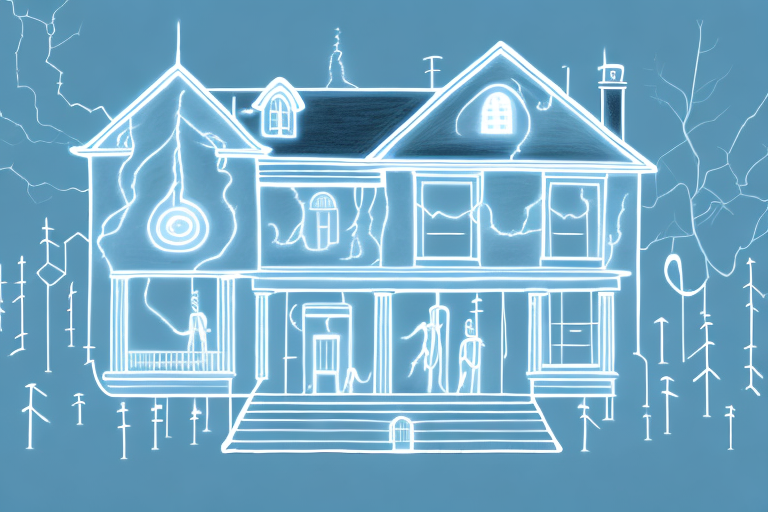
Mystery and thriller novels are known for their suspenseful plot twists that keep readers on the edge of their seats. One recurring theme that has captured the attention of many writers in this genre is the supernatural element. Authors like Lars Emmerich have explored the use of hauntings, paranormal investigations, and unexplainable occurrences to create an eerie and thrilling reading experience. In this article, we will dive deep into the appeal of supernatural elements in mystery and thriller genres, as well as Lars Emmerich’s favorite mystery and thriller tropes.
Exploring the appeal of supernatural elements in mystery and thriller genres
The use of supernatural elements in mystery and thriller novels is nothing new. From the classic works of Edgar Allan Poe to modern-day bestsellers like Stephen King, authors have always used the unexplained to create tension and suspense. But what is the appeal of this trope? Why do readers gravitate towards books with supernatural themes?
One reason is the desire to escape reality. In a world where everything can be explained with science and logic, readers are fascinated by the possibility of something beyond our understanding. The supernatural provides an escape from the mundane and predictable, and allows readers to explore new possibilities.
Another reason is the fear factor. The unknown can be terrifying, and the supernatural is the embodiment of that fear. By incorporating ghosts, demons, and other paranormal entities, authors can tap into our deepest fears and create a sense of unease and dread that keeps readers engaged.
Additionally, the use of supernatural elements can add a layer of mystique and intrigue to a story. It can create a sense of wonder and awe, as readers are introduced to a world beyond their own. This can be especially effective in mystery and thriller genres, where the unknown is a key element of the plot.
Furthermore, the use of supernatural elements can allow authors to explore deeper themes and ideas. It can be used as a metaphor for real-world issues, such as the struggle between good and evil, or the battle between science and faith. By using supernatural elements, authors can create a rich and complex narrative that goes beyond the surface level of the story.
The role of haunted houses and supernatural creatures in Lars Emmerich’s novels
Lars Emmerich is no stranger to the supernatural element in his novels. One recurring theme in his works is the haunted house. From the creepy mansion in “The Devil’s Gold” to the dilapidated asylum in “The Dead House,” Emmerich uses these eerie settings to create a sense of foreboding and danger. The houses are often characters themselves, with a dark history and a malevolent presence that haunts the protagonists.
Emmerich also incorporates supernatural creatures into his plots. In “The Bone Curse,” a curse turns a man into a werewolf, while in “The Relic Hunters,” a demon possesses the body of an archaeologist. These monsters add an extra layer of terror to the stories, and create a sense of desperation as the characters try to find a way to defeat them.
However, Emmerich’s use of haunted houses and supernatural creatures is not just for the sake of horror. These elements also serve as metaphors for the characters’ internal struggles. The haunted houses represent the characters’ haunted pasts and the demons they must face in order to move forward. The supernatural creatures symbolize the characters’ inner demons and the struggles they face in overcoming them.
The use of paranormal investigations in mystery and thriller plots
Another popular trope in mystery and thriller novels is the use of paranormal investigations. Lars Emmerich explores this theme in his book “The Haunting of Winchester Mansion.” In the novel, a team of paranormal investigators is hired to explore the haunted mansion and uncover its secrets. This adds a layer of realism to the supernatural element, as readers follow the investigators as they use scientific methods to try and explain the unexplainable.
The use of paranormal investigations not only adds credibility to the supernatural element, but also gives readers a sense of control. By using science to try and explain the supernatural, readers feel like they are part of the investigation, and can try to solve the mystery along with the protagonists.
The impact of supernatural themes on character development in Lars Emmerich’s books
The supernatural can also have an impact on character development in mystery and thriller novels. Lars Emmerich uses this theme to great effect, as his characters often have to confront their deepest fears and darkest desires.
In “The Dead House,” for example, the protagonist must confront the ghosts of her past and come to terms with the truth about her family. This journey of self-discovery adds depth and complexity to the character, and makes the reader care about her fate.
Similarly, in “The Bone Curse,” the werewolf curse adds a layer of tragedy to the protagonist’s story. He must deal not only with the physical changes wrought by the curse, but also with the psychological toll it takes on him and those around him.
The significance of eerie settings in creating suspense and tension
Eerie settings are a key tool for mystery and thriller authors, and Lars Emmerich is no exception. By using creepy and unsettling locations, he creates a sense of danger and unease that keeps readers on the edge of their seats.
In “The Devil’s Gold,” for example, the mansion where the story takes place is isolated and surrounded by forest. This creates a feeling of being cut off from civilization and adds to the tension of the story.
In “The Relic Hunters,” the action takes place in a jungle filled with danger and unknown threats. This creates a sense of urgency as the characters must navigate through treacherous terrain and avoid deadly creatures.
The mystery behind unexplainable occurrences: a recurring theme in Lars Emmerich’s works
One of Lars Emmerich’s favorite tropes is the unexplainable occurrence. These events defy rational explanation and add an air of mystery to his stories.
In “The Relic Hunters,” for example, a mysterious object has the power to kill anyone who touches it. The characters must unravel the mystery of the relic and find a way to destroy it before it falls into the wrong hands.
In “The Dead House,” a ghostly presence haunts the protagonist, and she must uncover the truth behind the haunting to put the spirit to rest.
Analyzing the incorporation of supernatural elements in police procedurals and detective stories
While the supernatural element is often found in horror and suspense novels, it can also be incorporated into police procedurals and detective stories. Lars Emmerich explores this theme in his book “The Ghost Cop,” where a police officer returns from the dead to solve his own murder.
This incorporation of the supernatural allows for a unique twist on the traditional detective story, as the protagonist must navigate both the physical and supernatural world to solve the crime.
The influence of horror on mystery and thriller writing: Lars Emmerich’s perspective
The horror genre has had a significant influence on mystery and thriller writing, and Lars Emmerich is no exception.
In an interview, Emmerich stated that he was drawn to horror for its ability to “play with a reader’s core fears and anxieties.” He also noted that horror and thriller genres share similarities, stating that “at the heart of both is the need to know what’s behind that door, or lurking in the shadows.”
Examining the relationship between paranormal phenomena and psychological thrillers
One of the most fascinating aspects of the supernatural element is its ability to explore the inner workings of the human psyche. Psychological thrillers are the perfect genre to examine this relationship, and Lars Emmerich does so in his book “The Inheritance.”
In the novel, a woman inherits a mansion from her estranged father and begins to experience strange visions. As she delves deeper into the mystery, she discovers a connection between her family and a cult of psychics.
The use of paranormal phenomena allows Emmerich to explore the themes of trauma and mental illness, and creates a sense of unease as the protagonist struggles to distinguish reality from her own perceptions.
Conclusion
Lars Emmerich’s use of supernatural elements in his mystery and thriller novels adds an extra layer of terror and excitement, and creates a unique reading experience for his audience. Whether it’s haunted houses, paranormal investigations, or unexplainable occurrences, Emmerich uses these tropes to great effect, creating stories that are both thrilling and thought-provoking. By exploring the impact of supernatural themes on character development and the significance of eerie settings, Emmerich has established himself as a master of the genre.