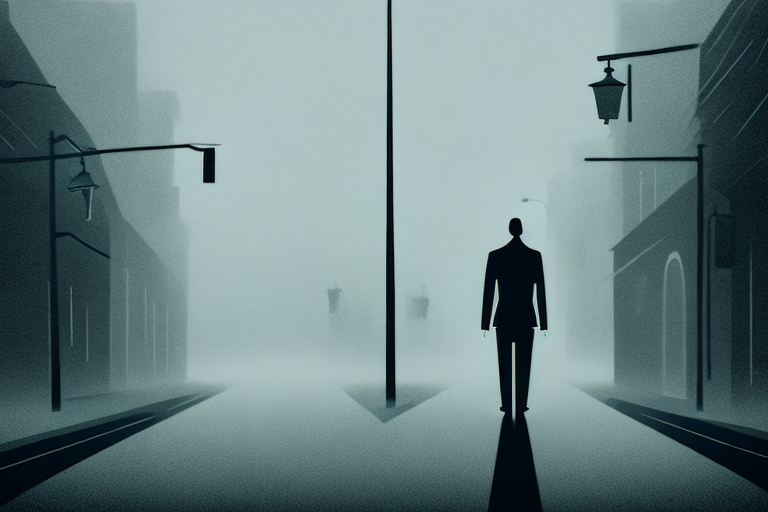
Serial abductions have always been a popular trope in the mystery and thriller genre, evoking a sense of fear and thrill in readers. It’s no surprise that Lars Emmerich, a renowned author in this genre, also finds it fascinating. This article explores the various aspects of serial abductions in mystery and thriller novels and Lars Emmerich’s favorite tropes in this genre.
Exploring the Psychology of Serial Abductions in Mystery and Thriller Novels
One of the key reasons why serial abductions are so popular in mystery and thriller novels is that they tap into the fear of the unknown. People are naturally drawn towards things that they don’t understand, and that includes the psychology of serial abductors. Lars Emmerich’s favorite thing about this trope is that it allows him to explore the darkest corners of the human mind.
Serial abductors in mystery and thriller novels are often portrayed as psychologically complex and disturbed individuals. They might have experienced trauma in their past, which has led them to prey on innocent people. They might have a twisted sense of morality, which justifies their actions in their minds. Lars Emmerich’s books, for example, often feature protagonists who are struggling to understand the motivations of the serial abductors they are pursuing.
Another reason why serial abductions are a popular theme in mystery and thriller novels is that they create a sense of suspense and tension. The reader is often left wondering who the next victim will be and whether the protagonist will be able to catch the abductor before it’s too late. This creates a thrilling reading experience that keeps the reader engaged and on the edge of their seat.
However, it’s important to note that the portrayal of serial abductors in these novels can sometimes be problematic. It’s crucial that authors don’t romanticize or glorify these individuals, as it can be harmful and insensitive to real-life victims of abduction. Instead, authors should strive to create a nuanced and realistic portrayal of the psychology behind these crimes, while also being mindful of the impact their writing may have on readers.
The Anatomy of a Page-Turning Mystery: What Makes a Good Thriller?
Serial abductions are just one element of a good mystery and thriller novel. According to Lars Emmerich, a good thriller is one that keeps the reader on the edge of their seat from beginning to end. There are several elements that contribute to this.
Firstly, a good thriller needs a well-crafted plot. The story should be intricately woven, with plenty of twists and turns to keep the reader guessing. Lars Emmerich’s books, for example, often feature complex plots that require the reader to pay close attention to details in order to figure out what’s going on.
Secondly, a good thriller needs compelling characters. The protagonist should be someone that the reader can root for, someone that they can empathize with. The antagonist should be equally well-drawn, with clear motivations and a sense of menace that keeps the reader invested in the story.
Thirdly, a good thriller needs a sense of urgency. The stakes should be high, and the consequences of failure should be dire. This creates a sense of tension that keeps the reader engaged and invested in the outcome of the story. For example, in Lars Emmerich’s novel “The Abduction”, the protagonist’s daughter is kidnapped, and the clock is ticking as he races against time to save her.
Finally, a good thriller needs a sense of atmosphere. The setting should be vividly described, with enough detail to transport the reader into the world of the story. This helps to create a sense of immersion that makes the reader feel like they are a part of the action. In “The Abduction”, for example, the dark and foreboding forests of the Pacific Northwest provide a haunting backdrop to the story.
From Red Herrings to Plot Twists: Lars Emmerich’s Favorite Narrative Devices in Mysteries
Narrative devices are an essential component of any good mystery and thriller novel. These can include things like red herrings, false leads, and plot twists. Lars Emmerich is particularly skilled at using these devices to keep his readers engaged.
Red herrings, for example, are a great way to create suspense. These are clues that initially appear to be important but ultimately lead nowhere. False leads, on the other hand, are clues that seem to be pointing in the right direction but are ultimately misleading. Plot twists, of course, are the bread and butter of mystery and thriller novels – unexpected developments that completely upend the reader’s expectations.
The Importance of Setting in Creating a Suspenseful Atmosphere in Thrillers
The setting is another important element of any good mystery and thriller novel. This can include anything from a desolate countryside to a bustling urban metropolis. According to Lars Emmerich, the setting can be used to create a specific atmosphere or mood that sets the tone for the story.
For example, a desolate countryside setting can create a sense of isolation and vulnerability in the characters. An urban setting, on the other hand, can create a sense of chaos and danger. Lars Emmerich’s books often use setting to great effect, creating a sense of atmosphere that draws the reader into the story.
The Ethics of Writing Crime Fiction: Balancing Entertainment and Sensitivity
Crime fiction is often criticized for glorifying violence or exploiting real-life tragedies. Lars Emmerich is well aware of these criticisms and takes care to balance entertainment with sensitivity in his writing.
According to Lars Emmerich, it’s important to remember that crime fiction is ultimately a form of entertainment. However, this doesn’t mean that writers can’t be sensitive to the real-life issues that their work touches on. Lars Emmerich’s books often tackle difficult subjects like mental illness and trauma with sensitivity and nuance, while still providing a thrill ride for readers.
Analyzing the Impact of Real-Life Crime on the Mystery and Thriller Genre
The mystery and thriller genre has always been influenced by real-life crime. In recent years, however, this influence has become even more pronounced. Lars Emmerich believes that this is because real-life crime provides a sense of immediacy and relevance that can be difficult to replicate in fiction.
Real-life crimes like the Ted Bundy murders or the Golden State Killer case have inspired countless books, movies, and TV shows. Lars Emmerich’s books often take inspiration from real-life crimes, using them as a jumping-off point for his own stories.
How Technology is Changing the Way We Write and Read Mysteries and Thrillers
Technology has had a major impact on the mystery and thriller genre in recent years. According to Lars Emmerich, advances in technology have made it easier for writers to research and write about complex crimes and investigation techniques. This has led to a proliferation of high-tech crime novels in recent years.
Technology has also changed the way that readers consume mystery and thriller novels. E-books and audiobooks have made it easier than ever to access these books, while social media has allowed readers to connect with writers and other fans in new and exciting ways.
Building Complex Characters in the Mystery and Thriller Genre: Insights from Lars Emmerich
One of the biggest challenges facing mystery and thriller writers is building complex, three-dimensional characters. According to Lars Emmerich, this is essential if you want your readers to be invested in the story.
Characters in mystery and thriller novels should have clear motivations, flaws, and strengths. They should be relatable and sympathetic, even if they are doing terrible things. Lars Emmerich’s books often feature complex characters who are struggling with their own demons while trying to solve a crime.
Crafting a Memorable Villain: Techniques Used by Top Mystery and Thriller Writers
Finally, a good mystery and thriller novel needs a memorable villain. According to Lars Emmerich, a great villain is someone who is just as compelling as the hero. They should have clear motivations for their actions, even if those actions are abhorrent.
According to Lars Emmerich, one of the key techniques for crafting a memorable villain is to make them relatable in some way. They should have strengths and weaknesses just like any other character, and they should be motivated by things that the reader can understand, even if they don’t agree with them. Lars Emmerich’s books often feature villains who are complex and fascinating in their own right, making them just as interesting as the heroes.
Conclusion
Serial abductions are just one element of the mystery and thriller genre, but they are an important one. Lars Emmerich’s fascination with these stories is just one example of the enduring appeal of this trope. Ultimately, a good mystery and thriller novel needs to be well-crafted, with a compelling plot, complex characters, and a memorable villain. By using narrative devices, creating a specific atmosphere through setting, and balancing entertainment with sensitivity, writers like Lars Emmerich are able to engage readers and keep them coming back for more.