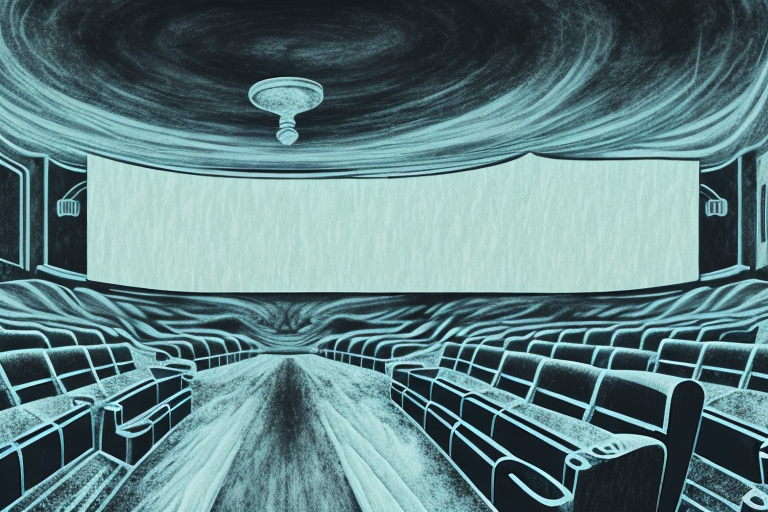
As a renowned author of mystery and thriller novels, Lars Emmerich has an unparalleled grasp of the genre’s tropes and techniques. His signature literature, filled with suspense, tension, and unforgettable twists, has won him thousands of fans around the world. However, what sets Emmerich apart from his peers is his fascination with haunted theaters. In this article, we’ll explore the mystery and thriller tropes that are essential to Emmerich’s craft, and how his love for haunted theaters plays a crucial role in crafting his masterpieces.
Exploring the Appeal of Mystery and Thriller Tropes
Why do mystery and thriller novels never lose their popular appeal? Emmerich believes that one of the genre’s most potent motivations for readers is its promise of escapism. A good mystery or thriller takes us on a rollercoaster ride of emotions, making us forget our daily lives’ monotony and offering an exciting distraction for the imagination. For Emmerich, mystery and thriller tropes such as suspense, red herrings, plot twists, and cliffhangers are all essential building blocks in crafting engrossing page-turners that keep readers hooked.
Moreover, mystery and thriller novels often provide a sense of intellectual stimulation for readers. The puzzles and mysteries presented in these books challenge readers to think critically and try to solve the mystery alongside the protagonist. This engagement with the story can be incredibly satisfying, especially when the reader is able to solve the mystery before the big reveal. Additionally, mystery and thriller novels often explore complex themes such as morality, justice, and human nature, providing readers with a thought-provoking reading experience.
The Importance of Setting: Why Lars Emmerich Loves Haunted Theaters
If you’re familiar with Lars Emmerich’s work, you’ll know that his love for haunted theaters runs deep. For him, a setting can be as much of a character as any living, breathing human. Haunted theaters offer the perfect backdrop for a mystery or thriller—they’re eerie, atmospheric, and filled to the brim with secrets. Emmerich’s fascination with these places is abundantly clear in his vivid, detailed descriptions, immersive environments, and hair-raising scares that make his novels stand out.
Emmerich’s love for haunted theaters is not just limited to his writing. He has been known to visit these places in person, often seeking out the most obscure and forgotten theaters in the country. He believes that these places have a certain energy that cannot be replicated anywhere else. In fact, he has even used his experiences in these theaters as inspiration for his writing, incorporating real-life stories and legends into his novels. For Emmerich, haunted theaters are not just a setting—they’re a source of inspiration and a way to connect with the past.
The Role of Suspense in Mystery and Thriller Novels
Suspense is a critical element of any successful mystery or thriller novel. It’s what keeps readers on edge, constantly guessing what will happen next. Emmerich’s approach to suspense revolves around keeping readers in the dark until the very end. He’s a master of carefully revealing just enough information to pique readers’ interest while withholding crucial details until the story’s most critical moments to maximize their impact. His use of pacing, cliffhangers, and unexpected plot developments all contribute to a slow-burning tension that builds until the novel’s explosive conclusion.
Another important aspect of suspense in mystery and thriller novels is the use of red herrings. These are false clues or misleading information that are intentionally included to throw readers off track and keep them guessing. Emmerich is skilled at incorporating red herrings in his novels, making it difficult for readers to predict the outcome of the story.
Furthermore, the setting of a mystery or thriller novel can also contribute to the suspense. Emmerich often sets his novels in isolated or claustrophobic locations, such as a remote cabin or a small town, which adds to the sense of danger and unease. The weather and time of day can also be used to create a foreboding atmosphere, with storms and darkness heightening the tension.
A Look at the Different Types of Thriller Tropes
There are several different types of thriller tropes that Lars Emmerich employs in his novels. The first and most popular is the whodunnit trope. This type of mystery revolves around figuring out who the perpetrator of a crime is, often through a series of clues and deductive reasoning. Another popular trope is the caper, which focuses on a group of criminals plotting a heist or other high-risk crime. Finally, the political thriller trope deals with nefarious plots and schemes in government or organizations, often involving international intrigue and lots of spy games.
One lesser-known but equally intriguing thriller trope is the psychological thriller. This type of story focuses on the mental and emotional states of the characters, often blurring the lines between reality and imagination. The protagonist may be struggling with their own sanity, or they may be dealing with a manipulative and dangerous antagonist who is playing mind games with them. The psychological thriller trope can be both thrilling and unsettling, as it delves into the darker corners of the human psyche.
From Red Herrings to Plot Twists: Analyzing Lars Emmerich’s Favorite Mysteries
One of the hallmarks of Lars Emmerich’s novels is the level of detail he puts into crafting compelling mysteries. His stories are packed with red herrings, false leads, and shocking plot twists that keep readers guessing until the very end. Emmerich’s approach to creating a mystery involves meticulously plotting out each clue and piece of evidence, layering them in such a way that a well-read reader might be able to catch on while keeping the reveal from being too obvious. His use of misdirection and subversion of expectations is a testament to his mastery of the genre.
How to Create a Compelling Protagonist in a Mystery Novel
One aspect of crafting a good mystery or thriller novel is the creation of a compelling protagonist that readers can root for. For Emmerich, this involves creating a well-rounded character with strengths, weaknesses, and relatable flaws. He often gives his protagonists unconventional or tragic backstories that add depth and interest to their personalities. Emmerich’s protagonists are also often incredibly smart, using their intellect and resourcefulness to overcome obstacles and solve crimes.
The Art of Building Tension: Tips from Lars Emmerich’s Writing Process
Tension is the lifeblood of any good mystery or thriller. As we mentioned earlier, Emmerich’s approach to building tension involves slowly ratcheting up the suspense over time. He creates a sense of unease and foreboding through his use of mood and atmosphere, slowly building towards a climax that unleashes all the built-up tension. Emmerich’s advice for writers looking to create a similar sense of tension is to focus on pacing, dialogue, and detail. Each detail must add to the story’s overall atmosphere, while dialogue should be used to reveal important plot points and build on character relationships.
The Power of Atmosphere in a Thriller: Lessons Learned from Haunted Theaters
As we mentioned earlier, Emmerich’s love for haunted theaters plays a significant role in his writing process. Haunted theaters are perfect for creating a sense of atmosphere and drama that can elevate a story from merely decent to truly great. For Emmerich, the key to creating a great atmosphere is to use all five senses. He describes the smells, sounds, and tactile sensations of a scene in intricate detail, immersing readers in the environment and allowing them to feel like they’re right there alongside the characters.
Crafting a Memorable Villain: Techniques Used by Lars Emmerich in His Novels
No mystery or thriller novel is complete without a memorable antagonist. For Emmerich, creating a great villain means going beyond mere mustache-twirling or cackling. He believes that a good villain must have inner motivations and goals that are as well-developed as the hero’s. Instead of creating villains that are wholly evil, Emmerich aims to create characters who genuinely believe that what they’re doing is necessary or justified. This adds an extra layer of complexity to the story and helps readers understand why the villain is doing what they’re doing.
Conclusion
As we’ve seen, Lars Emmerich’s love for haunted theaters is just one aspect of his deep understanding and appreciation of mystery and thriller tropes. His use of suspense, misdirection, and atmosphere all contribute to a unique writing style that has captured the hearts of readers around the world. By taking a closer look at Emmerich’s writing process and techniques, we can learn a lot about what makes a great mystery or thriller novel, and how to craft stories that keep readers on the edge of their seats until the very end.