When it comes to mystery and thriller writing, there are certain tropes and elements that are always present. Lars Emmerich, a bestselling author in the genre, is no stranger to these themes. In fact, they’ve become some of his favorites over the years. In this article, we’ll explore the appeal of mystery and thriller writing, why haunted houses continue to be a popular literary device, the rise of psychological thrillers, how supernatural elements play a role in storytelling, and much more.
Exploring the appeal of mystery and thriller writing
People love the suspense and tension that comes with these genres. Whether it’s murder mysteries or pulse-pounding thrillers, readers are constantly kept on their toes, trying to guess what will happen next. There’s also a certain satisfaction in figuring out the twist ending or whodunit before the characters do, which makes the reading experience even more immersive.
Furthermore, mystery and thriller writing often explores the darker aspects of human nature, such as greed, jealousy, and revenge. These themes can be both fascinating and unsettling, as they force readers to confront the darker side of humanity. Additionally, the complex characters and intricate plots found in these genres can provide a welcome escape from everyday life, allowing readers to immerse themselves in a thrilling and unpredictable world.
The enduring popularity of haunted houses in literature
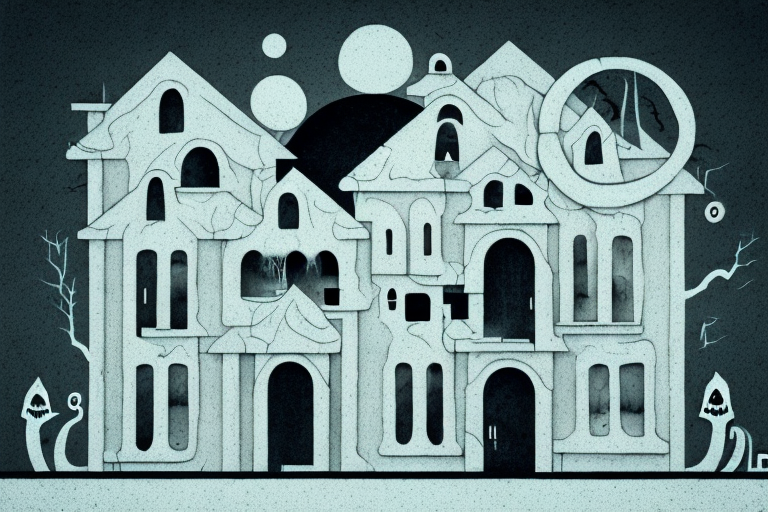
Haunted houses have been a staple in literature for centuries, offering authors a chance to create an eerie atmosphere and add an element of the supernatural to their stories. There’s something about the creaky floorboards, flickering lights, and inexplicable sounds that captivates readers. Emmerich himself has used haunted houses in several of his novels, including his debut novel, The Dollhouse Murders.
Despite the fact that haunted houses have been a common theme in literature for so long, they continue to captivate readers of all ages. In fact, the popularity of haunted house stories has only increased in recent years, with numerous best-selling novels and blockbuster movies featuring spooky mansions and ghostly apparitions. Perhaps it’s the thrill of being scared, or the allure of the unknown, but one thing is certain – haunted houses will continue to be a beloved and enduring trope in literature for years to come.
The rise of psychological thrillers in contemporary fiction
Gone are the days of straightforward crime dramas; readers now crave complex narratives that delve into the psyche of the characters. Psychological thrillers have become increasingly popular in recent years, with authors exploring the darker aspects of the human mind. Emmerich is no stranger to this genre either, having written several novels that tackle psychological themes head-on.
One reason for the rise of psychological thrillers is the growing interest in mental health and the human condition. Readers are drawn to stories that explore the complexities of the mind and the impact of trauma on individuals. This genre allows authors to delve into the psychological effects of crime and violence, creating a more nuanced and realistic portrayal of the human experience.
Another factor contributing to the popularity of psychological thrillers is the success of film and television adaptations. Many popular books in this genre have been adapted into successful movies and TV shows, such as “Gone Girl” and “The Girl on the Train”. This has brought more attention to the genre and introduced it to a wider audience, leading to increased demand for similar books.
The role of supernatural elements in mystery and thriller storytelling
Supernatural elements can add an extra layer of intrigue to a mystery or thriller story. Whether it’s ghosts, witches, or demons, these fantastical elements can create a sense of unease and heighten the tension. However, it’s important for authors to use these elements in a way that feels believable and doesn’t take away from the overarching narrative.
One way to incorporate supernatural elements in a mystery or thriller story is to use them as a metaphor for the characters’ inner struggles. For example, a character haunted by a ghost could represent their guilt or past mistakes. This not only adds depth to the story but also makes the supernatural elements feel more grounded in reality.
Another approach is to use supernatural elements to subvert expectations and keep the audience guessing. A seemingly supernatural occurrence could turn out to have a logical explanation, or vice versa. This can create a sense of uncertainty and keep the audience engaged in the story.
The impact of horror movies on mystery and thriller writing
Horror movies have always been a source of inspiration for mystery and thriller writers. From the jump scares to the ominous music, there are certain techniques used in horror films that can be translated into novels. The use of suspense and creating a sense of dread are just some of the techniques that Emmerich has adapted from horror movies.
Another technique that horror movies have influenced in mystery and thriller writing is the use of unreliable narrators. Horror movies often use characters that are not trustworthy or have a skewed perception of reality, which creates a sense of uncertainty and confusion for the audience. This technique has been used in mystery and thriller novels to keep readers guessing and questioning the motives of the characters.
Furthermore, horror movies have also inspired the use of supernatural elements in mystery and thriller writing. The inclusion of ghosts, demons, and other supernatural beings can add an extra layer of fear and intrigue to a story. This technique has been used in popular mystery and thriller novels such as Stephen King’s “The Shining” and Gillian Flynn’s “Sharp Objects.”
Character archetypes in mystery and thriller fiction
There are certain key archetypes that show up in almost every mystery and thriller novel. The determined detective, the femme fatale, and the shadowy villain are just a few examples. Emmerich knows how to utilize these archetypes in creative ways that keep readers guessing.
Another common archetype in mystery and thriller fiction is the sidekick. This character often serves as a sounding board for the detective, providing a different perspective and helping to move the plot forward. The sidekick can also be used to add humor or provide a contrast to the more serious detective character.
Additionally, the victim is an important archetype in these genres. While they may not be a main character, their presence is often felt throughout the story. The victim can be used to create sympathy for the detective or to provide clues that help solve the mystery. In some cases, the victim may even be revealed to have a connection to the villain, adding another layer of complexity to the plot.
The use of red herrings and plot twists in keeping readers engaged
Red herrings and plot twists are essential in maintaining the tension in a mystery or thriller story. Emmerich has mastered the art of planting false clues and unexpected twists that leave readers reeling.
However, it is important to use red herrings and plot twists strategically. Overuse can lead to confusion and frustration for readers. Emmerich carefully balances the use of these techniques to keep readers engaged without overwhelming them. Additionally, red herrings and plot twists can also serve as a way to develop characters and add depth to the story. By using these techniques effectively, Emmerich creates a thrilling and satisfying reading experience for audiences.
Crafting a believable villain: Tips from the masters
The villain is often what makes or breaks a mystery or thriller story. A great villain can keep readers engaged until the very end, while a lackluster one can drag the story down. Emmerich knows how to craft a believable villain, one that readers will remember long after the book is finished.
Pushing boundaries: How modern writers are redefining the genre
Mystery and thriller writing has come a long way since its inception. Modern writers are constantly pushing the boundaries of what the genre can be, experimenting with different themes and narrative structures. Emmerich is no exception, and his novels reflect the changing landscape and expectations of readers.
In conclusion, mystery and thriller writing has remained a popular genre for centuries. Lars Emmerich’s favorite tropes and themes have helped him become a bestselling author and have resonated with readers worldwide. From haunted houses to complex psychological thrillers, there is no shortage of elements that keep readers hooked and coming back for more.