The mystery and thriller genres have always been popular among readers, and for good reason. These genres offer an intriguing mix of suspense, tension, plot twists, and complex characters. It’s no wonder that Lars Emmerich, a well-known author in the mystery and thriller genres, has gained numerous fans who eagerly await each new release. In this article, we will explore some of the elements that make mystery and thriller novels so captivating, with a particular focus on Lars Emmerich’s favorite tropes.
Exploring the Appeal of Mystery and Thriller Genres
One of the main reasons why mystery and thriller genres remain so popular is that they offer readers a unique opportunity to exercise their imagination and analytical abilities. Readers are presented with complex plots and are encouraged to engage with the story’s characters, events, and settings. This engagement creates a sense of anticipation and excitement that is hard to replicate in other genres.
Another reason why mystery and thriller genres are so appealing is that they often deal with themes and issues that are relevant to contemporary society. These themes can include political corruption, social injustice, and the consequences of technological advancements. By exploring these issues through the lens of a thrilling story, readers are able to gain a deeper understanding of the world around them.
Finally, mystery and thriller genres are often praised for their ability to keep readers on the edge of their seats. The tension and suspense that are built up throughout the story can be incredibly gripping, and readers are often left guessing until the very end. This sense of uncertainty and unpredictability is a major draw for many readers, and it is what keeps them coming back for more.
The Role of Tropes in Creating Suspense and Intrigue
Tropes, or recurring themes and motifs, are an essential element of the mystery and thriller genres. They help create familiarity and expectations for readers, while also allowing authors to subvert those expectations and keep readers guessing. Common tropes in mystery and thriller novels include red herrings, plot twists, and the use of foreshadowing. These tropes help create suspense and intrigue, keeping readers hooked and engaged.
Another important trope in creating suspense and intrigue is the use of unreliable narrators. This technique involves a narrator who may not be entirely truthful or may have a skewed perception of events, leading readers to question the accuracy of the story. This can add an extra layer of mystery and uncertainty to the plot, keeping readers on edge as they try to piece together what is really happening.
In addition to these literary devices, the setting of a mystery or thriller novel can also play a crucial role in creating suspense. A dark and foreboding atmosphere, such as a creepy old mansion or a deserted alleyway, can heighten the tension and make readers feel uneasy. Similarly, a fast-paced urban setting can create a sense of urgency and danger, adding to the excitement of the story.
Understanding the Haunted Mine Setting in Mystery and Thriller Fiction
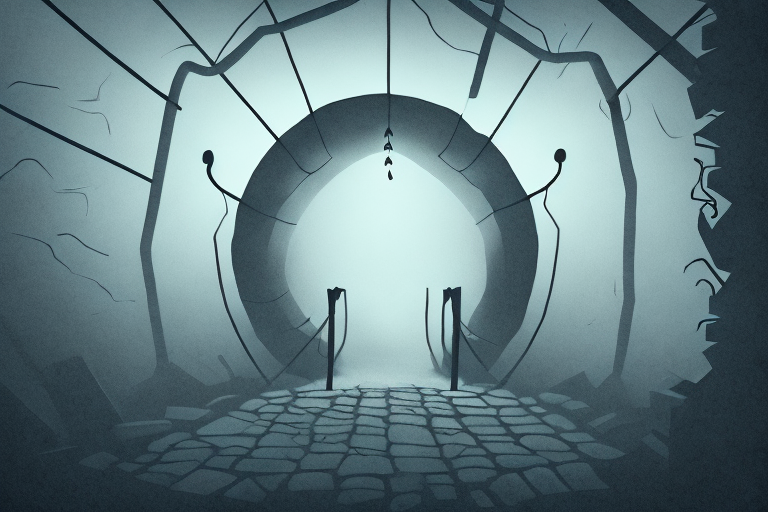
One of Lars Emmerich’s favorite tropes is the use of the haunted mine setting. This type of setting is prevalent in many mystery and thriller novels and serves to create a sense of unease and danger. Typically, these settings are isolated, dark, and claustrophobic, which adds to the feeling of tension and suspense. The haunted mine is a perfect setting for mysteries or thrillers as it allows for a sense of confinement and danger, which can lead to some truly thrilling moments.
Moreover, the haunted mine setting also provides a unique opportunity for authors to incorporate historical elements into their stories. Many mines have a rich history, and the use of this setting allows authors to explore the past and weave it into their narratives. Additionally, the mine can serve as a metaphor for the characters’ descent into darkness or their journey towards uncovering the truth. Overall, the haunted mine setting is a versatile and effective tool for mystery and thriller writers to create a sense of danger, tension, and history in their stories.
Common Tropes in Mystery and Thriller Novels, including Red Herrings and Plot Twists
Red herrings and plot twists are also commonly used in mystery and thriller novels. A red herring is a false clue or misleading piece of information that sends readers down the wrong path. Plot twists, on the other hand, are unexpected and often shocking turns of events that can change the entire direction of the story. These tropes keep readers engaged and guessing, adding to the sense of suspense and intrigue.
Another common trope in mystery and thriller novels is the unreliable narrator. This is a character who tells the story, but their credibility is questionable due to their mental state, bias, or personal motivations. The reader is left to question the truthfulness of the narrator’s account, adding another layer of mystery and uncertainty to the story. The unreliable narrator can also be used to create a sense of unease or tension, as the reader is unsure of what to believe.
Psychological Tropes Used to Create Complex Characters
Another important aspect of the mystery and thriller genres is the use of psychological tropes to create complex characters. Characters in these genres are often haunted by traumatic events from their past or are struggling with various personal demons. These inner struggles provide depth and complexity to the characters and add to the overall sense of tension and suspense.
One common psychological trope used in these genres is the unreliable narrator. This is a character who may be lying or withholding information from the reader, creating a sense of uncertainty and mistrust. Another trope is the use of flashbacks to reveal important information about a character’s past, which can help explain their motivations and actions in the present. These tropes, along with others, are used to create characters that are not only interesting and complex, but also keep the reader guessing until the very end.
The Use of Foreshadowing in Building Tension and Anticipation
Foreshadowing is another important trope in the mystery and thriller genres. Foreshadowing is the use of subtle hints and clues that suggest future events in the story. It creates a sense of anticipation and tension as readers try to piece together what will happen next. Foreshadowing can also be used to mislead readers and create unexpected plot twists and reveals.
The Importance of Strong Protagonists and Antagonists in Mystery and Thriller Novels
Strong protagonists and well-developed antagonists are crucial to any mystery or thriller novel. A strong protagonist serves as a point of identification for readers and helps guide them through the story. An antagonist, on the other hand, provides a source of conflict and danger that propels the plot forward. In Lars Emmerich’s writing, protagonists and antagonists are often complex and multi-dimensional, with their own motivations and struggles that create a sense of realistic tension and drama.
Examining Lars Emmerich’s Favorite Mystery and Thriller Tropes
Lars Emmerich’s writing is full of the tropes that make mystery and thriller novels so captivating. From the use of the haunted mine setting to the complex characters driven by psychological demons, Emmerich’s writing provides a thrilling and engrossing experience for readers who love the mystery and thriller genres.
Analyzing the Themes of Fear, Crime, and Justice in Lars Emmerich’s Writing
Beyond the tropes and elements of the mystery and thriller genres, Lars Emmerich’s writing also explores important themes of fear, crime, and justice. These themes are often intertwined, with fear driving criminal behavior and justice seeking to alleviate that fear by punishing those responsible for crime. Emmerich’s work provides a commentary on the complex moral and ethical issues surrounding crime and justice, creating stories that are both entertaining and thought-provoking.
Conclusion
In conclusion, the mystery and thriller genres remain popular for good reason. The elements of suspense, tension, and complex characters are all key to creating engrossing and entertaining stories. Lars Emmerich’s writing exemplifies these elements, with his own favorite tropes adding to the excitement and intrigue. Emmerich’s writing also explores important themes of fear, crime, and justice, adding depth and substance to the overall experience. For fans of the mystery and thriller genres, Lars Emmerich’s writing is a must-read.