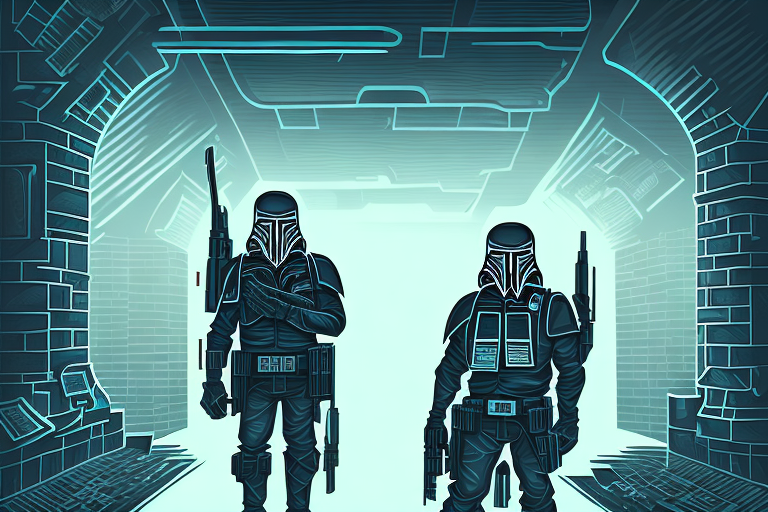
Lars Emmerich is a well-known author in the mystery and thriller genre, and his works have gained popularity for their unique storylines that keep readers intrigued and engaged. In this article, we will explore some of Lars Emmerich’s favorite mystery and thriller tropes, and how he uses them to create compelling and unforgettable stories.
The Role of Betrayal in Mystery and Thriller Novels
One of the most common themes in Lars Emmerich’s novels is betrayal. Whether it is a character betraying their friends, family, or allies, or the protagonist being betrayed themselves, betrayal adds an element of surprise and unpredictability to the story. Betrayal can also be used as a motive for murder or other crimes, adding a layer of complexity to the plot. In Lars Emmerich’s works, betrayal is often used to create suspense and keep readers on the edge of their seats until the very end.
Furthermore, betrayal can also be used to explore the darker side of human nature. It can reveal the lengths that people are willing to go to in order to achieve their goals, even if it means hurting those closest to them. Betrayal can also highlight the fragility of trust and the devastating consequences that can result from broken promises. In Lars Emmerich’s novels, betrayal is not just a plot device, but a tool for examining the complexities of human relationships and the consequences of our actions.
How Bounty Hunting Adds a New Element to Mystery and Thriller Stories
Lars Emmerich’s characters often have unique professions that add an interesting twist to the typical mystery and thriller formula. One such profession is bounty hunting. In Emmerich’s novels, bounty hunters are often portrayed as outsiders who are not bound by the same rules and regulations as law enforcement officials. This gives the protagonist a certain level of freedom and independence that can lead to unexpected plot twists and turns. Additionally, bounty hunting can also lead to conflicts with other characters, such as the criminals that the protagonist is hunting down.
Another interesting aspect of bounty hunting in mystery and thriller stories is the use of technology. In modern times, bounty hunters have access to a variety of tools and gadgets that can aid them in their work. This can include GPS tracking devices, surveillance equipment, and even drones. Incorporating these technologies into the story can add a futuristic and high-tech element to the plot.
Furthermore, bounty hunting can also provide a unique perspective on the criminal justice system. As bounty hunters are not bound by the same rules and regulations as law enforcement officials, they may have a different approach to catching criminals. This can lead to ethical dilemmas and moral gray areas that add depth and complexity to the story. It also allows for exploration of themes such as justice, revenge, and redemption.
The Importance of Strong Protagonists in the Mystery and Thriller Genre
Strong protagonists are a staple of the mystery and thriller genre, and Lars Emmerich’s works are no exception. A strong protagonist is someone who is not only physically capable but also has a distinct personality, backstory, and motivation. They should be relatable to readers and able to carry the story forward. Lars Emmerich’s protagonists often have complex personalities and motivations, which makes them interesting and compelling to follow throughout the story.
Furthermore, a strong protagonist can also serve as a moral compass for the reader. In the mystery and thriller genre, where the line between right and wrong can often be blurred, a protagonist with a strong sense of justice and morality can help guide the reader through the story. This is especially important in Lars Emmerich’s works, where the protagonists often find themselves in morally ambiguous situations. By having a strong and relatable protagonist, readers can better understand and navigate the complex ethical dilemmas presented in the story.
The Use of Tropes in Creating Suspense and Intrigue in Novels
Tropes are a common storytelling device used in many genres, and the mystery and thriller genre is no exception. Tropes can create familiarity and a sense of predictability in readers, but they can also be used to create suspense and intrigue. In Lars Emmerich’s works, common mystery and thriller tropes such as the unreliable narrator, red herrings, and plot twists are used to keep readers guessing and engaged in the story.
However, the use of tropes in creating suspense and intrigue is not limited to the mystery and thriller genre. In fact, many other genres such as romance, science fiction, and fantasy also use tropes to create a sense of anticipation and excitement in readers. For example, the “chosen one” trope is often used in fantasy novels to create a sense of destiny and purpose for the protagonist, while the “forbidden love” trope is commonly used in romance novels to create tension and conflict between the main characters.
The Role of Plot Twists in Keeping Readers Engaged in Mystery and Thriller Stories
Plot twists are a powerful tool used in mystery and thriller novels to keep readers engaged and interested. In Lars Emmerich’s works, plot twists are often used to subvert the reader’s expectations and keep the story fresh and exciting. Plot twists can also be used to reveal new information about characters or events that the reader was not aware of before, leading to a greater understanding and appreciation of the story.
Another important role of plot twists in mystery and thriller stories is to create tension and suspense. When a plot twist is introduced, it can completely change the direction of the story and leave the reader wondering what will happen next. This uncertainty and unpredictability can keep readers on the edge of their seats, eagerly turning the pages to find out what happens next.
However, it’s important for authors to use plot twists in a way that doesn’t feel forced or contrived. If a plot twist is too predictable or doesn’t make sense within the context of the story, it can actually have the opposite effect and turn readers off. A well-executed plot twist should feel organic and natural, while still being surprising and impactful.
The Art of Crafting a Compelling Mystery: Tips from Lars Emmerich
Lars Emmerich is a master of crafting compelling mysteries, and he has shared some tips on how to do so effectively. One key tip is to start with a strong hook that grabs the reader’s attention early on in the story. Another tip is to create complex characters with distinct personalities and motivations. Additionally, Emmerich recommends keeping the story moving forward with well-timed plot twists and surprises, while also letting the reader come to their own conclusions about the mystery.
How Lars Emmerich Blends Different Genres to Create Unique Storylines
Lars Emmerich’s works often blend different genres to create unique and unforgettable storylines. It is not uncommon to see elements of science fiction, horror, or romance in his mystery and thriller novels. By blending different genres, Emmerich is able to create a story that is both familiar and new, adding an extra layer of interest to the plot.
The Role of Setting and Atmosphere in Creating an Engaging Mystery Novel
The setting and atmosphere are essential elements of any story, but they are particularly important in mystery and thriller novels. Lars Emmerich often sets his stories in unique and atmospheric locations, such as abandoned houses or small towns. This helps to create a sense of tension and unease in the reader, making the story more engaging. Additionally, the atmosphere can be used to reflect the mood and emotions of the characters, which adds depth and complexity to the story.
The Significance of Dialogue in Developing Characters and Plot in Mystery and Thriller Books
Dialogue is an essential tool for developing characters and advancing the plot in mystery and thriller novels. Lars Emmerich’s works feature strong and well-crafted dialogue that is used to reveal important information about the characters and their motivations. Additionally, dialogue can be used to create tension and conflict between characters, which adds to the overall suspense and intrigue of the story.
Overall, Lars Emmerich’s favorite mystery and thriller tropes are what make his works so captivating and unique. From the use of betrayal to the importance of strong protagonists, these tropes are used to create unforgettable stories that keep readers engaged from beginning to end.