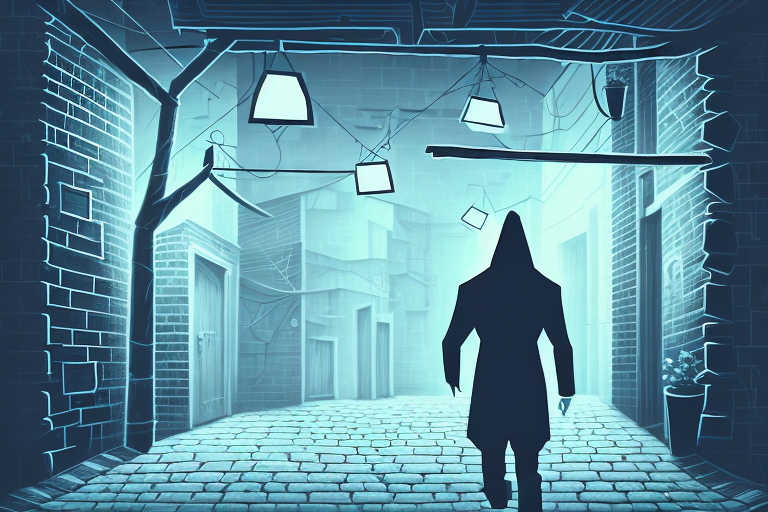
Lars Emmerich is a renowned author whose love for mystery and thriller genres is evident in his works. His writing style is characterized by gripping plots, interesting characters, and unexpected twists that keep readers intrigued. In this article, we will explore Lars Emmerich’s favorite mystery and thriller tropes, focusing on the elusive serial hacker and the role of technology in crime fiction. We will also examine the psychological profile of a serial hacker, plot twists, and surprise endings, the use of suspense, cliffhangers, and red herrings, as well as the importance of setting and atmosphere in creating a thrilling reading experience.
Introduction to Lars Emmerich and his love for Mystery and Thriller Tropes
Lars Emmerich is a prolific writer who excels in the mystery and thriller genres. His books have received numerous accolades and awards, and his writing style is widely respected in the literary world. Emmerich’s love for mystery and thriller tropes is evident in his books, where he employs various plot devices such as suspense, cliffhangers, and red herrings to keep readers engaged. His stories also feature interesting characters that are well-developed, and unexpected plot twists that keep readers guessing until the very end.
Emmerich’s fascination with mystery and thriller tropes began at a young age, when he would spend hours reading detective novels and watching crime dramas. He was drawn to the intricate plots and the challenge of trying to solve the mystery before the protagonist did. As he grew older, Emmerich began to experiment with writing his own stories, and he found that the mystery and thriller genres were the perfect fit for his creative talents.
One of the things that sets Emmerich’s writing apart from others in the genre is his ability to create complex, multi-layered plots that keep readers guessing until the very end. He is a master of misdirection, and his stories often feature unexpected twists and turns that leave readers reeling. Emmerich’s attention to detail and his skillful use of foreshadowing also add to the overall sense of suspense and intrigue that permeates his work.
Understanding the Concept of a Serial Hacker in the World of Crime Fiction
A serial hacker is a common trope in crime fiction, and it refers to computer criminals who repeatedly commit cyber crimes over a period of time. These criminals use their advanced knowledge of technology to carry out various offenses such as hacking into computer systems, stealing sensitive information, and committing fraud. To make their crimes more elusive, serial hackers often use pseudonyms, sophisticated encryption methods, and anonymous proxies to cover their tracks. A serial hacker can be a lone wolf, or they may belong to a larger criminal organization. In crime fiction, the serial hacker trope is often used to create a sense of vulnerability and fear, as readers realize how their personal information and data can be easily compromised in the digital age.
However, it is important to note that the portrayal of serial hackers in crime fiction is not always accurate. In reality, cyber criminals come from diverse backgrounds and may not fit the stereotypical image of a lone, socially awkward hacker. Additionally, the motives behind cyber crimes can vary widely, from financial gain to political activism. It is crucial to understand the complexity of cyber crime and the individuals involved in it, rather than relying on simplistic and sensationalized portrayals in popular media.
The Role of Technology in Mystery and Thriller Novels
Technology plays a significant role in modern-day mystery and thriller novels, and writers often use it as a plot device to create tension and suspense. In Lars Emmerich’s books, technology is often used to examine the darker side of human nature, and how it can be amplified by the anonymity and power that comes with access to advanced technology. For instance, criminals can use technology to cover their tracks, erase evidence, and commit crimes anonymously, making it difficult for law enforcement officials to track them down. As such, technology is often a double-edged sword in crime fiction, and it highlights both the positive and negative aspects of the digital age.
Moreover, technology has also changed the way detectives and investigators solve crimes in mystery and thriller novels. In the past, detectives relied on traditional methods such as interviewing witnesses, analyzing physical evidence, and following leads. However, with the advent of technology, detectives can now use advanced tools such as DNA analysis, facial recognition software, and surveillance cameras to solve crimes. This has not only made the process of solving crimes more efficient but has also added a new layer of complexity to the plot.
Furthermore, technology has also given rise to a new sub-genre of mystery and thriller novels known as cybercrime fiction. In these novels, the focus is on crimes that are committed in the digital world, such as hacking, identity theft, and cyberbullying. Cybercrime fiction explores the dark side of the internet and how it can be used to exploit and manipulate people. This sub-genre has gained popularity in recent years, as more and more people become aware of the dangers of the digital world and the need to protect themselves from cyber threats.
The Psychological Profile of a Serial Hacker: Common Traits and Characteristics
Serial hackers, like most criminals, share certain personality traits and characteristics that make them stand out from the general population. These traits include a high level of intelligence, a disregard for rules and authority, and a desire for power and recognition. Serial hackers usually have a strong sense of curiosity, and they enjoy exploring computer systems to find vulnerabilities they can exploit. They may also be driven by a desire for revenge, financial gain, or the thrill of committing a crime undetected. In Lars Emmerich’s works, great emphasis is placed on understanding the motives and psychological makeup of these criminals, which adds depth and complexity to his plots.
Examining the Plot Twists and Surprise Endings in Lars Emmerich’s Favorite Mysteries
In Lars Emmerich’s books, plot twists and surprise endings are a staple of the mystery and thriller genres. These devices are used to create suspense and keep readers guessing until the very end. Emmerich’s plots are often intricate and layered, with several subplots and twists that make the story unpredictable. His characters are well-developed with backstories and motives that are revealed slowly as the story unfolds. As such, the plot twists and surprise endings in Emmerich’s books are not gimmicks but are an integral part of his storytelling style.
The Use of Suspense, Cliffhangers, and Red Herrings in Mystery and Thriller Novels
As mentioned earlier, suspense, cliffhangers, and red herrings are important devices used by writers to keep readers engaged and guessing. In Lars Emmerich’s works, these devices are used strategically to create tension and anticipation of what happens next. Suspense is often created through pacing, where the story is built up gradually, giving readers just enough information to keep them hooked. Cliffhangers are used to end chapters or sections of the book, leaving readers anxious to find out what happens next. Finally, red herrings are a common device used by authors like Emmerich to mislead readers and hide important clues, making the final reveal all the more satisfying.
The Importance of Setting and Atmosphere in Creating a Thrilling Reading Experience
The setting and atmosphere of a book are crucial in creating a gripping and immersive reading experience. In mystery and thriller genres, the setting is often used as a metaphor for the story’s theme and mood. For instance, a dark and ominous setting can set the tone for a suspenseful and foreboding story. Alternatively, a cozy and comfortable setting can make the story feel inviting and warm, leading readers to let their guard down. In Lars Emmerich’s books, the setting is often used to create a sense of place and time, bringing the story to life and making it more relatable to readers.
Top 5 Must-Read Mystery and Thriller Novels Recommended by Lars Emmerich
If you’re a fan of the mystery and thriller genres, Lars Emmerich has some recommendations for you. Here are his top 5 must-read books:
- The Girl with the Dragon Tattoo by Stieg Larsson
- Gone Girl by Gillian Flynn
- The Silence of the Lambs by Thomas Harris
- The Da Vinci Code by Dan Brown
- The Bourne Identity by Robert Ludlum
These books showcase some of the best mystery and thriller writing out there and are sure to keep you hooked until the very end.
Conclusion: The Timeless Appeal of Mystery and Thriller Tropes in Literature
Mystery and thriller tropes have a timeless appeal that continues to captivate readers worldwide. Whether it’s the clever use of technology to commit crimes, the psychological makeup of the criminal mind, or the use of plot twists and surprise endings, these genres continue to evolve and excite readers. Lars Emmerich’s books are a testament to this fact, showcasing the best of mystery and thriller writing. By understanding the tropes and devices used in these genres, readers can gain a greater appreciation for the artistry and skill required to craft a compelling mystery or thriller novel.