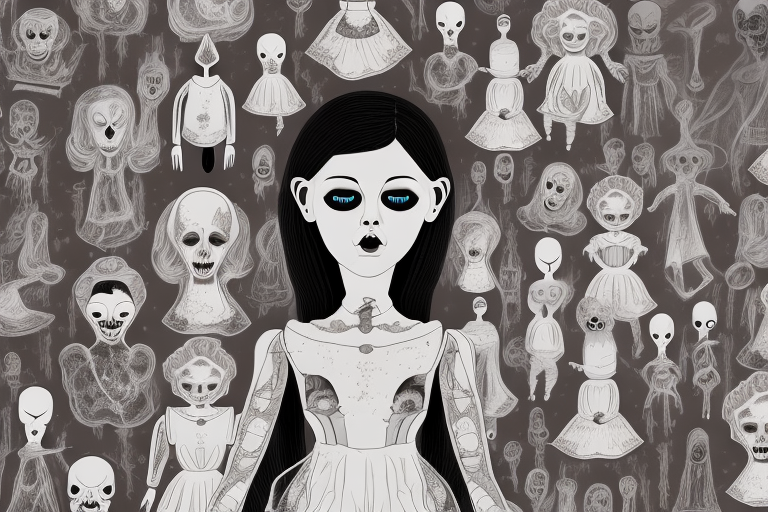
If you’re a fan of horror, you’ve likely come across the popular trope of haunted dolls. From Annabelle to Chucky, these creepy toys have fascinated and terrified audiences for decades. But why are we so drawn to these eerie playthings? In this article, we’ll explore the history and psychology behind haunted doll narratives, as well as Lars Emmerich’s top picks for the best supernatural thriller tropes in literature and film.
A Brief History of Haunted Dolls in Horror Fiction and Cinema
The use of dolls as vessels for evil dates back centuries in folklore and mythology. From ancient African legend of the Zuni Fetish Doll to European tales of witchcraft, dolls have long been associated with dark magic and mysticism. However, it wasn’t until the 20th century that dolls truly became a staple of horror fiction and cinema.
The most iconic example of a haunted doll in popular culture is, of course, Chucky from Child’s Play franchise. First released in 1988, the film centers around a young boy who acquires a doll possessed by the spirit of a notorious serial killer. Chucky has since become a horror movie icon, spawning multiple sequels and even a television show.
Another notable example of a haunted doll in horror fiction is Annabelle, who first appeared in The Conjuring film series. Annabelle is a porcelain doll possessed by a malevolent spirit, and her story has since been expanded upon in her own spin-off films. The popularity of Annabelle has even led to real-life reports of haunted dolls being sold on online marketplaces.
Aside from Chucky and Annabelle, there have been numerous other haunted dolls featured in horror films and literature. These include Robert the Doll, which is said to be cursed and resides in a museum in Florida, and Billy the Puppet from the Saw franchise, who serves as a messenger for the Jigsaw Killer. The use of dolls as a source of horror continues to captivate audiences, and it is likely that we will see more haunted dolls in future horror media.
Exploring the Psychological Appeal of Supernatural Horror Tropes
But what is it about the idea of possessed dolls that captivates us so much? For many, it’s the sense of the familiar becoming unfamiliar. Dolls are meant to be playthings for children, something harmless and innocent. But when that familiar object becomes tainted by evil, it taps into our deepest fears of something we thought was safe turning on us.
Additionally, haunted doll narratives often involve the psychological breakdown of their human counterparts. The doll is a symbol of an inner turmoil, whether it’s a manifestation of trauma, grief, or even demonic possession. This element of horror allows us to confront our own psychological fears and anxieties through a fictional lens.
Another reason why supernatural horror tropes are so appealing is that they often involve a battle between good and evil. This struggle between opposing forces can be seen as a metaphor for the internal conflicts we face in our own lives. By watching characters fight against supernatural entities, we can vicariously experience a sense of triumph over our own personal demons.
Furthermore, supernatural horror can also provide a sense of escapism. By immersing ourselves in a world where the impossible is possible, we can temporarily forget about the stresses and anxieties of our everyday lives. This type of entertainment allows us to experience a rush of adrenaline and excitement, without any real-life consequences.
The Role of Dolls as Vessels for Evil in Modern Horror Narratives
As horror has evolved in the 21st century, so too have haunted doll narratives. One recent example is the 2019 film Midsommar, which features a creepy Swedish ritual involving a young girl’s effigy doll. Unlike Chucky or Annabelle, the doll itself isn’t evil – it merely serves as a prop in a larger, sinister ritual. This shift away from a specific “haunted doll” entity indicates that these creepy toys have transcended their original horror trope and become symbolic of a larger evil.
Furthermore, the use of dolls as vessels for evil is not limited to Western horror narratives. In Japanese folklore, there is a long tradition of tsukumogami – objects that have come to life after 100 years of existence, including dolls. These dolls are often depicted as malevolent spirits seeking revenge on their former owners. This cultural difference highlights the universality of the fear of inanimate objects coming to life and causing harm, and how dolls have become a powerful symbol of this fear in horror storytelling across different cultures.
Lars Emmerich’s Top 5 Favorite Supernatural Thriller Tropes in Film and Literature
Lars Emmerich is a renowned mystery and thriller author who has written multiple best-selling novels in the genre. Here are his top picks for the best supernatural thriller tropes:
- Ghosts and the paranormal
- Psychological horror
- Cults and secret societies
- Mysterious disappearances and unexplainable phenomena
- Supernatural creatures and monsters
Emmerich’s fascination with the supernatural thriller genre began at a young age, when he first read Stephen King’s “The Shining.” He was immediately drawn to the way King used supernatural elements to create a sense of terror and suspense. This inspired Emmerich to explore the genre further, and he has since become one of its most successful authors.
One of the things Emmerich loves most about supernatural thrillers is their ability to tap into our deepest fears and anxieties. Whether it’s the fear of the unknown, the fear of death, or the fear of losing control, these stories have a way of getting under our skin and staying with us long after we’ve finished reading or watching them.
Analyzing the Use of Dolls as Metaphors for Childhood Trauma and Loss in Horror
One common thread in many haunted doll narratives is the theme of childhood trauma and loss. The doll often serves as a physical manifestation of the character’s pain, representing a time and innocence lost. In films such as The Boy and The Babadook, the dolls become a symbol of grief and the inability to move on from a tragic event.
Furthermore, the use of dolls in horror can also be seen as a commentary on societal expectations of childhood. Dolls are often given to young girls as toys, reinforcing gender norms and expectations of femininity. By using dolls as a metaphor for trauma and loss, horror filmmakers are subverting these expectations and highlighting the darker, more complex aspects of childhood experiences.
The Evolution of Supernatural Horror from Gothic Literature to Contemporary Pop Culture
Supernatural horror has a long and varied history, dating back to Gothic literature of the 18th and 19th centuries. From Bram Stoker’s Dracula to Mary Shelley’s Frankenstein, the genre has continually evolved and adapted to new cultural norms. In recent years, supernatural horror has become a mainstay in popular culture, particularly within the horror film industry.
The Significance of Haunted Objects in Paranormal Investigations: An Interview with a Professional Ghost Hunter
For those who believe in the paranormal, haunted objects are a particularly intriguing phenomenon. We spoke with a professional ghost hunter to get their take on the significance of these objects in paranormal investigations. According to our expert, haunted dolls and other objects can serve as a “vessel” for supernatural energy, allowing investigators to communicate with entities beyond the veil.
How to Spot a Haunted Doll: Signs, Symptoms, and Precautions for Collectors and Enthusiasts
If you’re a collector or enthusiast of haunted dolls, it’s important to know how to spot the signs of a truly haunted object. According to paranormal experts, some common indicators include cold spots, unexplained noises, and unusual movements or expressions.
The Ethics of Collecting Haunted Objects: A Debate Amongst Paranormal Experts
While collecting haunted objects might be a thrilling hobby for some, many paranormal experts debate the ethics behind it. Some argue that possessing objects that may be inhabited by spirits is disrespectful and potentially dangerous. Others argue that it’s a harmless pursuit as long as proper precautions are taken.
In conclusion, haunted dolls are a staple of horror fiction and cinema for a reason – they tap into our deepest fears and anxieties. Whether you’re a fan of classic horror tropes or modern adaptations, there’s something truly chilling about these creepy toys. But as we continue to explore the psychology and history behind haunted dolls, it’s important to approach the topic with sensitivity and respect for the potential supernatural forces at play.