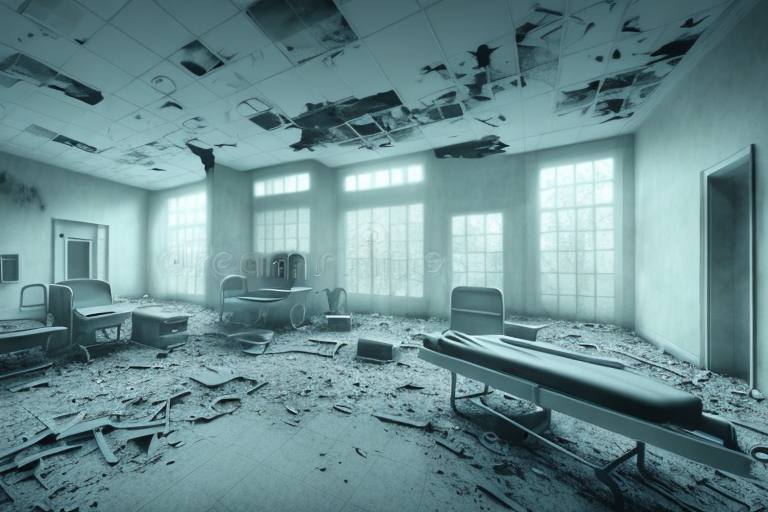
Lars Emmerich is a well-known author who has made a name for himself by writing gripping mystery and thriller stories that keep readers on the edge of their seats. One of Emmerich’s favorite tropes in the genre is the cursed abandoned hospital. In this article, we will explore why this trope has such an enduring appeal and look at some of the top books and movies that have used this setting to great effect.
Introduction to Lars Emmerich’s fascination with mystery and thriller tropes
Before diving into the specifics of the cursed abandoned hospital trope, it’s important to understand why Lars Emmerich is so captivated by mystery and thriller writing. Emmerich has been writing in the genre for over a decade, and he has cited his love for puzzles and complex storytelling as the driving force behind his work. He is also fascinated by the darker aspects of human nature, and he believes that mystery and thriller stories provide a unique opportunity to explore these themes.
Emmerich’s interest in mystery and thriller writing began at a young age, when he would spend hours reading Agatha Christie novels and watching Hitchcock films. As he grew older, he became more interested in the mechanics of storytelling and how to keep readers on the edge of their seats. Emmerich is known for his intricate plots and unexpected twists, which he attributes to his love of puzzles and his desire to keep readers guessing until the very end.
The enduring appeal of abandoned hospitals in mystery and thriller genres
One of the most popular settings in mystery and thriller stories is the abandoned hospital. This setting has been used in countless books and movies, and it continues to captivate audiences to this day. There’s something inherently creepy about a deserted hospital – the empty hallways and abandoned equipment bring to mind all sorts of frightening scenarios. Additionally, hospitals are places of healing and recovery, so the idea of an abandoned hospital suggests that something has gone very wrong.
Another reason why abandoned hospitals are so appealing in mystery and thriller genres is the potential for hidden secrets and dark histories. Hospitals are places where life and death intersect, and they often have a long and complex history. This makes them the perfect setting for a story that involves uncovering hidden secrets or exploring the darker side of human nature.
Finally, abandoned hospitals also provide a sense of isolation and vulnerability for the characters in the story. When a character is trapped in an abandoned hospital, they are cut off from the outside world and must rely on their own wits and resources to survive. This creates a sense of tension and suspense that keeps readers and viewers on the edge of their seats.
The history and legends behind cursed hospitals: fact or fiction?
There are many legends and stories about cursed hospitals, and it can be difficult to separate fact from fiction. Emmerich is particularly interested in the history of hospitals and the ways in which they have been used and abused over the years. Some of the most famous cursed hospitals in history include the Waverly Hills Sanatorium in Kentucky and the Pennhurst Asylum in Pennsylvania. These institutions were notorious for their inhumane treatment of patients, and many people believe that the hospitals are now cursed because of the traumatic events that took place within their walls.
However, not all cursed hospitals have a history of mistreatment and abuse. Some hospitals have become cursed due to tragic events that occurred within their walls, such as a mass casualty event or a deadly disease outbreak. The Bellevue Hospital in New York City, for example, is said to be cursed due to the large number of deaths that occurred during the Spanish flu pandemic of 1918.
Despite the many legends and stories surrounding cursed hospitals, there is little scientific evidence to support the idea that hospitals can be cursed. However, the idea of a cursed hospital continues to capture the public’s imagination and inspire countless horror stories and movies.
Examining the psychological impact of abandoned hospitals on readers and viewers
One of the reasons that the cursed abandoned hospital trope is so effective is because of its psychological impact on readers and viewers. The idea of being trapped in an abandoned hospital, with no escape and no one around to help, is a terrifying prospect. Additionally, the hospital setting plays into our fears of illness and death – we are reminded of our own mortality when confronted with the stark reality of a hospital that has fallen into disrepair.
Another factor that contributes to the psychological impact of abandoned hospitals is the sense of isolation and abandonment. Hospitals are typically places of healing and care, so to see one left to decay and rot can be jarring. This feeling of abandonment can also trigger feelings of loneliness and helplessness in viewers and readers.
Furthermore, abandoned hospitals can also serve as a metaphor for societal issues such as neglect and decay. They can represent a failure of the healthcare system or a lack of resources for mental health treatment. This can add an additional layer of unease and discomfort for viewers and readers, as they are forced to confront larger societal issues through the lens of a horror trope.
Top mystery and thriller books and movies featuring haunted hospitals
There are countless books and movies that feature haunted hospitals, but a few stand out as particularly effective. Stephen King’s The Shining is perhaps the most famous example – the setting of the Overlook Hotel, with its eerie hallways and spectral apparitions, has become iconic in the horror genre. Other notable examples include Michael Crichton’s The Andromeda Strain, which takes place in an underground research facility, and the movie Grave Encounters, which follows a group of ghost hunters as they investigate an abandoned mental hospital.
Another great example of a haunted hospital in literature is Robin Cook’s novel, Coma. The story follows a young doctor who discovers a conspiracy involving patients who are put into comas for profit. The hospital where she works becomes a terrifying place as she uncovers the truth behind the mysterious comas. The novel was adapted into a successful movie in 1978.
In recent years, the TV series American Horror Story has featured several seasons with haunted hospitals as a central theme. In season two, titled Asylum, the story takes place in an insane asylum in the 1960s. The hospital is run by a sadistic nun and is haunted by the ghosts of former patients. In season six, titled Roanoke, the story follows a couple who move into a house built on the site of an old hospital where unspeakable horrors occurred.
Other popular tropes in mystery and thriller genres: from serial killers to supernatural entities
While the cursed abandoned hospital is a particularly effective trope, it’s not the only one that Emmerich enjoys exploring in his writing. Serial killers and supernatural entities are also popular themes in the genre, and they allow writers to create complex and compelling characters. Emmerich is particularly interested in exploring the motivations behind these characters and the ways in which they interact with one another.
The role of setting and atmosphere in creating suspenseful stories
The setting and atmosphere of a story are crucial elements in creating suspense and tension. Without a well-crafted setting that captures readers or viewers’ imagination, even the most gripping plot can fall flat. The abandoned hospital setting is particularly effective because it plays into our fears and anxieties in a way that few other settings can. Additionally, the hospital setting allows for a wide range of scenarios and plot twists that keep readers engaged and guessing until the very end.
How writers use tropes creatively to subvert expectations and keep readers engaged
While tropes like the cursed abandoned hospital can be effective on their own, the best writers know how to use them creatively to subvert expectations and keep readers engaged. Emmerich is particularly skilled at this – he takes familiar tropes and adds his own unique twist to create something entirely new. For example, in one of his stories, Emmerich uses the abandoned hospital setting to explore themes of isolation and loneliness, creating a haunting and emotionally resonant story that stands out from the crowd.
Conclusion: why the cursed abandoned hospital trope will continue to captivate audiences for years to come
The cursed abandoned hospital trope is a classic element of the mystery and thriller genres that has been used in countless books and movies. While it may seem like an overused trope at first glance, it continues to captivate audiences because of its psychological impact and its ability to inspire fear and dread. Additionally, as writers continue to explore new and creative uses for the trope, it’s likely that we’ll continue to see gripping and suspenseful stories set in abandoned hospitals in the years to come.