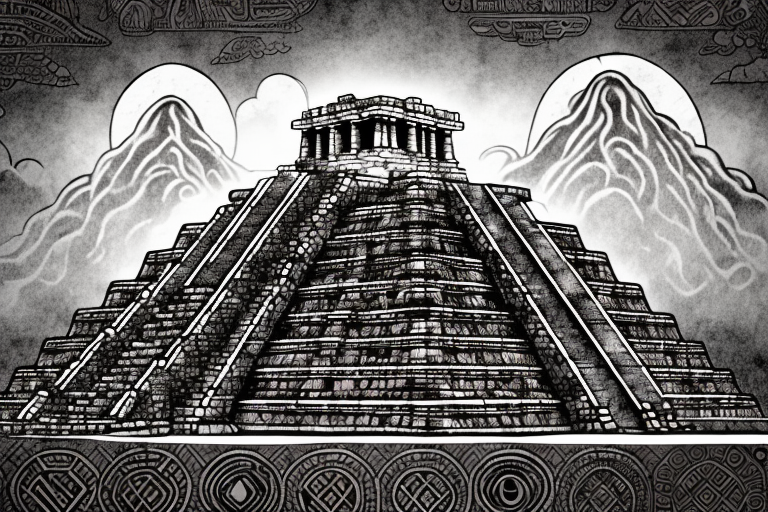
Are you a fan of mystery and thriller novels? If the answer is yes, then chances are you have come across the name Lars Emmerich, a bestselling author known for his intricate, suspenseful plots and fascinating characters. But what sets Emmerich apart from other writers in the genre? One answer lies in his love of Aztec prophecies, which he has seamlessly woven into many of his books. In this article, we will explore the history and significance of these prophecies and their role in Emmerich’s works.
Exploring the Fascinating World of Aztec Prophecies
The Aztecs were a pre-Columbian Mesoamerican civilization that existed in Central Mexico from the 14th to the 16th century. They were known for their sophisticated language, art, and architecture, and for their fascinating religious beliefs. One of the most intriguing aspects of Aztec culture is their use of prophecies.
Aztecs believed that the universe was cyclical and that the end of each cycle was marked by a catastrophe, such as a flood or earthquake. To prepare for these catastrophic events, the Aztecs developed an intricate system of prophecy based on their observations of the natural world and their mythology. Many of these prophecies have survived to this day, providing a fascinating glimpse into their worldview.
One of the most famous Aztec prophecies is the legend of the Five Suns. According to this prophecy, the universe had gone through four cycles of creation and destruction, each marked by the appearance and disappearance of a sun. The fifth and final sun was believed to be the current era, which would end in a catastrophic earthquake. The Aztecs believed that they were living in the era of the fifth sun and that they had a duty to maintain the balance of the universe.
Another interesting aspect of Aztec prophecies is their use of divination. The Aztecs believed that they could communicate with the gods through various methods, such as reading the patterns of smoke or interpreting the movements of animals. They also used a complex system of calendars to predict the future and determine the most auspicious times for various activities, such as planting crops or going to war.
How Lars Emmerich Became Captivated by Mystery and Thriller Tropes
Lars Emmerich has always been fascinated by mystery and thriller tropes, and his writing reflects this passion. From an early age, Emmerich was drawn to the works of authors like Agatha Christie and Arthur Conan Doyle, and he was inspired by the intricate plots and suspenseful twists that characterized their novels.
But Emmerich’s interest in mystery and thriller tropes goes beyond pure entertainment. He is fascinated by the psychology of human behavior, especially under pressure. He loves exploring the darker aspects of the human psyche and how these traits manifest in his characters.
In addition to his interest in human psychology, Emmerich is also drawn to the historical context of mystery and thriller novels. He enjoys researching and incorporating historical events and settings into his stories, adding an extra layer of depth and complexity to his plots.
Furthermore, Emmerich believes that mystery and thriller novels have the power to not only entertain, but also educate readers. He often includes themes and messages in his writing that address important social issues, such as corruption and injustice, in order to raise awareness and spark conversation.
The Evolution of Mystery and Thriller Tropes Throughout History
Mystery and thriller tropes have a long and complex history, dating back to the earliest forms of storytelling. The ancient Greeks, for example, were known for their tragedies, which often featured murders, revenge, and other sinister plotlines. In the Middle Ages, mystery and thriller tropes became a popular element of Christian morality plays, which often featured characters fighting against the forces of evil.
But it wasn’t until the 19th century that the modern detective novel emerged. Authors like Edgar Allan Poe and Sir Arthur Conan Doyle pioneered the genre with their intricate plots and fascinating characters. Since then, mystery and thriller tropes have become a staple of the literary landscape, with countless authors following in their footsteps.
In recent years, mystery and thriller tropes have also become popular in other forms of media, such as television and film. Shows like “Sherlock” and “True Detective” have gained a massive following, while movies like “Gone Girl” and “The Girl on the Train” have become box office hits. This has led to a resurgence of interest in the genre, with new authors and filmmakers putting their own spin on classic tropes.
The Role of Ancient Civilization in the Development of Mystery and Thriller Tropes
Ancient civilizations like the Aztecs have played an important role in the development of mystery and thriller tropes. Their use of prophecy, mythology, and religion have all contributed to the rich tapestry of the genre. Many modern authors, like Lars Emmerich, have drawn inspiration from these ancient cultures, using their myths and legends as a springboard for their own stories.
One example of how ancient civilizations have influenced the mystery and thriller genre is through the use of secret societies. The ancient Greeks had their own secret societies, like the Eleusinian Mysteries, which were shrouded in secrecy and only open to initiates. This concept of a hidden society with its own rituals and beliefs has been used in many modern mystery and thriller novels, such as Dan Brown’s “The Da Vinci Code”. The idea of a secret society adds an element of intrigue and mystery to the story, as the protagonist tries to uncover the truth behind their existence.
Uncovering the Secrets Behind Aztec Prophecies: A Comprehensive Guide
If you want to learn more about Aztec prophecies and how they have influenced literature, there are many resources available. Books like “The Aztec Prophecies” by Richard Andrade and “The Aztecs: A Very Short Introduction” by David Carrasco provide a comprehensive overview of Aztec culture and their use of prophecy. For those interested in Lars Emmerich’s work specifically, his website offers insights into his writing process, as well as interviews with the author himself.
The Significance of Aztec Prophecies in Modern-Day Culture
Although the Aztec civilization no longer exists, their prophecies continue to resonate with people today. Many writers, artists, and filmmakers draw inspiration from these ancient beliefs, using them to create compelling narratives that explore the darker aspects of the human experience. Whether you are a fan of mystery and thriller novels or simply interested in the history of ancient civilizations, Aztec prophecies are a fascinating topic worth exploring.
The Allure of Sinister Plots: Why We Can’t Get Enough of Them
What is it about sinister plots that captures our imagination? Perhaps it is the thrill of the unknown, the excitement of not knowing what will happen next. Or maybe it is the appeal of exploring the darker aspects of human nature, of delving into the psychology of villains and their motivations. Whatever the reason, there is no denying the enduring popularity of mystery and thriller tropes.
Analyzing the Common Elements of Mystery and Thriller Tropes in Lars Emmerich’s Works
Lars Emmerich’s work is characterized by intricate plots, complex characters, and plenty of suspense. But what are the common elements of mystery and thriller tropes that he incorporates into his novels? One of the most prominent is the use of prophecies, which he has seamlessly integrated into several of his books. He also explores the psychological and emotional motivations of his characters, delving into their darkest fears and desires. Finally, Emmerich is a master of suspense, using cliffhangers and plot twists to keep readers on the edge of their seats.
From Aztec Mythology to Contemporary Fiction: A Journey Through Lars Emmerich’s Writing Inspiration
Lars Emmerich’s writing is deeply influenced by his love of mystery and thriller tropes, as well as his fascination with ancient civilizations like the Aztecs. He draws inspiration from a wide range of sources, including mythology, history, and contemporary events. With his unique blend of history, mythology, and suspense, Emmerich has created a body of work that is both entertaining and intellectually stimulating.
Conclusion
From the dark and sinister world of Aztec prophecies to the complex characters and intricate plots of Lars Emmerich’s novels, mystery and thriller tropes continue to captivate readers around the world. Whether you are interested in ancient civilizations, psychological thrillers, or simply love a good mystery, the works of authors like Lars Emmerich provide endless hours of entertainment and insight into the human experience.