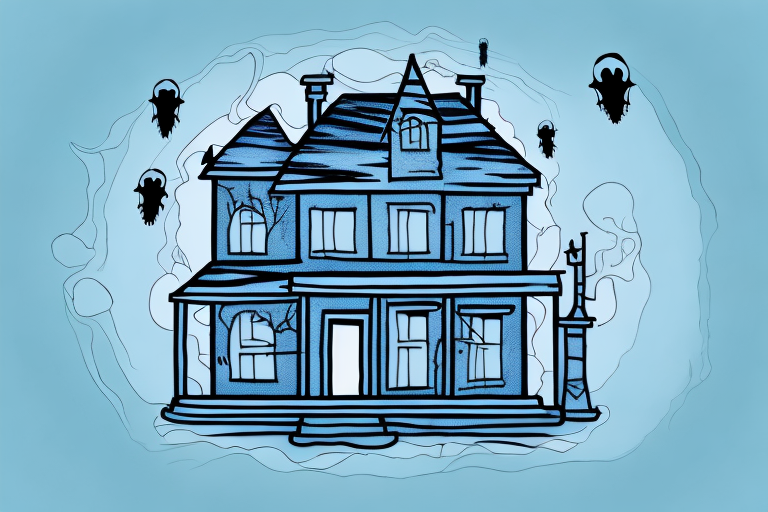
In the world of mystery and thriller novels, there are certain tropes that have become staples of the genre. From supernatural elements to betrayal and plot twists, these tools are used by authors to create an immersive and thrilling reading experience. Among the many authors who have mastered these techniques, Lars Emmerich stands out as one of the most skilled.
The Appeal of Supernatural Elements in Mystery and Thriller Novels
At the heart of many mystery and thriller novels is an element of the supernatural. Whether it’s a ghost haunting a house or a psychic detective solving a crime, these elements add an extra layer of intrigue and excitement to the story. According to Lars Emmerich, this is because supernatural elements allow authors to explore the unknown and the unexplainable.
“When you introduce supernatural elements into a story, you’re essentially saying that anything is possible,” Emmerich explains. “This creates a sense of wonder and excitement that can be incredibly compelling for readers.”
Furthermore, supernatural elements can also serve as a metaphor for deeper themes and issues. For example, a ghost haunting a character may represent their past coming back to haunt them, or a psychic detective may symbolize the power of intuition and the importance of trusting one’s instincts.
Additionally, supernatural elements can provide a sense of escapism for readers. By immersing themselves in a world where anything is possible, readers can temporarily forget about the limitations and constraints of their own lives.
The Role of Betrayal in Building Suspense and Tension
Betrayal is another common theme in mystery and thriller novels. Whether it’s a friend who turns out to be the villain or a loved one who betrays the protagonist, betrayal can create a sense of tension and uncertainty that keeps readers on the edge of their seats.
“Betrayal is such a powerful tool because it creates conflict and raises the stakes,” says Emmerich. “When readers don’t know who they can trust, they’re more invested in the story and more eager to see how things will turn out.”
Furthermore, betrayal can also add depth to characters and their relationships. It can reveal hidden motives and conflicting loyalties, making the story more complex and engaging. The aftermath of betrayal can also be explored, showing the emotional impact it has on the characters and their actions moving forward.
The Evolution of the Ghost Hunter Archetype in Fiction
Ghosts and ghost hunters are a common fixture in many mystery and thriller novels. According to Emmerich, the portrayal of these characters has evolved over time.
“In the past, ghost hunters were often portrayed as foppish, bumbling characters who stumbled their way through investigations,” he explains. “But as the genre has evolved, we’ve seen a shift towards more capable and competent protagonists.”
This shift towards more capable and competent ghost hunters can be seen in recent popular works such as the Netflix series “Stranger Things” and the film “The Conjuring.” These modern ghost hunters are often portrayed as highly skilled and knowledgeable individuals who use advanced technology and scientific methods to investigate paranormal activity.
A Close Look at Lars Emmerich’s Favorite Mystery and Thriller Tropes
As a successful author in the genre, Lars Emmerich has several favorite tropes that he employs in his own writing. One of his favorites is the “unreliable narrator” trope.
“I love stories where you’re not quite sure if you can trust the narrator,” he says. “It creates a sense of unease that adds to the overall mood of the story.”
Another favorite trope of Emmerich’s is the “red herring.” He enjoys leading readers down one path, only to reveal later that it was a false lead. “It keeps readers on their toes and adds an element of surprise to the story,” he explains.
The Importance of Setting in Creating an Eerie Atmosphere
The setting of a novel can have a huge impact on the mood and atmosphere. According to Emmerich, creating an eerie setting is key to crafting a successful mystery or thriller novel.
“The setting is so important because it can set the tone for the entire story,” he explains. “If you want to keep readers on edge, it’s important to create a setting that’s dark, creepy, and mysterious.”
One way to create an eerie setting is to use weather and natural elements to enhance the mood. For example, a thunderstorm or heavy fog can add to the sense of foreboding and uncertainty. The use of shadows and dim lighting can also contribute to the overall atmosphere.
However, it’s important to strike a balance between creating an eerie setting and making it too overwhelming for readers. If the setting is too dark and creepy, it can become distracting and take away from the plot and characters. The key is to use setting as a tool to enhance the story, rather than overshadow it.
The Role of the Supernatural in Examining Human Nature
In addition to adding excitement to a story, the supernatural can also be used to explore deeper themes and ideas. According to Emmerich, the supernatural can be used to examine the darker aspects of human nature.
“When you introduce supernatural elements into a story, you’re able to explore topics like death, loss, and grief in a way that’s more metaphorical and abstract,” he says. “This can create a more powerful emotional impact for readers.”
Furthermore, the supernatural can also be used to challenge societal norms and beliefs. By introducing supernatural beings or events that defy the laws of nature, authors can question the limitations and boundaries that society has placed on human existence. This can lead to a deeper understanding of the human condition and encourage readers to question their own beliefs and values.
The Use of Foreshadowing to Build Anticipation in Mystery and Thriller Novels
Foreshadowing is a key tool used by many mystery and thriller authors. By hinting at what’s to come, they can build anticipation and keep readers engaged.
“Foreshadowing is so important because it creates a sense of anticipation and expectation for readers,” explains Emmerich. “When done well, it can lead to some truly satisfying plot twists and revelations.”
One of the most effective ways to use foreshadowing is to plant clues throughout the story that only make sense in hindsight. This technique not only keeps readers engaged, but also encourages them to go back and reread the story to see how the clues fit together.
However, it’s important for authors to strike a balance with foreshadowing. Too much can give away the ending, while too little can leave readers feeling unsatisfied. Skilled authors know how to use just the right amount of foreshadowing to keep readers on the edge of their seats.
The Art of Crafting Plot Twists that Surprise and Delight Readers
Plot twists are a hallmark of many mystery and thriller novels. According to Emmerich, crafting a successful plot twist requires careful planning and attention to detail.
“A good plot twist should be surprising and unexpected, but also make sense in the context of the story,” he says. “It’s a delicate balance, but when done well, it can really elevate a novel.”
One way to create a successful plot twist is to plant subtle clues throughout the story that hint at the twist, without giving it away completely. This can create a sense of satisfaction for readers when they look back and realize the clues were there all along.
The Significance of Conflict in Creating a Compelling Storyline
Finally, conflict is another key element of successful mystery and thriller novels. Whether it’s a conflict between two characters or an internal conflict within the protagonist, creating tension and conflict can make a story much more compelling.
“Conflict is such an important tool because it creates stakes and raises the tension,” Emmerich explains. “When readers care about what’s at stake, they’re more invested in the story and more eager to see how things turn out.”
Conclusion
In conclusion, mystery and thriller novels rely on a variety of tropes and tools to create an immersive and engaging reading experience. From supernatural elements to betrayal and plot twists, these techniques can be used in a variety of ways to create tension, suspense, and excitement. As a master of the genre, Lars Emmerich knows how to use these tools to craft compelling stories that keep readers on the edge of their seats.