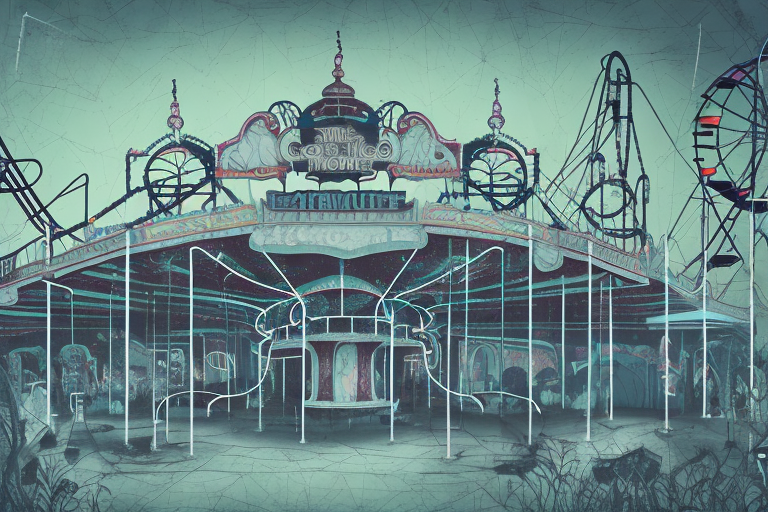
If you’re a fan of mystery and thriller stories, chances are you’ve come across the trope of a cursed haunted amusement park. The idea of these parks being places of fun and joy that have been corrupted by sinister forces is undeniably intriguing, and filmmakers and authors alike have used it to create some of the most memorable and chilling stories in the genre.
Exploring the Fascination with Haunted Amusement Parks in Pop Culture
Haunted amusement parks have been a staple of horror movies and literature for decades. From the Coney Island setting in Paul Leni’s 1928 classic, “The Man Who Laughs,” to the iconic Ghostbusters’ final showdown at the fictional “Shandor Island” theme park, audiences have been captivated by the intersection of fun and fear that these settings provide. Why are we so drawn to the idea of these places?
Perhaps it’s the contrast between the happy-go-lucky facade of a theme park and the underlying fear and danger that lurks around every corner. Or maybe it’s the sense of nostalgia and childhood memories that are tainted by the presence of evil forces. Whatever the reason, haunted amusement parks are a fixture in pop culture, and will likely continue to be so for years to come.
One possible reason for the continued fascination with haunted amusement parks is the thrill of being scared in a controlled environment. Unlike real-life danger, where the outcome is uncertain and potentially harmful, visiting a haunted amusement park allows individuals to experience fear in a safe and controlled setting. This can be a thrilling and exciting experience for many people, and may explain why haunted attractions continue to be popular.
The History of Cursed Amusement Parks and Their Influence on Horror Fiction
While the idea of cursed amusement parks may seem like a modern trope, the reality is that parks and carnivals have always had an inherently creepy and mysterious vibe. From the traveling carnivals of the 19th century to the modern theme parks of today, these places are steeped in history and tradition.
The first major example of a cursed amusement park in literature can be traced back to Ray Bradbury’s classic short story, “The Black Ferris.” Published in the 1950s, the story tells of a demonic amusement park ride that terrorizes a group of children on Halloween night. This story set the tone for a genre that has only grown in popularity over the years.
One of the most famous examples of a cursed amusement park in popular culture is the abandoned amusement park in the TV show “Scooby-Doo.” The park, known as “Spooky Island,” is haunted by a vengeful spirit and serves as the backdrop for many of the show’s most iconic episodes. This portrayal of a cursed amusement park has become a staple of horror fiction and has inspired countless imitations and adaptations.
Despite their reputation for being spooky and mysterious, amusement parks continue to be popular destinations for families and thrill-seekers alike. However, the idea of a cursed amusement park still holds a certain fascination for many people, and it is likely that we will continue to see these places portrayed in horror fiction for years to come.
Analyzing the Psychological Thrills of Haunted Amusement Parks in Horror Novels and Films
One of the things that makes cursed amusement parks so effective as a horror trope is the psychological impact they have on audiences. By tapping into our childhood fears and memories of these happy places, filmmakers and authors are able to create a sense of dread and unease that is difficult to shake off.
Moreover, there’s something about the enclosed nature of a theme park that makes it feel like a trap. The feeling of being trapped in a place of supposed fun is incredibly unsettling, and the presence of dark supernatural forces only amplifies that feeling.
Another factor that contributes to the effectiveness of haunted amusement parks as a horror trope is the contrast between the bright, colorful, and cheerful atmosphere of a typical theme park and the dark, ominous, and terrifying events that take place within it. This contrast creates a sense of cognitive dissonance that can be deeply unsettling for audiences, as they struggle to reconcile their expectations of a happy and safe environment with the horrors that unfold before them.
The Role of Atmosphere and Setting in Creating a Spooky Amusement Park Narrative
When it comes to creating a successful haunted amusement park story, atmosphere is everything. The setting must be rich with history and detail, and the mood must be suitably creepy and unsettling. Authors and filmmakers must create an immersive experience that transports audiences to a world that is both familiar and frightening.
Music and sound effects are also crucial elements in creating the right atmosphere. The sound of a creaky rollercoaster or the screams of terrified passengers can set the mood and create an immersive experience that sticks with audiences long after the story is over.
In addition to atmosphere and setting, the characters in a spooky amusement park narrative are also important. They must be well-developed and relatable, so that audiences can connect with them and feel invested in their journey. Whether it’s a group of friends exploring the park or a lone survivor trying to escape, the characters must be compelling enough to keep audiences engaged.
The Evolution of Haunted Theme Parks in Literature and Cinema
As with any popular trope, the idea of a cursed amusement park has evolved over the years. From the early days of Ray Bradbury and Stephen King to the modern era of Jordan Peele and Mike Flanagan, filmmakers and authors have found new and innovative ways to use this trope in their work.
Recent examples of this trope include the HBO series “Westworld,” which puts a dark and disturbing spin on the idea of a theme park, and the film “Us,” which uses a fictional beachside boardwalk as its central setting.
Examining the Use of Supernatural Elements in Haunted Theme Park Stories
While the idea of a cursed amusement park can be scary enough on its own, many authors and filmmakers choose to incorporate supernatural elements into their stories to up the ante. From ghosts and demons to cursed rides and haunted mascots, the possibilities are endless.
But why are these supernatural elements so effective? For one, they provide a tangible threat that audiences can latch onto. It’s one thing to be scared of a scary ride or abandoned attraction, but it’s another thing entirely to be faced with a ghostly apparition or demonic entity.
How Horror Tropes are Used to Subvert Expectations in Cursed Amusement Park Narratives
While cursed amusement park stories might seem like a tired and overused trope, the reality is that authors and filmmakers are constantly finding new and inventive ways to subvert expectations and keep audiences on their toes.
Whether it’s introducing unexpected twists, playing with narrative conventions, or exploring new and uncharted territory within the theme park genre, there’s always a way to keep things fresh and exciting.
Lars Emmerich’s Favorite Mystery and Thriller Tropes: What Makes a Haunted Theme Park Story Stand Out?
Lars Emmerich is a bestselling thriller author who has written extensively on the subject of haunted amusement parks and other spooky themes. For Emmerich, the key to a successful story in this genre is a combination of atmosphere, memorable characters, and a sense of unpredictability.
According to Emmerich, the best haunted amusement park stories are those that manage to surprise and scare readers in equal measure. By combining traditional horror elements with unexpected twists and subversions, authors can create narratives that are both terrifying and thought-provoking.
Why We Love (and Fear) the Idea of a Cursed Haunted Amusement Park
At the end of the day, the allure of a cursed amusement park comes down to its ability to tap into our deepest fears and anxieties. By blending together elements of childhood nostalgia, supernatural horror, and the fear of being trapped, haunted theme park stories create a potent mix of emotions that are difficult to resist.
Whether you’re a fan of horror novels, films, or TV shows, chances are you’ve been captivated by the twisted and eerie world of a cursed amusement park. It’s a genre that will continue to captivate and terrify audiences for years to come.