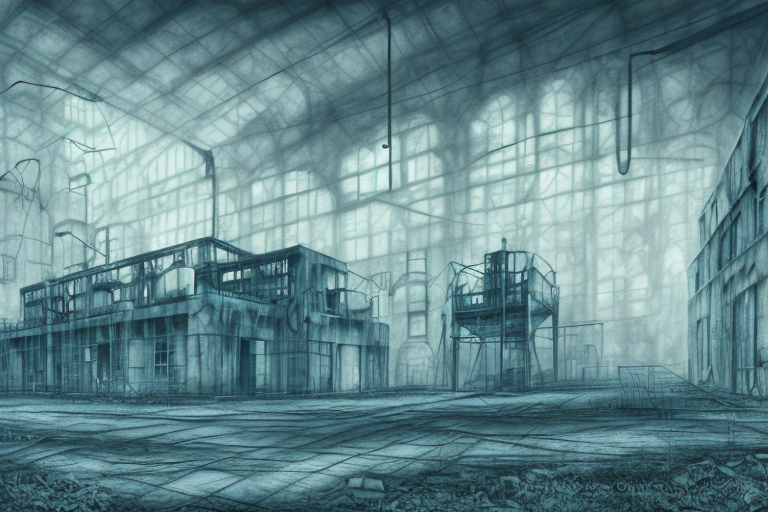
Lars Emmerich is an accomplished thriller writer whose works, including The Bug Out series, have received critical acclaim. One of his favorite settings for his mystery and thriller novels is the haunted abandoned factory, a classic trope in the genre. In this article, we’ll take a deep dive into why abandoned factories are such a popular setting for thriller novels, the history of this setting, and Lars Emmerich’s writing process.
Why Abandoned Factories are a Popular Setting for Thriller Novels
Abandoned factories are a popular setting for thriller novels because they embody the idea of something once great that has since fallen into ruin and disrepair. A factory, once bustling with activity, represents a sense of industrial decay and abandonment, and the perfect backdrop for a gritty thriller. Abandoned factories evoke a sense of potent nostalgia, a time when factories were the backbone of the economy. They also provide a perfect setting for suspenseful scenes to unfold. Abandoned factories typically have long hallways, dark corners, and deep shadows, putting the protagonist in a state of constant fear of the unknown.
Moreover, abandoned factories often have a mysterious history that adds to the intrigue of the story. The reasons for their abandonment could range from financial troubles to accidents or even criminal activity. This allows the author to create a complex plot that keeps the reader engaged and guessing until the very end. Additionally, the vast and empty spaces of abandoned factories provide ample opportunities for the protagonist to hide or escape from danger, making it a perfect setting for action-packed scenes. All in all, abandoned factories offer a unique and captivating setting for thriller novels that keeps readers on the edge of their seats.
The History of Abandoned Factories and Their Intrigue in Fiction
Factories have been an essential part of the industrial revolution since the late 18th century, and have played a vital role in shaping modern society. However, they also represent the price of progress – the inevitable decay that follows the peak of industrialization. Factories are known to be notoriously unsafe, with poor working conditions, long hours and many accidents. These factories fall into disrepair and disuse, making them perfect settings for mystery and thriller novels. Writers have long been fascinated with abandoned factories, with famous examples including George Orwell’s “Coming Up for Air”, where the protagonist returns to his hometown, only to find that the entire factory has been abandoned. Such stories capture the nostalgia for a lost time and represent the decay of a once-bustling society.
Abandoned factories have also become popular locations for urban exploration, or “urbex”. This involves exploring abandoned buildings and structures, often with the goal of documenting their decay and history. Many urbex enthusiasts are drawn to the eerie and haunting atmosphere of abandoned factories, as well as the opportunity to uncover hidden treasures and artifacts.
Despite their negative reputation, abandoned factories can also have a positive impact on their surrounding communities. Some abandoned factories have been repurposed and transformed into community spaces, such as art galleries, community centers, and even housing. These projects not only breathe new life into the abandoned structures, but also provide valuable resources and services to the local community.
The Psychological Appeal of Haunted Settings in Mystery and Thriller Books
Haunted or abandoned settings in thriller novels have a powerful effect on the reader’s psyche. They evoke a sense of dread and powerlessness, which captures the essence of what makes thrillers so captivating. The reader is thrown into a situation where they are helpless to the unknown forces around them. Haunted factories are particularly evocative, as they not only represent decay and abandonment, but also the uncanny – a feeling that the place is not quite right and that something is waiting just around the corner. This tension and apprehension in the reader’s mind is what makes thrillers so satisfying to read.
How Lars Emmerich Incorporates Classic Tropes into His Writing Style
Lars Emmerich is a master of using classic thriller tropes in new and exciting ways. The haunted abandoned factory has been a formidable presence throughout his works, and he expertly paints the setting in a way that enhances the story’s mood and atmosphere. Emmerich’s writing style is heavily influenced by classic thriller writers such as Stephen King and John Grisham, but he has developed his own unique voice. He brings a sense of intricacy and depth to the characters and settings that make his stories stand out. His ability to craft unique characters and intricate plots make his novels a pleasure to read.
The Role of Suspense and Fear in Crafting a Thrilling Story
Suspense is crucial to the success of a thriller novel. The tension must be maintained throughout the story, and the reader should be kept in a heightened state of anxiety. The fear factor is critical as it creates a sense of danger, and it makes the reader relate to the protagonist on an emotional level. This is doubly important in a haunted abandoned factory setting, as the place is already imbued with an eerie quality that heightens the suspense. Emmerich’s works are masterful at balancing suspense and fear, and it is this ability that makes his novels so enjoyable to read.
What Makes a Good Mystery: Insights from Lars Emmerich’s Writing Process
For Lars Emmerich, a good mystery novel is one that keeps the reader engaged and invested in the story. He believes that every character should have a backstory and be fully fleshed out, so the reader can relate to them. The plot should be well-constructed, with plenty of twists and turns to keep the reader guessing. It is also important to ensure that everything makes sense in the end, and that all the loose ends are tied up. Emmerich spends a great deal of time planning his novels, ensuring that his characters are well developed and the plot stays true to the genre while still being original.
How to Create a Believable Haunted Factory Setting in Your Own Writing
To create a haunted abandoned factory setting in your own writing, it is crucial to pay attention to physical detail. Think about the setting and the objects that are in it. The dust on the floor, the peeling paint on the walls, and the rusted machinery all create a sense of decay and disrepair that is not only visually striking but also sets the tone for the story. You should also think about the time of day and the lighting, as they can significantly impact the mood. This attention to detail will help create a believable and authentic setting that can be used to heighten the tension and suspense of your story.
The Evolution of Mystery and Thriller Tropes Over Time: A Look at Classic vs Modern Novels
The mystery and thriller genre has evolved significantly over time. Classic mysteries from authors such as Edgar Allan Poe focus on the puzzle and the solution, with little attention paid to character development. Modern thrillers, on the other hand, are more character-driven, with the story told from multiple perspectives. The settings have also changed, with haunted factories and other urban decay taking the forefront. While the genre has changed, some things remain the same. Suspense and fear are still critical, and the mystery at the heart of the story must be engaging enough to keep the reader turning the pages.
Tips for Building Tension and Creating a Sense of Dread in Your Writing, Inspired by Lars Emmerich’s Work
To build tension and create a sense of dread in your writing, it is important to use imagery that evokes the senses. Use descriptive language that speaks to what the character is seeing, hearing, and feeling. Pay attention to pacing and use short, declarative sentences to create a sense of urgency. Incorporate foreshadowing by hinting at events to come without revealing too much. Finally, make sure that you have a strong understanding of your characters’ motivations so that their actions feel believable and grounded in reality, while still contributing to the overall suspense of the story.
Conclusion
In conclusion, the haunted abandoned factory is a popular, highly evocative setting in mystery and thriller novels. Lars Emmerich is one of the best thriller writers working today, and his ability to convey mood and character make his work stand out. By paying attention to detail, capturing a sense of decay and disrepair, and creating compelling characters, writers can bring the haunted abandoned factory to life in their own works.