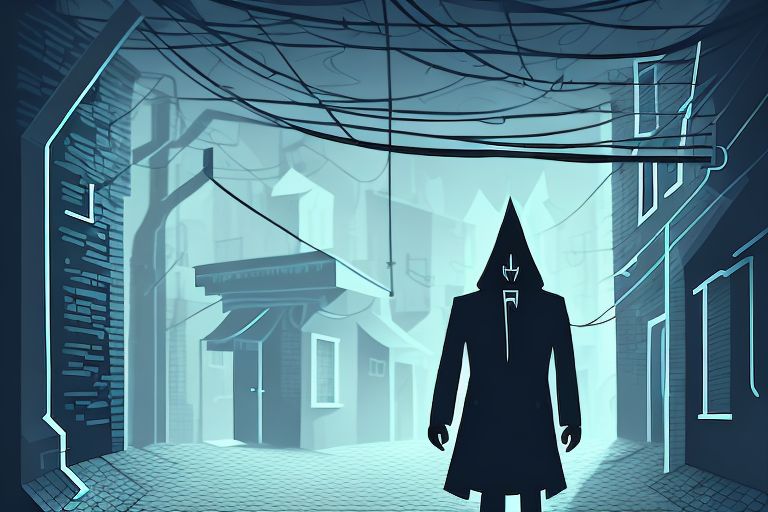
The thriller genre has always been a popular choice among readers, with its combination of suspense, intrigue, and action. In this article, we will compare two popular thriller novels: Robert Ludlum’s “The Bourne Identity” and Lars Emmerich’s “Deep Fake.” Both novels have been highly acclaimed and have a loyal fan following. We will delve into the plot, characters, writing style, themes, and the use of technology in both novels to determine which one comes out on top.
The Thriller Genre: A Brief Overview
The thriller genre is characterized by a fast-paced plot, a sense of danger, and a protagonist who faces insurmountable odds. It is a genre that typically involves murder, espionage, political conspiracy, and crime. Readers are kept on the edge of their seats as the plot unfolds, with unexpected twists and turns around every corner.
One of the key elements of the thriller genre is the use of suspense. Thriller writers often use foreshadowing and other literary devices to create a sense of impending danger, leaving readers guessing about what will happen next. This keeps readers engaged and invested in the story, as they try to piece together the clues and anticipate the outcome.
Another important aspect of the thriller genre is the development of complex characters. Protagonists in thrillers are often flawed, with their own personal demons to overcome. This adds depth to the story and makes the characters more relatable to readers. Villains in thrillers are also often multi-dimensional, with complex motivations and backstories that make them more than just one-dimensional bad guys.
The Legacy of Robert Ludlum’s Bourne Series
When it comes to the thriller genre, Robert Ludlum is a name that stands out. His Bourne series, which started with “The Bourne Identity,” paved the way for many authors to follow. The series follows the story of Jason Bourne, a former CIA assassin who suffers from amnesia. He discovers that he has a notorious past and sets out to uncover his true identity while evading his former employers.
The Bourne series has not only been successful in the literary world but has also been adapted into a successful film franchise. The first film, “The Bourne Identity,” was released in 2002 and starred Matt Damon as Jason Bourne. The film was a critical and commercial success, leading to the release of four more films in the series.
Robert Ludlum’s legacy continues to live on through the Bourne series, with new authors continuing the story after Ludlum’s death in 2001. The series has also inspired other authors to write similar thrillers, featuring characters with mysterious pasts and high-stakes action. The Bourne series has truly left a lasting impact on the thriller genre and will continue to be a beloved classic for years to come.
Introducing Lars Emmerich and “Deep Fake”
Lars Emmerich’s “Deep Fake” is a recent addition to the thriller genre. The novel has received rave reviews and has been praised for its intricate plot and captivating characters. The story revolves around a high-tech company and its founder, who gets involved in a dangerous game of espionage and deceit.
Emmerich’s background in technology and cybersecurity adds a unique layer of authenticity to the novel’s portrayal of the tech industry. The book also explores the ethical implications of advanced technology, particularly in regards to the creation of “deep fakes” – highly realistic videos that can be used to manipulate public opinion. “Deep Fake” is a thought-provoking and thrilling read that will keep you on the edge of your seat until the very end.
Plot and Characters in “The Bourne Identity” and “Deep Fake”
While both novels fall under the same genre, their plots and characters differ significantly. “The Bourne Identity” is a story of self-discovery and redemption. The protagonist, Jason Bourne, is a complex character who is battling his inner demons while trying to uncover the truth about his past. On the other hand, “Deep Fake” revolves around technology and its implications for society. The characters in “Deep Fake” are equally complex, with their motives and actions often shrouded in mystery.
Despite their differences, both novels share a common theme of identity. In “The Bourne Identity,” Jason Bourne struggles to piece together his true identity, while in “Deep Fake,” the characters are forced to confront the idea that their identities may not be as secure as they once thought due to the advancements in technology. This theme adds an extra layer of depth to both stories and makes them thought-provoking reads.
Writing Style and Techniques in the Two Novels
The writing style in both novels is unique and engaging. Robert Ludlum’s writing is characterized by its fast pace and action sequences, while Lars Emmerich’s writing style is more nuanced and relies heavily on character development. Both authors use various literary techniques, such as foreshadowing and suspense, to keep their readers hooked.
In addition to their writing styles, the two novels also differ in their use of point of view. Ludlum’s novels are typically written in third person omniscient, allowing the reader to see into the minds of multiple characters. Emmerich, on the other hand, often uses first person point of view, giving readers a more intimate look into the thoughts and feelings of the protagonist.
Another notable difference between the two novels is their use of setting. Ludlum’s novels often take place in exotic locations around the world, adding to the sense of adventure and danger. Emmerich’s novels, on the other hand, are often set in more mundane locations, such as small towns or cities, but he uses vivid descriptions to bring these places to life and make them feel just as important to the story as any action sequence.
Themes Explored: Espionage, Identity, and Deception
Espionage, identity, and deception are common themes explored in both novels. “The Bourne Identity” delves into the world of the CIA and its covert operations while exploring the concept of identity and how it defines a person. “Deep Fake” looks at the role of technology in the modern world and highlights the danger of deep fakes and the potential misuse of technology.
In “The Bourne Identity,” the theme of espionage is explored through the character of Jason Bourne, a CIA assassin who suffers from amnesia and struggles to uncover his true identity. The novel also delves into the world of covert operations and the lengths that intelligence agencies will go to in order to protect their interests.
On the other hand, “Deep Fake” explores the theme of deception in the age of technology. The novel highlights the danger of deep fakes, which are manipulated videos or images that can be used to spread false information and manipulate public opinion. The book also raises questions about the potential misuse of technology and the need for greater regulation and oversight.
The Role of Technology in “Deep Fake”
The use of technology is a prominent feature in Lars Emmerich’s “Deep Fake.” The novel explores the implications of deep fakes and the potential misuse of technology. The use of technology in the thriller genre is not new, but Lars Emmerich takes it to a whole new level by exploring the darker side of technology and its impact on society.
Comparing the Reception of the Two Novels
“The Bourne Identity” and “Deep Fake” have both been well-received by readers and critics alike. “The Bourne Identity” has been adapted into several movies, and its popularity has spawned a whole franchise. “Deep Fake” has received critical acclaim for its unique take on the thriller genre and its exploration of technology.
Which Novel Reigns Supreme? A Final Verdict
Comparing two novels of such caliber is not an easy task. Both “The Bourne Identity” and “Deep Fake” have their unique strengths, and it ultimately comes down to personal preferences. Fans of action-packed thrillers will love “The Bourne Identity,” while those looking for a more cerebral and nuanced read will find “Deep Fake” more appealing. One thing is for sure, both novels are a must-read for any thriller lover.
In conclusion, the thriller genre has evolved over the years, with new authors pushing the boundaries of what can be achieved. Robert Ludlum’s “The Bourne Identity” and Lars Emmerich’s “Deep Fake” are two standout novels that showcase the genre’s diversity and potential. Both novels have raised the bar for what a thriller novel can achieve and will continue to be read for generations to come.