Thriller novels have always been a popular genre among book enthusiasts, and every year numerous novels are published that capture readers’ attention from start to finish. Two such novels that have captured the attention and the imagination of readers are The Thirteenth Tale by Diane Setterfield and “Devolution” by Lars Emmerich. Both novels offer a thrilling and spine-tingling experience, and it is worth taking a closer look at these two novels to see how they compare against each other.
A Brief Overview of Diane Setterfield’s The Thirteenth Tale
The Thirteenth Tale is a gothic-style novel that tells the story of Margaret Lea, a young biographer who is commissioned to write the biography of reclusive author Vida Winter. Through her encounters with Winter, Margaret uncovers secrets in Winter’s past that are both shocking and terrifying. The novel is set in England and features vividly described landscapes and architecture that add to the gothic ambiance of the novel.
One of the most intriguing aspects of The Thirteenth Tale is the way in which Setterfield weaves together multiple layers of storytelling. As Margaret delves deeper into Winter’s past, she discovers that the author has been telling different versions of her life story for years. This creates a sense of mystery and uncertainty that keeps the reader engaged throughout the novel.
Another notable feature of The Thirteenth Tale is the way in which Setterfield explores the themes of family, identity, and the power of storytelling. The novel raises questions about the nature of truth and the ways in which our personal histories shape who we are. Through Margaret’s interactions with Winter and her own family, Setterfield highlights the complex and often fraught relationships that exist between family members.
A Brief Overview of Lars Emmerich’s “Devolution”
“Devolution” is a political thriller that explores the complex world of espionage and international relations. The story is centered around Sam Jameson, a CIA agent who goes undercover to investigate a political conspiracy in the United States. However, things take a sinister turn when Jameson discovers that his own agency is involved in the conspiracy. The novel takes readers on a thrilling ride through the world of espionage, and it’s a must-read for fans of political thrillers.
One of the most intriguing aspects of “Devolution” is the way it portrays the inner workings of the CIA. Emmerich’s extensive research into the agency’s history and operations is evident throughout the novel, and readers get a rare glimpse into the world of intelligence gathering and covert operations. The novel also raises important questions about the role of government agencies in shaping global politics, and the ethical dilemmas that arise when national security is pitted against individual freedoms.
In addition to its gripping plot and well-drawn characters, “Devolution” is also notable for its vivid descriptions of exotic locations around the world. From the bustling streets of Istanbul to the rugged mountains of Afghanistan, Emmerich’s prose brings these places to life in vivid detail. The novel is a true globe-trotting adventure, and readers will feel like they’ve been on a whirlwind tour of the world by the time they reach the final page.
Comparing the Plot and Central Theme of Both Novels
While there are stark differences in the setting and genre of the two novels, both The Thirteenth Tale and “Devolution” share a common theme – the exploration of hidden secrets and the unveiling of long-buried truths. The Thirteenth Tale explores the themes of identity, family secrets, and trauma, while “Devolution” deals with political power struggles and conspiracy theories.
Despite the differences in themes, both novels also share a similar plot structure. Both stories are told through the perspective of a female protagonist who is on a quest to uncover the truth about a mysterious event. In The Thirteenth Tale, the protagonist is a biographer who is hired to write the life story of a famous author, while in “Devolution”, the protagonist is a journalist investigating a plane crash in a remote area.
Furthermore, both novels use the literary device of foreshadowing to build suspense and keep the reader engaged. In The Thirteenth Tale, the author uses foreshadowing to hint at the dark secrets that will be revealed later in the story, while in “Devolution”, the author uses foreshadowing to create a sense of impending danger as the protagonist ventures deeper into the wilderness.
Analyzing the Characterization in The Thirteenth Tale and “Devolution”
The characterization in both novels is multi-dimensional, with each character having their own personality and depth. The characters in The Thirteenth Tale are well-defined and relatable, while the characters in “Devolution” are complex and often morally ambiguous.
In The Thirteenth Tale, the main character, Margaret Lea, is a book lover and a biographer who is tasked with writing the biography of a famous author, Vida Winter. As Margaret delves deeper into Vida’s life, she discovers secrets that challenge her own beliefs and understanding of the world. On the other hand, “Devolution” explores the lives of a group of people who are stranded in the wilderness after a volcanic eruption. The characters are forced to confront their own fears and desires, and their actions are often driven by their primal instincts.
Examining the Writing Style and Narrative Techniques Used by Setterfield and Emmerich
The writing style in both novels is fluid and engaging, with each chapter leaving the reader wanting more. Setterfield is adept at using descriptive language and creating an eerie atmosphere that transports the reader to the gothic world of The Thirteenth Tale. Emmerich, on the other hand, employs a more fast-paced writing style that leaves the reader breathless at every turn.
In addition to their writing styles, both Setterfield and Emmerich utilize unique narrative techniques to enhance their storytelling. Setterfield employs a non-linear narrative structure, jumping back and forth in time to slowly reveal the secrets of her characters. This technique adds to the suspense and mystery of the novel, keeping the reader engaged and guessing until the very end. Emmerich, on the other hand, uses multiple perspectives to tell the story, giving the reader a more complete understanding of the events and characters involved.
Furthermore, both authors use symbolism and imagery to add depth and meaning to their stories. Setterfield uses the motif of twins throughout The Thirteenth Tale, representing the duality of human nature and the idea of hidden identities. Emmerich, in his novel The Day After Tomorrow, uses the imagery of ice and snow to symbolize the impending disaster and the coldness of the world in the face of crisis.
The Role of Setting in Creating Suspense in Thriller Novels
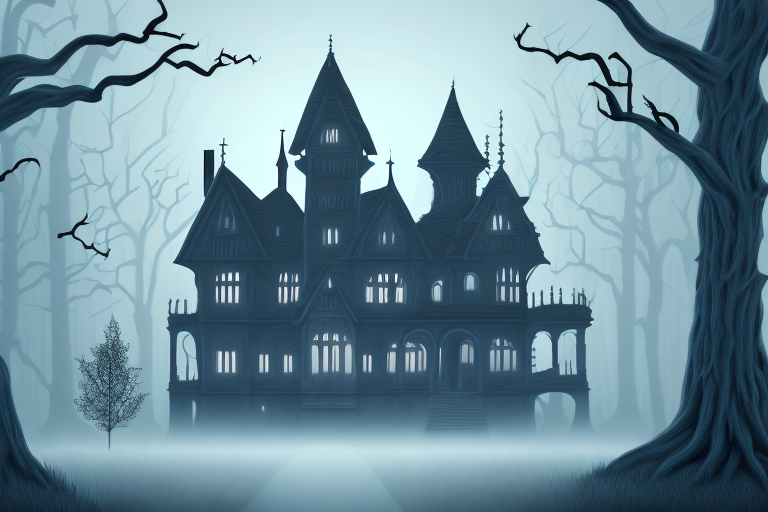
The setting often plays a crucial role in creating suspense in thriller novels, and both authors use this to great effect. Setterfield masterfully creates a dark and foreboding atmosphere in The Thirteenth Tale through her use of vivid descriptions of the misty English landscape and the crumbling mansion that is the central location of the story. Emmerich uses the political landscape of America to create a sense of intrigue and danger that keeps the reader on the edge of their seat.
Exploring the Use of Foreshadowing and Symbolism in Both Novels
Foreshadowing and symbolism are often used in thrillers to create a sense of dramatic irony and heighten the suspense. Setterfield skillfully uses foreshadowing in The Thirteenth Tale to hint at sinister events that are yet to come, while Emmerich employs symbolism to give greater depth to his characters and their motivations.
The Impact of Psychological Thriller Elements on the Reader’s Experience
Both The Thirteenth Tale and “Devolution” employ psychological thriller elements to great effect, creating a sense of paranoia and uncertainty that keeps the reader engaged from beginning to end. The psychological dimension of The Thirteenth Tale leaves the reader questioning whether reality is what it seems, while “Devolution” raises questions about the nature of power and authority.
Final Thoughts: Which Novel is a Must-Read for Thriller Fans?
Both The Thirteenth Tale and “Devolution” offer a thrilling and engaging experience, and choosing one over the other would depend on personal preference. Fans of gothic-style novels with a focus on family secrets and identity would enjoy The Thirteenth Tale, while those who prefer fast-paced political thrillers would be drawn to “Devolution”. Regardless of the preference, both novels are worth the read for any fan of the thriller genre.