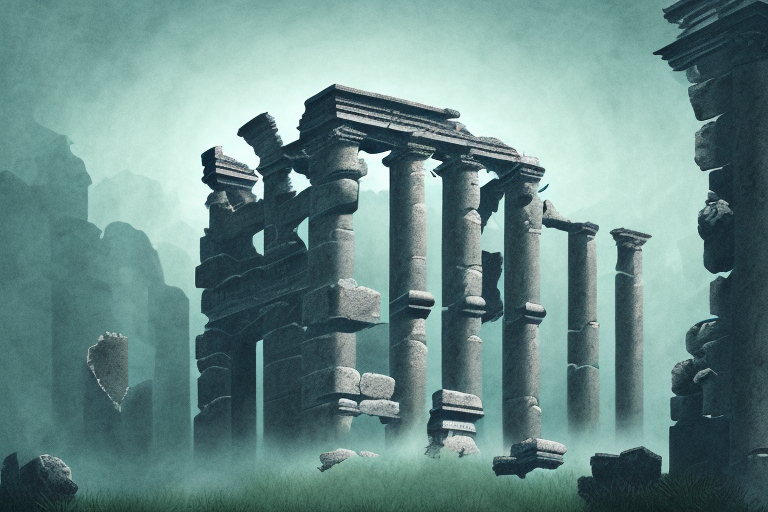
Lars Emmerich is a well-known author in the mystery and thriller genre. His novels often center around ancient conspiracies, and these tropes have become a fixture in the genre. In this article, we’ll take a closer look at the origins of the ancient conspiracy trope, its allure, and its evolution in modern mystery and thriller fiction. We’ll also delve into the ethics of fictionalizing real-life events and the psychological implications of conspiracy theories in real life and fiction. But first, let’s explore the ancient conspiracy trope in more detail.
Exploring the origins of the ancient conspiracy trope in mystery and thriller fiction
The ancient conspiracy trope dates back to the early days of the mystery and thriller genre. In the 1800s, Edgar Allan Poe wrote “The Gold Bug,” a story about deciphering an ancient treasure map. The concept of uncovering a hidden treasure became a popular theme in mystery novels, and it evolved into the ancient conspiracy trope we know today. Novels like “The Da Vinci Code” and “The Illuminati” have cemented this trope in popular culture.
However, the ancient conspiracy trope is not limited to literature. It has also been a popular theme in movies and television shows, such as “National Treasure” and “The X-Files.” The idea of a secret society or organization controlling the world from behind the scenes has captured the imagination of audiences for decades. Some even believe that these conspiracies are based on real-life events and organizations, adding to the intrigue and fascination surrounding the trope.
The allure of secret societies: how they enhance mystery and suspense in novels
One reason the ancient conspiracy trope is so compelling is the role secret societies play in these stories. Secret societies like the Illuminati or the Freemasons add an element of intrigue and mystique to the storyline. They are often depicted as powerful and influential groups, pulling the strings behind the scenes to achieve their goals. The existence of a secret society also creates a heightened sense of danger and suspense that keeps readers engaged.
Moreover, secret societies often have their own unique rituals, symbols, and codes that are shrouded in mystery. These elements add depth and complexity to the story, as characters must decipher the meaning behind them in order to uncover the secrets of the society. The inclusion of these details also allows the author to create a rich and immersive world for the reader to explore.
The role of hidden clues and symbols in creating a sense of intrigue and mystery
Another reason the ancient conspiracy trope works so well is the use of hidden clues and symbols. These clues often lead the protagonist on a journey to uncover the truth behind the conspiracy. The use of symbols like the Eye of Providence or the pentagram adds a layer of mysticism to the storyline. The reader is left trying to decipher the clues and make connections to uncover the truth along with the protagonist.
From Dan Brown to James Rollins: popular authors who use ancient conspiracies in their work
Many popular authors have incorporated ancient conspiracies into their work. Dan Brown’s “Da Vinci Code” is perhaps the most famous, but James Rollins, Steve Berry, and others have also used this concept in their novels. These authors have become known for their ability to weave together intricate storylines that keep readers guessing until the very end.
One reason why ancient conspiracies are so popular in literature is because they tap into our fascination with history and the unknown. These stories often involve secret societies, hidden knowledge, and mysterious artifacts, which add an element of excitement and intrigue to the plot. Additionally, these conspiracies often involve real historical events or figures, which can make the story feel more grounded in reality.
However, some critics argue that the use of ancient conspiracies in literature can perpetuate harmful stereotypes and misinformation. For example, some conspiracy theories promote anti-Semitic or racist beliefs, and authors who use these theories in their work may unintentionally reinforce these harmful ideas. It’s important for authors to be mindful of the messages they are sending and to do their research to ensure that their work is not perpetuating harmful myths or stereotypes.
The ethics of fictionalizing real-life conspiracies and historical events in thrillers
While the ancient conspiracy trope makes for great fiction, the line between fact and fiction can become blurred. When real-life conspiracies and historical events are fictionalized for the sake of a story, it can lead to controversy. Some argue that it’s disrespectful to those who were affected by these events. Others argue that it’s just fiction and should be viewed as such. The debate is ongoing, and there is no clear answer.
However, some authors argue that fictionalizing real-life events can actually bring attention to important issues and spark conversations. By using a fictional lens, readers may be more willing to engage with difficult topics and consider different perspectives. Additionally, authors may use their platform to provide historical context and educate readers on lesser-known events. Ultimately, the decision to fictionalize real-life events is a personal one for each author, and should be made with careful consideration of the potential impact on both the story and the real-life events being portrayed.
The evolution of the ancient conspiracy trope: where it’s headed in modern mystery and thriller fiction
As the mystery and thriller genre evolves, so does the ancient conspiracy trope. Authors are finding new ways to incorporate this concept into their stories. Some are using virtual reality or alternate realities to create a modern twist on the ancient conspiracy trope. Others are blending different genres, such as science fiction or horror, with the conspiracy storyline to create something entirely new.
One trend in modern mystery and thriller fiction is the use of real-life historical events as the basis for the conspiracy. Authors are researching and incorporating lesser-known historical events and figures into their stories, creating a sense of realism and authenticity. This approach also allows for a deeper exploration of the historical context and motivations behind the conspiracy.
Another way the ancient conspiracy trope is evolving is through the use of multiple perspectives. Instead of a single protagonist uncovering the conspiracy, authors are incorporating multiple characters with different viewpoints and agendas. This creates a more complex and nuanced storyline, as readers are forced to question the motives and reliability of each character.
Psychological implications of conspiracy theories in fiction and real life
The ancient conspiracy trope has become so popular in part because of our fascination with conspiracy theories in real life. Some argue that these theories are harmful and contribute to paranoid thinking. Others argue that they help us question authority and hold those in power accountable. Whatever your stance, it’s clear that conspiracy theories have a psychological impact on individuals and society as a whole.
One psychological impact of conspiracy theories is the creation of a sense of community among believers. People who subscribe to a particular conspiracy theory often feel a sense of belonging and camaraderie with others who share their beliefs. This can be positive in some ways, but it can also lead to an “us vs. them” mentality and a distrust of outsiders.
Another impact of conspiracy theories is the potential for cognitive dissonance. When presented with evidence that contradicts their beliefs, conspiracy theorists may experience discomfort and attempt to rationalize or dismiss the evidence. This can lead to a reinforcement of their beliefs and a rejection of opposing viewpoints, which can further contribute to a polarized society.
The influence of pop culture on our fascination with ancient conspiracies
The ancient conspiracy trope has become a fixture in pop culture. From movies and television shows to video games and comics, the concept of an ancient conspiracy has become ubiquitous. It’s this exposure to the trope that has helped to fuel our fascination with the concept.
A closer look at Lars Emmerich’s favorite mystery and thriller tropes: what makes them so compelling?
Finally, let’s take a closer look at Lars Emmerich’s favorite mystery and thriller tropes. Emmerich’s novels often center around ancient conspiracies, but he also incorporates other popular tropes, such as political thrillers and espionage. What makes these tropes so compelling is the way Emmerich weaves them together into a complex and engaging storyline. His ability to keep readers on the edge of their seats has made him a fan favorite in the genre.
Conclusion
The ancient conspiracy trope has become a staple in the mystery and thriller genre. It’s the allure of secret societies, hidden clues, and symbols that keep readers engaged. While the use of real-life events and conspiracies in fiction can be controversial, it’s clear that this trope has had a significant impact on popular culture. As the genre evolves, authors are finding new ways to incorporate the ancient conspiracy trope into their stories, ensuring it will remain a fixture in literature for years to come.