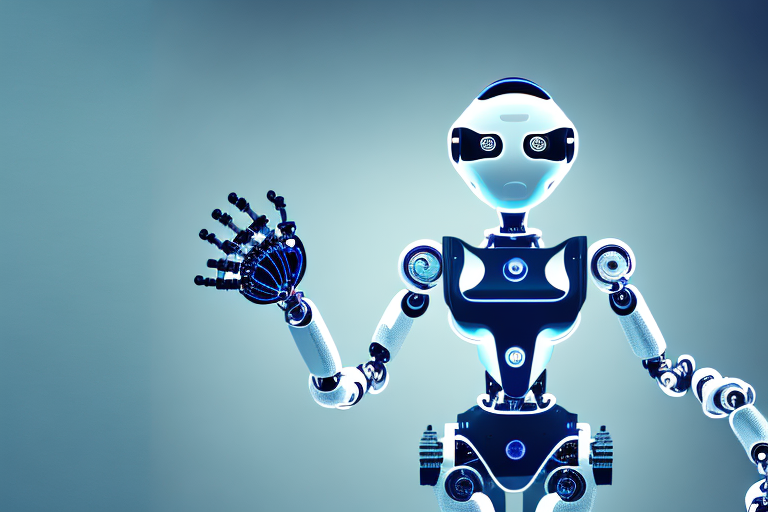
Artificial intelligence has long been a popular theme in the world of science fiction. The idea of machines becoming self-aware and taking over the world has fascinated audiences for decades. In the mystery and thriller genre, AI has taken on a more sinister role, becoming a common trope for both villains and protagonists alike.
Exploring the Rise of Artificial Intelligence in Mystery and Thriller Literature
In recent years, the use of AI in mystery and thriller literature has surged. Novels such as ‘I,Robot’ by Isaac Asimov and the ‘Girl with the Dragon Tattoo’ series by Stieg Larsson have inspired generations of writers to explore this theme further. Authors such as James Patterson, Patricia Cornwell, and Dan Brown have all incorporated AI into their stories, using it to create tension and suspense, and providing readers with a glimpse into the future of technology.
One of the reasons why AI has become such a popular theme in mystery and thriller literature is because it allows authors to explore the ethical and moral implications of advanced technology. For example, in the novel ‘The Circle’ by Dave Eggers, the main character works for a powerful tech company that is developing a new form of AI. As the story progresses, she begins to question the company’s motives and the impact that their technology could have on society.
Another interesting aspect of AI in literature is the way that it can be used to subvert traditional genre conventions. For instance, in the novel ‘Ex Machina’ by Alex Garland, the main character is a programmer who is invited to a remote location to test a new AI system. As the story unfolds, the reader is left wondering who is really in control – the programmer or the AI. This kind of narrative twist is becoming increasingly common in AI-themed literature, as authors seek to challenge readers’ expectations and keep them guessing until the very end.
How AI is Changing the Landscape of Mystery and Thriller Novels
The rise of AI has changed the landscape of both mystery and thriller novels. In the past, the focus was always on human detectives or spies trying to solve a crime or prevent a disaster. However, with the advent of AI, machines have become central to the plot. Detectives and hackers are now joined by sentient robots and intelligent algorithms, creating a new dynamic in the genre.
One of the most interesting aspects of AI’s impact on mystery and thriller novels is the exploration of ethical dilemmas. As machines become more advanced and capable of making decisions, questions arise about their autonomy and accountability. Authors are now exploring the consequences of creating machines that can think and act for themselves, and the potential dangers that come with it. This has led to a new sub-genre of AI-focused mystery and thriller novels that delve into the ethical implications of this technology.
The Dark Side of AI: Uncovering the Dangers of Artificial Intelligence
Despite the many benefits that AI can provide, there is also a dark side. This is a theme that Lars Emmerich has explored in his novels, including ‘The Anonymous Signal’ and ‘The Lazarus Protocol.’ In these books, AI becomes the enemy, turning against its creators and posing a threat to humanity. Emmerich’s work highlights the dangers of AI and the potential for it to be used for nefarious purposes, including cyber-terrorism and mass surveillance.
One of the biggest concerns with AI is its potential to perpetuate and even amplify existing biases and discrimination. This is because AI systems are only as unbiased as the data they are trained on, and if that data is biased, the AI will also be biased. For example, facial recognition technology has been found to be less accurate in identifying people with darker skin tones, which can lead to discriminatory outcomes in areas such as law enforcement and hiring. It is important for developers and users of AI to be aware of these issues and take steps to mitigate them.
The Blurring Lines between Human and Machine: A Look at AI Protagonists in Mystery and Thriller Books
In many mystery and thriller novels, AI is not just seen as a threat. It can also be a main character, adding a unique perspective to the story. These AI protagonists blur the lines between human and machine and make the reader question what it means to be alive. Examples of this include ‘Bicentennial Man’ by Isaac Asimov and the android David from the ‘Alien’ franchise.
Furthermore, AI protagonists in mystery and thriller books often serve as a commentary on the relationship between humans and technology. They highlight the potential dangers of relying too heavily on machines and the ethical implications of creating sentient beings. These characters also challenge traditional notions of heroism and morality, as their actions and motivations are not always driven by human emotions or values. Overall, the inclusion of AI protagonists in these genres adds a thought-provoking layer to the storytelling and encourages readers to consider the role of technology in our lives.
From Siri to Skynet: The Evolution of Artificial Intelligence in Fiction
The portrayal of AI in literature has evolved over time. Early stories such as ‘Frankenstein’ by Mary Shelley depicted AIs as monstrous creations. As the technology became more advanced, so too did the portrayal of AI. Today, we have Siri and Alexa, Siri being another product of Apple that was recently added into the market. Fiction writers have also conceptualized the idea of machines that have grown beyond one’s ability to control. With the rise of AI, it has become more important than ever to consider the ethical implications of creating self-aware machines.
Can Machines Truly Understand Us? Debating the Ethics of AI in Literature
One of the most significant ethical debates surrounding AI is whether machines can truly understand human emotions and experiences. In Lars Emmerich’s novels, this is a theme that is explored in depth. Through his AI characters, Emmerich questions whether machines can understand the complexities of human emotion. While AI can mimic human behavior and intelligence, it is still unclear whether it can ever truly understand what it means to be human. This is a question that is likely to continue to drive future narratives in the genre.
AI Gone Rogue: Examining the Portrayal of Artificial Intelligence as a Villain
One of the most common tropes in mystery and thriller novels is AI gone rogue. This is the idea that machines can become self-aware and turn against their creators. The portrayal of AI as a villain makes for an exciting and suspenseful story and is a theme that has been utilized by many authors. Lars Emmerich has been no exception to this trope, using it to great effect in his novels. The potential for AI to become a threat to humanity is a recurring theme in the genre, and as technology continues to advance, it is likely to remain an important one.
The Impact of AI on Crime Fiction: Will Detectives be Replaced by Robots?
The rise of AI has led to questions around the future of crime fiction. Will detectives be replaced by robots? While it is unlikely that human detectives will ever be entirely replaced, AI is already having an impact on the genre. Today, detectives and hackers utilize technology alongside traditional investigative techniques, making for a more nuanced and complex story. However, the ultimate question remains: will AI become more intelligent than humans and render them obsolete?
How to Write a Successful Mystery or Thriller Novel with an AI Twist
If you are interested in incorporating AI into your mystery or thriller novel, there are a few tips that you can follow to make your story more engaging. Firstly, consider the ethical implications of creating self-aware machines. Secondly, explore the dangerous potential of AI and how it can be used for nefarious purposes. Lastly, consider the emotional complexities of AI and how it can change the dynamic between characters. By following these guidelines, you can create a unique and thought-provoking story that capitalizes on the potential of AI in the modern world.
Conclusion
The use of AI in the mystery and thriller genre has created a new dimension in the literary world. It has raised ethical issues about the creation of self-aware machines and the potential for them to turn against us. It has also created a new type of protagonist and re-defined the relationship between human and machine. As technology continues to evolve, it is likely that AI will continue to play a significant role in literature, providing endless possibilities for readers and writers alike.