When it comes to the world of mystery and thrillers, author Lars Emmerich has become somewhat of an authority. Not only has he written several best-selling novels, but he also regularly shares tips and insights into the genre with others. In this article, we will explore some of Lars Emmerich’s favorite mystery and thriller tropes, including the art of suspense, the power of red herrings, character development, the importance of setting, plot twists, the psychology of fear, writing action scenes, incorporating technology, and the ethics of writing crime fiction.
The Art of Suspense: Building Tension in Mystery and Thriller Novels
One of the key elements of a successful mystery or thriller novel is the ability to build tension and suspense. According to Emmerich, there are a few key ways that writers can achieve this. First, it’s important to create a sense of urgency throughout the story, so that readers feel invested in what’s happening. This can be done through the pacing of the novel, as well as the use of cliffhangers and other plot twists.
Another crucial aspect of building suspense is to create a sense of mystery and intrigue around the main character. By establishing that the protagonist is on a dangerous mission, or that they are somehow involved in a high-stakes situation, readers will be more invested in the outcome of the story.
In addition to these techniques, another effective way to build tension is to use setting and atmosphere to create a sense of unease. By describing the environment in a way that makes readers feel uncomfortable or on edge, writers can heighten the sense of danger and uncertainty in the story. This can be achieved through the use of sensory details, such as describing the sound of footsteps echoing in an empty hallway or the feeling of a cold breeze on the back of the protagonist’s neck.
Finally, successful mystery and thriller writers often use misdirection to keep readers guessing and maintain the element of surprise. By introducing red herrings and false leads, writers can create a sense of confusion and uncertainty that keeps readers engaged and invested in the story. However, it’s important to strike a balance between misdirection and clarity, so that readers don’t become frustrated or feel cheated by the resolution of the story.
The Power of Red Herrings: How Misdirection Keeps Readers Engaged
Another common trope in mystery and thriller novels is the use of red herrings. These are false clues or pieces of information that lead readers in one direction, only to be revealed as irrelevant or misleading later on. Emmerich believes that the use of red herrings is an essential part of creating a compelling narrative:
“When you can successfully keep readers guessing, you keep them engaged. Red herrings can be a great way to create misdirection and build suspense throughout the story.”
However, the use of red herrings can also be overdone. If there are too many false leads or if they are too obvious, readers may become frustrated or lose interest in the story. It’s important to strike a balance and use red herrings strategically to keep readers engaged without overwhelming them.
Additionally, red herrings can also serve a thematic purpose in a story. They can represent the idea of deception or the danger of making assumptions based on incomplete information. By using red herrings effectively, authors can not only create a thrilling plot but also explore deeper themes and ideas.
Character Development in Mystery and Thriller Novels: Creating Compelling Protagonists and Antagonists
One of the most important aspects of any novel is the development of its characters. In mystery and thriller novels, this is especially crucial, as readers need to care about the protagonist and their mission. According to Emmerich, the key to compelling characters is to make them relatable and flawed:
“Nobody wants to read about a perfect hero – that’s just boring. Characters need to have flaws and weaknesses, but also a sense of purpose and drive. This creates depth and complexity, which readers will respond to.”
Another important aspect of character development in mystery and thriller novels is the creation of a compelling antagonist. The antagonist should be just as complex and well-developed as the protagonist, with their own motivations and flaws. This creates a sense of tension and conflict that drives the plot forward and keeps readers engaged.
The Importance of Setting: How Location Can Set the Tone for a Thrilling Mystery
Setting is another crucial element in the world of mystery and thrillers. Ideally, the location should feel like a character in its own right, shaping the action and driving the story forward. Emmerich is a big proponent of setting:
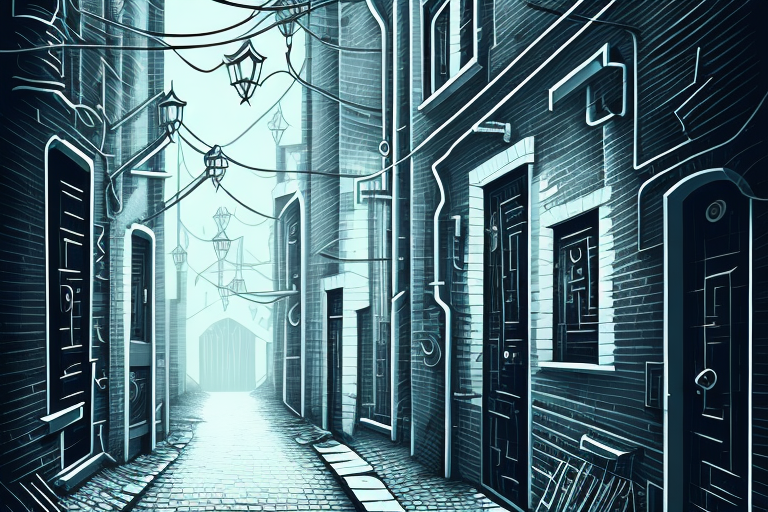
“Setting is essential because it can create a sense of atmosphere and mood. Whether it’s a dark and foreboding alleyway or a sprawling mansion on a hill, the right setting can really enhance the tension and drama of a mystery novel.”
The Role of Plot Twists: Keeping Readers on Their Toes Until the Very End
One of the hallmarks of a good mystery or thriller novel is the use of plot twists. These unexpected turns of events can keep readers guessing and create a real sense of excitement. Emmerich believes that plot twists are essential to a successful mystery novel:
“Without plot twists, readers will quickly lose interest. The key is to use them sparingly, and to make sure that they are logical and believable within the context of the story.”
The Psychology of Fear: Using Emotions to Keep Readers Hooked
Another important element in the world of mystery and thriller novels is the use of emotions. Specifically, writers need to tap into readers’ fears and anxieties in order to keep them hooked. Emmerich believes that this requires a deep understanding of human psychology:
“Fear is a powerful emotion, and if you can tap into that as a writer, you can really create a powerful story. But it’s not just about scaring readers – you also need to create a sense of empathy and connection between the reader and the protagonist. This is what keeps them invested in the outcome of the story.”
Writing Action Scenes: Crafting Exciting, Heart-Pumping Moments in Your Novel
Action scenes are a crucial part of most mystery and thriller novels, as they provide a much-needed break from the tension and suspense. But writing effective action scenes is easier said than done. Emmerich believes that the key to a good action scene is to create a sense of movement and momentum:
“Action scenes need to be fast-paced and exciting, but they also need to be easy to follow. Too much detail can bog down the scene and make it hard for readers to keep up.”
Incorporating Technology into Mysteries and Thrillers: Pros and Cons
Finally, there is the question of technology. With so many gadgets and devices available to us, it’s natural for writers to want to incorporate them into their novels. But as Emmerich points out, there are both pros and cons to incorporating technology into mysteries and thrillers:
“On the one hand, technology can be a great way to add realism and authenticity to a story. But on the other hand, it can also become dated very quickly. As a writer, you need to be careful about how you use technology in your novel, and make sure that it doesn’t detract from the overall story.”
The Ethics of Writing Crime Fiction: Balancing Entertainment with Real-World Consequences
Finally, there is the question of ethics. As Emmerich notes, many mystery and thriller novels deal with crime and violence, and writers need to be careful about how they portray these issues:
“It’s important to remember that even though these are works of fiction, they can still have an impact on readers. As writers, we need to be responsible about how we depict violence and crime, and make sure that readers understand the real-world consequences of these actions.”
In conclusion, there are many different elements that go into a successful mystery or thriller novel. Whether it’s creating suspense, using red herrings, developing compelling characters, or crafting exciting action scenes, writers must be mindful of the many tropes and conventions that have come to define the genre. Ultimately, as Lars Emmerich shows, the key to writing a great mystery or thriller is to be both skilled and creative, while also paying close attention to the needs and desires of your readers.