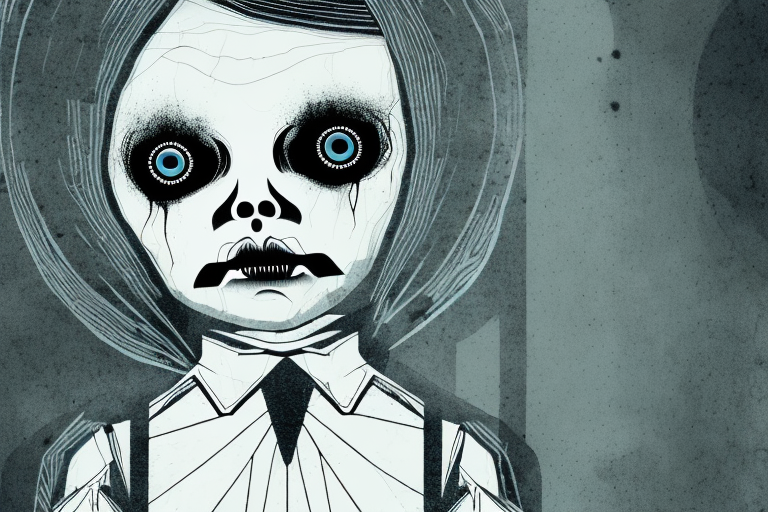
Mystery and thriller genres have always been filled with suspense, twists, and dread, but there’s one trope that has consistently been a fan favorite: the creepy doll. From old porcelain dolls to ventriloquist puppets and even newer AI robots, the creepy doll has been a staple in these genres, eliciting fear and curiosity from audiences. In this article, we will dive deeper into the appeal of creepy dolls in mystery and thriller stories, examining their origins, symbolism, and evolution in modern storytelling.
The appeal of creepy dolls in mystery and thriller storytelling
What is it about creepy dolls that makes them so effective in scaring readers and viewers? One reason could be their uncanny appearance. Dolls are meant to look like humans, but their features are often exaggerated or distorted, creating a sense of unease and discomfort. Additionally, dolls are usually associated with innocence and playfulness, making their transformation into something sinister even more jarring.
Another reason for the appeal of creepy dolls in mystery and thriller storytelling is their ability to tap into our primal fears. Dolls are often used as a symbol of childhood, and the idea of something innocent and familiar turning dark and dangerous can be deeply unsettling. Furthermore, dolls are often used as a vessel for possession or haunting, adding an extra layer of terror to their already eerie presence.
Examining the history of creepy dolls in literature and film
The use of dolls in horror and suspense goes back to at least the early 20th century with the publication of E.T.A. Hoffmann’s “The Sandman,” which features an automaton that leads a man to madness. However, it was not until the 20th century that dolls became more prominently featured in suspense and horror genres. In literature, authors such as R.L. Stine, Stephen King, and Joyce Carol Oates have all utilized creepy dolls in their works, while filmmakers have brought terrifying dolls to life in classics such as “The Twilight Zone” and “Child’s Play.”
One reason why dolls are so effective in horror and suspense is their uncanny resemblance to humans. Dolls are often designed to look like children or babies, which can evoke feelings of protectiveness and empathy in viewers. However, when dolls are used in a sinister way, it can create a sense of unease and discomfort. Additionally, dolls are often associated with innocence and childhood, making their use in horror even more disturbing.
The psychological impact of creepy dolls on readers and viewers
The fear of dolls and mannequins is a recognized phobia called Pediophobia, and it is rooted in the idea that a doll or mannequin could come to life or harbor a hidden malevolent spirit. The fear of dolls may also stem from their association with childhood and innocence, creating a cognitive dissonance when they are presented as terrifying. For some viewers, the horror of creepy dolls can be so intense that they experience physical reactions such as shivering, nausea, and anxiety.
Research has shown that the fear of dolls and other inanimate objects coming to life is not uncommon, and it may be linked to a fear of death and the unknown. The idea that something that is not alive could suddenly become animate and unpredictable can be deeply unsettling for some individuals.
Additionally, the use of creepy dolls in horror movies and literature can be seen as a form of psychological manipulation. By tapping into our primal fears and anxieties, these stories can elicit a strong emotional response and leave a lasting impression on the viewer or reader. This can be especially true for those who have a pre-existing fear of dolls or other inanimate objects.
How creepy dolls add to the suspense and tension in mystery and thriller narratives
Creepy dolls are often used as a tool to increase suspense and tension in mystery and thriller narratives. They can be used to foreshadow danger, create a sense of foreboding, or act as an obstacle for the protagonist’s goals. Additionally, due to their small size, they can sneak up on characters unexpectedly, adding to the element of surprise. Overall, the use of creepy dolls can make a story more immersive and engaging for the audience.
One reason why creepy dolls are so effective in creating suspense is because they tap into our primal fears. Dolls are meant to be cute and innocent, so when they are portrayed as creepy or sinister, it can be unsettling for viewers or readers. This subversion of expectations can keep the audience on edge, wondering what other surprises the story has in store.
Another way that creepy dolls can add to the tension in a narrative is by serving as a symbol for deeper themes or motifs. For example, a doll that is broken or damaged could represent a character’s fractured psyche or a dysfunctional family dynamic. By using a creepy doll as a metaphor, the story can explore complex ideas in a way that is both accessible and memorable for the audience.
The symbolism behind creepy dolls in mystery and thriller genres
Creepy dolls can represent various things in mystery and thriller genres, including innocence corrupted, repressed trauma, and even a harbinger of death. They can also represent the fear of the unknown and the idea that something sinister could be hiding beneath a seemingly harmless exterior. Dolls are often associated with femininity, and their portrayal as creepy or malevolent can also reflect underlying misogyny or fear of female power.
Another possible interpretation of creepy dolls in mystery and thriller genres is that they represent the loss of childhood innocence. Dolls are often associated with childhood and playfulness, but when they are portrayed as creepy or sinister, it can suggest that something has gone wrong or been lost in the transition to adulthood. This loss of innocence can be a powerful theme in stories that deal with trauma, abuse, or other forms of psychological distress.
Finally, creepy dolls can also be seen as a reflection of our own fears and anxieties. They tap into deep-seated cultural fears about the uncanny and the unknown, and they can be used to explore our own psychological vulnerabilities. By confronting these fears through the medium of storytelling, we can gain a greater understanding of ourselves and the world around us.
The different types of creepy dolls used in mystery and thriller stories
Creepy dolls come in many forms, from antique porcelain dolls to modern AI robots. Some of the most commonly used types in mystery and thriller narratives include ventriloquist puppets, clown dolls, and dolls with missing or broken parts. These types of dolls are often depicted as having a life of their own, with their movements and actions seeming to be independent of their human controllers.
Creepy dolls as a plot device: Examples from popular mystery and thriller works
Creepy dolls have been used as a plot device in countless mystery and thriller works, adding depth and complexity to the story. Some notable examples include the possessed doll Annabelle from “The Conjuring” universe, the murderous Chucky from the “Child’s Play” franchise, and the sentient AI robot Ava from “Ex Machina.” Each of these dolls serves a specific purpose in the story, furthering the plot and creating a sense of tension.
The evolution of the creepy doll trope in modern storytelling
In recent years, the creepy doll trope has evolved with the incorporation of new technologies such as AI and robotics. Dolls are no longer limited to being inanimate objects; they can now be programmed to move, talk, and even learn. This added level of realism has created a new type of fear that may become more prevalent in suspense and horror works in the future.
The future of creepy dolls in mystery and thriller genres
As technology continues to advance, we can expect to see more creative and terrifying uses of creepy dolls in mystery and thriller storytelling. Dolls may become more integrated with AI, allowing for more realistic interactions and even more unpredictable behavior. Additionally, the use of 3D printing may allow for the creation of even more intricate and detailed dolls. No matter how the creepy doll trope evolves, it is clear that it will continue to be a fan favorite in the suspense and horror genres.
Overall, it is evident that creepy dolls have left a lasting impression on mystery and thriller storytelling. From their uncanny appearance to their symbolism and psychological impact, creepy dolls continue to be a powerful tool in creating suspense and terror. As we move into the future, we can expect to see even more creative and terrifying uses of the creepy doll trope that will keep audiences on the edge of their seats.