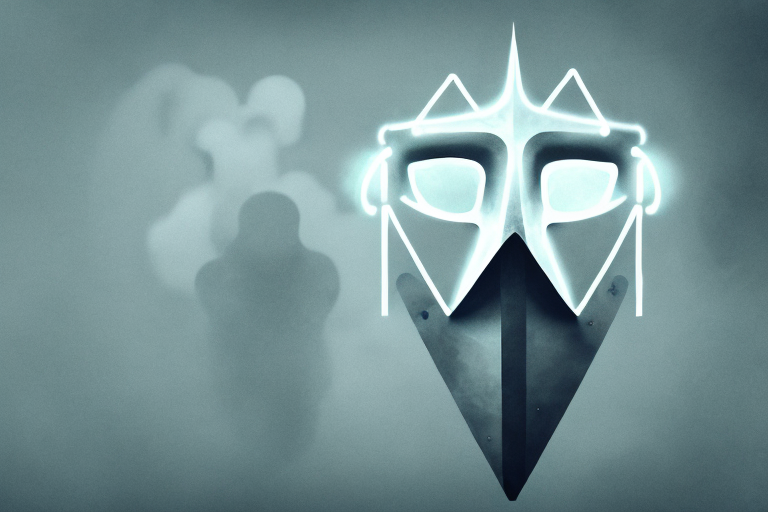
If you’re a mystery and thriller lover, you’ve most likely come across the use of cryptic ritual masks to add layers to the plot. Lars Emmerich, a prominent mystery author, is famously known for using these masks in his novels. In this article, we’ll explore the significance of masks in mystery and thriller novels, analyze Emmerich’s fascination with cryptic rituals, and understand the impact of these tropes on contemporary mystery and thriller writing.
Exploring the Importance of Masks in Mysteries and Thrillers
Masks have been used by writers for centuries to add intrigue to their plots. In mystery and thriller novels, masks are often used to hide the identity of the villain, provide a motive for the crime, or to add an element of horror. The idea of not knowing what lies behind the mask creates tension and suspense, which keeps readers engaged. Moreover, the mask can be used to emphasize a character’s persona or create tension between characters. In a thriller novel, the mask can even represent a metaphor for the darkness that lurks within us.
One of the most famous examples of masks in literature is the character of the Phantom of the Opera. The mask he wears not only hides his disfigured face but also adds to his mystique and allure. The mask becomes a symbol of his power and control over the other characters in the story.
Another way masks are used in mysteries and thrillers is to create a sense of ambiguity. The mask can be used to mislead the reader or to create a red herring. The character wearing the mask may not be the villain at all, but rather a victim or an innocent bystander. This creates a sense of uncertainty and keeps the reader guessing until the very end.
Analyzing Lars Emmerich’s Fascination with Cryptic Rituals in Literature
Lars Emmerich, a well-known mystery author, frequently uses cryptic ritual masks in his novels to add a layer of intrigue and complexity to his plots. He is known for using these masks to create a sense of wonder, fear, and ambiguity. According to Emmerich, masks are a central element of his novels because they help hide the characters’ true intentions and evoke a sense of curiosity in the readers.
Emmerich’s fascination with cryptic rituals extends beyond just the use of masks in his novels. He often incorporates ancient symbols and mysterious ceremonies into his plots, which he believes adds a sense of mysticism and otherworldliness to his stories. Emmerich has stated that he draws inspiration from real-life rituals and traditions from around the world, and enjoys researching and incorporating them into his writing.
Despite the use of cryptic rituals in his novels, Emmerich’s writing is not meant to be taken as a commentary on any particular belief system or culture. Rather, he sees these elements as a way to create a unique and captivating story that keeps readers engaged and guessing until the very end.
The Role of Symbolism in Crafting Intriguing Mystery Plots
Symbolism plays a crucial role in crafting an intriguing mystery plot. The use of a cryptic ritual mask, for instance, may symbolize the character’s true identity, intentions, or psychological state. In some cases, writers may use the mask to represent the darkness that lies within the characters. Symbolism, in this sense, is used to create a deeper meaning that adds depth and emotive impact to the plot, drawing the readers deeper into the narrative.
Another way in which symbolism can be used in crafting intriguing mystery plots is through the use of recurring motifs. These motifs can be objects, colors, or even specific words that are repeated throughout the story. For example, a recurring motif of a red scarf may symbolize danger or betrayal, and its appearance in different scenes can create a sense of foreboding and tension for the reader.
Furthermore, symbolism can also be used to create a sense of ambiguity and uncertainty in the plot. A symbol that is open to interpretation can create a sense of mystery and intrigue, as readers try to decipher its meaning and significance. This can keep readers engaged and invested in the story, as they try to unravel the clues and solve the mystery alongside the characters.
Understanding the Psychology Behind Thrilling Suspense Novels
Thrilling suspense novels often delve into the psychology of the characters to create a sense of fear and tension. The use of cryptic ritual masks in such novels adds an almost physical element to the psychological fear the characters experience. The characters’ belief that the mask represents something sinister adds to the stakes of the story, thus creating an even more thrilling and impactful read.
Another common technique used in suspense novels is the unreliable narrator. This is when the story is told from the perspective of a character who may not be entirely truthful or may have a skewed perception of events. This creates a sense of uncertainty and doubt in the reader’s mind, adding to the overall suspense of the story.
Additionally, many suspense novels explore the theme of power dynamics. This can be seen in the relationships between characters, where one character may hold power over another, or in the larger societal structures that the characters navigate. By examining power dynamics, these novels can tap into deeper fears and anxieties about control and manipulation, making for a truly gripping read.
Uncovering the Secrets of Cryptic Rituals and Their Significance in Fiction
Cryptic rituals are a common trope in literature, often used to create a sense of mystery and intrigue. In mystery and thriller novels, these rituals may be used to create a motive for the crime or to add an extra layer of complexity to the plot. Emmerich is known for using these rituals in his novels and has stated that they are significant because they help create a sense of ambiance that creates a particular mood for the story.
Comparing and Contrasting Different Types of Mystery and Thriller Tropes
While cryptic ritual masks are a popular trope in mystery and thriller novels, they are not the only one. Other tropes include red herrings, femme fatales, and unreliable narrators, to name a few. Each of these tropes works differently to create an engaging plot that keeps the readers guessing until the end. Comparing and contrasting these tropes can help writers understand how best to use them in their writing and create an impactful and exciting read.
The Evolution of Cryptic Ritual Masks in Literature: From Ancient Times to Modern-Day Mysteries
Cryptic ritual masks have played significant roles in literature for centuries. From ancient Greek theatre to modern-day thrillers, these masks have evolved to suit the needs of the story. In modern-day mysteries, they are used to hide the villain’s identity, create a sense of unease, and add an extra layer of intrigue. Meanwhile, in ancient Greek theatre, they were used to indicate the character’s role in the story.
Examining the Role of Masks in Creating Compelling Characters and Villains
Masks can be used to create compelling characters and villains in a story. The mask’s physical representation of the character’s personality or intentions adds depth to the character, making them more three-dimensional and real to the readers. Conversely, using a mask to represent the villain’s intentions or inner darkness creates a more ominous and terrifying villain, adding an extra layer of tension to the story.
The Impact of Lars Emmerich’s Favorite Tropes on Contemporary Mystery and Thriller Writing
Lars Emmerich’s use of cryptic ritual masks and other mystery and thriller tropes have had a significant impact on contemporary mystery and thriller writing. His use of these tropes has inspired other writers to incorporate these tropes into their writing, and some have even created their own versions of these tropes to add a sense of novelty and freshness to their stories. Emmerich’s unique perspective on using these tropes has also created a new standard for mystery and thriller writing, making it more thrilling and exciting for readers.
Conclusion
The use of cryptic ritual masks is a relatively common trope in mystery and thriller novels, but it is popular for a reason. It adds an extra layer of intrigue, suspense, and complexity to the plot, keeping readers on their toes until the very end. Lars Emmerich’s fascination with these tropes has led to a new standard for mystery and thriller writing and has inspired writers to explore new ways of using these tropes to create impactful and thrilling stories.