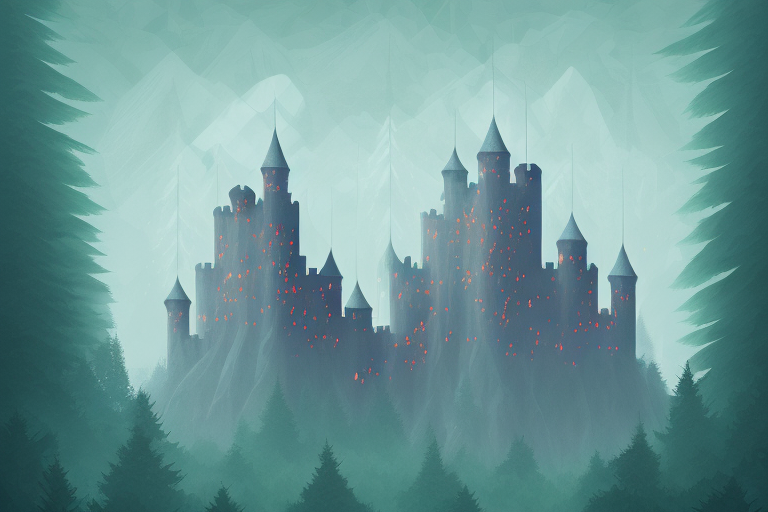
Cryptic secret societies have long been a staple in mystery and thriller novels, inspiring intrigue, suspense, and curiosity among readers. Author Lars Emmerich is well-known for his use of cryptic secret societies and their rivalries as a central theme in his novels, exploring the fascinating world of these secretive factions and the resulting conflicts that drive the plot forward. Let’s delve deeper into Lars Emmerich’s favorite mystery and thriller tropes and examine the various aspects of cryptic secret society rivalries that he incorporates into his works.
Exploring the Fascinating World of Cryptic Secret Societies in Mystery and Thriller Novels
Lars Emmerich often uses cryptic secret societies as the backbone of his stories, creating a wholly unique world within which his characters operate. Often, Emmerich’s secret societies will have a rich history and mythology tied to their actions, adding depth to the characters and plot. Emmerich’s exploration of these fictional secret societies gives us a glimpse into their beliefs, ideologies, power dynamics, and rituals which become integral to the characters’ motivations and actions. His writing style further accentuates the arcane nature of these societies, filling his pages with gothic symbolism, archaic language usage, and allegories that underscore the enigma that surrounds the societies and their objectives.
Moreover, Emmerich’s portrayal of secret societies often highlights the tension between their desire for secrecy and their need for influence and power. This tension creates a sense of danger and intrigue that keeps readers on the edge of their seats, wondering what the societies will do next and how the characters will react. Emmerich’s ability to balance the secrecy and power of these societies with the humanity of his characters is what makes his novels so compelling.
Finally, Emmerich’s exploration of secret societies also sheds light on the broader societal issues that these groups represent. From the Illuminati to the Freemasons, secret societies have long been associated with conspiracy theories and the idea of a shadowy elite controlling the world. Emmerich’s novels allow readers to explore these ideas in a safe and controlled environment, while also questioning the role of power and secrecy in our own society.
The Historical Significance of Secret Societies in Mystery and Thriller Literature
Secret societies have a long history that has been written about since ancient times. Lars Emmerich employs this heritage to great effect in his works while using his imagination to create his brand of riveting suspense. Secret societies have been used in the past as a means of exploring real-life power structures, and their associated rituals and beliefs have served as a rich source of inspiration for mystery and thriller novelists. Emmerich juxtaposes the historical significance with his fictionalized representation, resulting in layered stories that tap into a reader’s intellectual curiosity and imagination.
One of the reasons why secret societies continue to fascinate readers is their air of mystery and exclusivity. The idea of being part of a select group with hidden knowledge and power is alluring, and this is often reflected in the characters of mystery and thriller novels. Emmerich’s use of secret societies in his works adds an extra layer of intrigue to his stories, as readers are drawn into the world of the society and its members.
Furthermore, secret societies have also been used as a way to explore themes of morality and ethics. The secrecy and exclusivity of these groups often leads to questionable actions and decisions, and this provides a rich vein of material for authors to explore. Emmerich’s works often delve into these themes, presenting complex characters who are forced to confront their own beliefs and values in the face of the society’s demands.
The Evolution of Rivalry among Secret Societies in Modern Mystery and Thriller Novels
Lars Emmerich’s novels focus on the inevitable conflicts that arise between different factions of secret societies. These rivalries often take on a life of their own, with cult-like devotion for one’s chosen society. Emmerich highlights the importance of these rivalries by showing the effect they have on the characters, either as a driving force for the protagonist or an obstacle to overcome. Emmerich’s stories keep the reader engaged by visualizing and presenting these rivalries in imaginative ways while maintaining the suspense that comes with the protagonists seeking to overcome obstacles.
The Art of Creating Suspense: Lars Emmerich’s Techniques for Writing Gripping Thrillers
Lars Emmerich is known for his gripping storytelling skills, and he often uses his knowledge of the human psyche to accentuate the suspense in his novels. He employs a writing style that allows him to build tension and keep the readers guessing about what will happen next. Emmerich uses a combination of vivid imagery, cliffhangers, and compelling plot devices to keep his readers on the edge of their seats. His storytelling evolves the tension slowly, leading to an eventual explosive revelation that puts the story’s pieces together, riveting the reader to the end of the book.
Unveiling the Secrets of Lars Emmerich’s Cryptic Secret Society Rivalry in his Novels
Lars Emmerich’s novellas epitomise their name, with their forte being the small packaged, layered plots that delve deep into the intricacies of a cryptic secret society rivalries. Emmerich’s process of character development works towards creating a labyrinth of characters that navigates, and plot twists that keeps the readers guessing. The author adds an extra layer of depth to his stories by building mysteries around little things that an astute reader can pick up on. The cryptic nuances that bear little significance in the beginning come together towards creating an explosive ending that gives meaning to everything that has been explored in the story.
The Role of Characters in Cryptic Secret Society Rivalry: A Close Look at Lars Emmerich’s Protagonists and Antagonists
The characters in Lars Emmerich’s novels may come from different walks of life and may have different personalities, but they all share one thing in common; they are all shaped to navigate the complexities of cryptic societies. Emmerich’s approach to creating characters is to make them dynamic, with different motivations and ethical codes that conflict with one another, causing tension within the story, driving the plot. Often, Emmerich creates grey characters, blurring the line between the protagonist and the antagonist, often making the reader evaluate the decisions that the character makes more carefully.
The Impact of Cryptic Secret Society Rivalry on Plot Development in Mystery and Thriller Fiction
In Lars Emmerich’s novels, cryptic secret society rivalries propel the plot forward, motivating the characters to take various actions that lead the story to its eventual resolution. Emmerich uses these rivalries as plot devices to create a coherent and captivating storyline. Despite being cloaked in secretive shroud, Emmerich makes sure that the reader is aware that the society rivalry goes beyond only being a clash of interests. It has impact on the outside world, seeping into the real world in a way that keeps the reader’s interest this leads to the building of an expansive universe while exploring the characters’ day-to-day interactions.
Decoding the Symbolism and Imagery Used by Lars Emmerich to Portray Cryptic Secret Society Rivalries
Lars Emmerich uses language, archaic symbols, and allegories to showcase the secrecy associated with each society and its rivalries. He uses these symbols and imagery to represent the different aspects of the societies and their beliefs, hinting at their deeper meanings. Emmerich’s careful use of these symbols and imagery serve a dual purpose, providing bread crumbs to careful readers to pick up hidden meanings, making them feel more involved in the story and adding a postmodern depth that invites readers to engage with the realities the characters inhabit long after the story’s conclusion.
The Psychological Elements of Cryptic Secret Society Rivalries: An Analysis of Lars Emmerich’s Approach to Characterization
Lars Emmerich goes beyond surface-level motivations for his characters, capturing the nuances of human psychology. The societies’ rules and beliefs influence the character’s psyche, causing them to have varying levels of attachment to the said society, driving them towards going beyond the normative to achieve their motives. Emmerich explores the psychological impact of the societies on the characters, often painting a bleak picture with characters haunted by past actions and fears for future consequences. This approach towards characterization makes Emmerich’s novels more grounded and real, with an element of discomfort that makes the characters feel closer to the reader.
The Verdict
Lars Emmerich’s works are an excellent exemplar of mystery and thriller novels. The fictional secret societies he explores are well-crafted and gripping, with believable characters and intricate plots. The different tropes employed by the author blend with one another, creating an exhilarating ride that transcends the page, seeping into the reader’s psyche. Emmerich’s writing is meticulously planned, with layers of nuance that serve to inspire multiple readings of his books. This article only scratches the surface of what he has to offer and is a great introduction to his intriguing world of cryptic secret society rivalry.