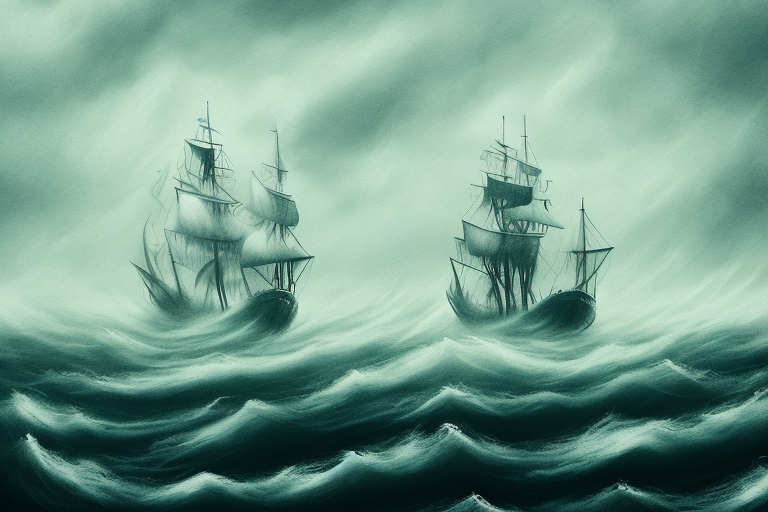
In the world of literature, mysteries and thrillers have established themselves as a beloved and intriguing genre. With tales of suspense, deception, and unexplained events, mystery and thriller novels transport readers to a fascinating and thrilling world of danger and intrigue. Lars Emmerich, a renowned mystery and thriller writer, has long been fascinated with the genre and its various tropes. In this article, we will delve into Emmerich’s favorite mystery and thriller tropes, with a particular focus on the legendary and cursed ghost ship.
Introduction: Exploring the World of Mystery and Thriller Tropes
Before we dive into Emmerich’s favorite tropes, let’s take a moment to understand what makes the mystery and thriller genre so appealing. At its core, this genre is all about creating suspense, intrigue, and tension. The characters are often faced with complex and seemingly impossible challenges that they must overcome, and the reader is drawn in by the sense of uncertainty and anticipation.
Additionally, the mystery and thriller genre often explores the darker aspects of human nature, such as greed, jealousy, and revenge. These themes can be both unsettling and captivating, as readers are able to explore the depths of the human psyche through the lens of a thrilling story. Furthermore, the genre allows for a wide range of settings and scenarios, from small towns to big cities, from ancient ruins to modern laboratories. This versatility allows for endless possibilities and keeps readers engaged and on the edge of their seats.
The Haunted Seas: The Fascinating Legend of Ghost Ships
One of the most intriguing tropes in the mystery and thriller genre is that of the ghost ship. It is a concept that has been around for centuries and has captured the imaginations of countless readers and writers. The idea is simple: a ship, crewed or abandoned, reappears long after its supposed fate has been sealed. These ships are often shrouded in mystery and superstition, and their appearance is often seen as a harbinger of doom.
While the concept of ghost ships may seem like pure fiction, there have been numerous reported sightings of these eerie vessels throughout history. One of the most famous examples is the Mary Celeste, a ship that was found abandoned in the Atlantic Ocean in 1872. The crew was nowhere to be found, and the ship’s cargo and supplies were left untouched. To this day, no one knows what happened to the crew of the Mary Celeste, and the mystery has inspired countless books and films.
The Curse of the Ghost Ship: A Common Plot Device in Mystery Novels
The cursed ghost ship is a popular plot device in mystery novels and can be used to great effect in building tension and suspense. In this trope, the ghost ship is said to be cursed and brings misfortune and destruction to anyone who encounters it. The ship’s past is typically shrouded in mystery, and there may be rumors of supernatural forces at play. The cursed ghost ship trope is used in a variety of ways, from being the primary focus of the story to simply serving as a foreboding presence that sets the tone for the narrative.
One of the most famous examples of the cursed ghost ship trope is the Flying Dutchman, a legendary ghost ship that is said to be doomed to sail the seas forever. According to the legend, the ship was captained by a man named Vanderdecken, who defied God and was cursed to sail the seas until Judgment Day. The Flying Dutchman has been featured in numerous works of literature, including Wagner’s opera of the same name and the Pirates of the Caribbean film series.
The Psychology of Fear: How Thriller Tropes Play on Our Emotions
One of the fascinating aspects of the mystery and thriller genre is how it plays on our emotions. Fear, anticipation, and uncertainty are common themes, and they are used to great effect to keep the reader engaged and invested in the story. The cursed ghost ship trope is particularly effective in this regard, as it taps into our fear of the unknown and our natural tendency to be wary of things that seem out of place or supernatural. By playing on these emotions, writers like Emmerich can create gripping and memorable tales that keep readers on the edge of their seats.
Another common trope in thrillers is the unreliable narrator. This technique involves a narrator who may not be telling the truth or may have a skewed perception of events. This creates a sense of uncertainty and doubt in the reader’s mind, as they try to piece together what is really happening. It also adds an extra layer of tension and suspense, as the reader is never quite sure if they can trust the narrator. This technique has been used in many popular thrillers, such as “Gone Girl” by Gillian Flynn and “The Girl on the Train” by Paula Hawkins.
The Art of Suspense: Techniques for Building Tension in Mystery Novels
Creating suspense is an art, and Emmerich is a master of the craft. There are many techniques that writers can use to build tension and create a sense of anticipation in their stories. For example, the use of short, choppy sentences can create a sense of urgency, while longer sentences can slow the pace and build anticipation. Emmerich also employs foreshadowing and other literary devices to keep readers guessing and engaged.
Another technique that Emmerich uses to build suspense is the strategic use of cliffhangers. By ending a chapter or section of the story with a dramatic event or revelation, readers are left wanting more and are eager to continue reading to find out what happens next. Additionally, Emmerich often creates complex and multi-layered characters, with hidden motives and secrets, which adds to the overall sense of mystery and intrigue in the story.
It’s important to note that building suspense is not just about creating a thrilling plot, but also about creating a sense of atmosphere and mood. Emmerich often uses vivid and descriptive language to set the scene and create a sense of foreboding or unease. By immersing readers in the world of the story and making them feel like they are a part of it, Emmerich is able to create a truly immersive and suspenseful reading experience.
Red Herrings and Plot Twists: Keeping Readers on the Edge of Their Seats
Another essential component of the mystery and thriller genre is the use of red herrings and plot twists. These devices are used to keep readers guessing and add a layer of complexity to the story. A red herring is a false clue or misdirection that leads the reader in the wrong direction, while a plot twist is a sudden and unexpected turn of events that upends the story’s expectations. By using these devices, writers like Emmerich can keep readers on their toes and make the story all the more thrilling.
The Role of Characters in Mysteries and Thrillers: From Heroes to Villains
Of course, no mystery or thriller would be complete without compelling characters. The characters in these stories play a variety of roles, from the brave hero to the cunning villain. Emmerich is well-versed in creating memorable characters that readers can root for (or against), and his skill in this area is one of the reasons why his stories are so beloved by readers worldwide.
Exploring Lars Emmerich’s Favorite Mystery and Thriller Tropes
We’ve covered a lot of ground so far, but now it’s time to delve into Lars Emmerich’s favorite mystery and thriller tropes. Emmerich has long been drawn to the cursed ghost ship trope and has used it to great effect in many of his novels. He is also a fan of the classic locked room mystery, where a crime is committed in a confined space, and the culprit must be one of the people inside. Emmerich’s ability to weave intricate and compelling stories around these tropes is one of the many reasons why he is such a beloved writer in the mystery and thriller genre.
Conclusion: Why We Love a Good Mystery or Thriller
As we come to the end of our exploration of Lars Emmerich’s favorite mystery and thriller tropes, it’s worth taking a moment to reflect on why we love this genre so much. Whether it’s the sense of suspense, the thrill of uncovering a mystery, or the satisfaction of seeing justice served, there is something undeniably appealing about a good mystery or thriller. And with talented writers like Emmerich at the helm, this genre shows no signs of slowing down any time soon.