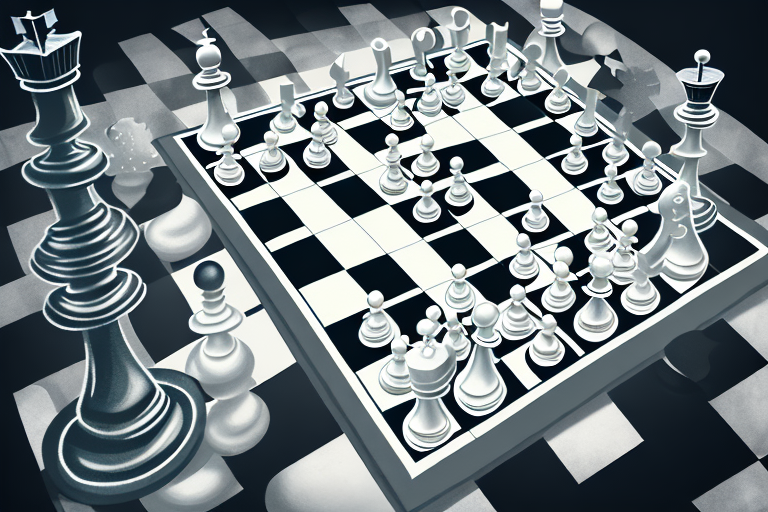
Mystery and thriller fiction has been captivating readers for centuries, with each new author bringing their unique twists and turns to keep us on the edge of our seats. Lars Emmerich, in particular, has proven himself to be a master of the genre, with his clever use of chess metaphor and unparalleled ability to build suspense. In this article, we will explore the origins of mystery and thriller tropes, Lars Emmerich’s favorite techniques, and the future of this ever-evolving genre.
Exploring the Origins of Mystery and Thriller Tropes
The roots of mystery and thriller fiction can be traced back to the ancient Greeks, who produced some of the first whodunits. Over the centuries, the genre has undergone numerous transformations and influences from various cultures and academics. The 1800s, for example, saw the rise of Edgar Allan Poe’s horror and detective stories, which would go on to inspire countless others. By the 1900s, the genre had morphed into the classic British “cozy” mystery, characterized by a closed circle of suspects and an amateur sleuth protagonist. This style was later transformed by the likes of Agatha Christie and her ingenuous plots that would pave the way for the traditional “whodunit” mystery story.
Meanwhile, a parallel development was taking place in the form of the thriller novel, which was characterized by high stakes, action, and suspense. The 1920s saw the rise of the “hard-boiled” private detective novel, popularized by authors like Raymond Chandler, while the 1960s brought about the era of the technological thriller, with works by Michael Crichton. Later works, such as those by Dan Brown, fused both mystery and thriller elements to develop a new sub-genre of mystery-thriller novels.
One of the most significant influences on the mystery and thriller genre has been the real-life crimes and investigations that have captured the public’s attention. The infamous Jack the Ripper case, for example, inspired numerous works of fiction and helped to popularize the detective story. Similarly, the Watergate scandal of the 1970s had a profound impact on the thriller genre, with many authors using political corruption and conspiracy as central themes in their works. Today, true crime podcasts and documentaries continue to inspire new works of fiction and non-fiction in the mystery and thriller genre.
How Chess Plays a Role in Lars Emmerich’s Writing
Lars Emmerich is renowned for his use of chess metaphor and symbolism in his works. The game of chess, with its strategy, tactics, and psychological warfare, is used to create intricate plots and character dynamics. Emmerich credits his love for chess to his grandfather, who taught him the game as a child. The chessboard, with its black and white pieces, serves as a perfect analogy for the battle between good and evil that transpires in his stories. His writing techniques involving chess provide a fascinating insight into how this trade can be transformed into a literary spectacle.
Emmerich’s use of chess in his writing is not limited to just metaphor and symbolism. He also incorporates the game itself into his stories, often using it as a plot device or a way to reveal character traits. In one of his novels, a chess game between two characters becomes a pivotal moment in the story, revealing their true intentions and motivations.
Furthermore, Emmerich’s love for chess extends beyond his writing. He is an avid player and has even competed in local tournaments. He believes that playing chess helps him to sharpen his strategic thinking and problem-solving skills, which in turn, enhances his writing abilities. Emmerich’s passion for chess is evident in both his personal life and his literary works, making him a unique and fascinating author to follow.
The Art of Building Suspense: Tips from Lars Emmerich
One of the things that make Lars Emmerich’s writing stand out is his ability to build and sustain suspense. Readers are kept on their toes, with every chapter ending on a cliffhanger. When asked about his techniques for creating suspense, Emmerich emphasized the importance of pacing. He explained that too much action and tension can be overwhelming for the reader, as they are not given a chance to catch their breath. Instead, he opts for a slow and steady buildup, leading the reader to expect that something significant may happen at any moment. Another key technique is the use of misdirection, where the audience’s attention is redirected from the true object of their attention.
Characters That Keep You Guessing: Lars Emmerich’s Favorite Tropes
Characters play a vital role in any mystery and thriller story. They are the ones who unravel the plot, keeping readers engaged and intrigued until the very end. Emmerich has a particular affinity for characters who keep readers guessing – those who seem one way on the surface but may have hidden motives. He says he is also fascinated by characters who face moral dilemmas, characters who change as they progress through the story. This avenue of character development allows for the readers to empathize with the protagonist throughout their journey and generates a sense of indecision within readers as to who to root for until the story’s end.
How to Write a Page-Turning Mystery or Thriller: Lessons from Lars Emmerich
Writing a good mystery or thriller novel is not an easy task. According to Lars Emmerich, the key to success lies in proper structure. He believes that every story should have well-developed plot points along with surprises that maintain reader intrigue. His advice to new authors is to outline their plot thoroughly, focusing on creating opportunities for suspense-building. While twists and turns need to be present, authors should ensure that every detail they include is essential to the story and that each plot point is impactful. By doing this, authors can keep readers engaged and invested in the story until the very end.
The Importance of Plot Twists in Mystery and Thriller Fiction
Plot twists are one of the essential components of mystery and thriller fiction. They allow the author to subvert readers’ expectations, keeping them on the edge of their seats throughout the book. When executed correctly, plot twists add complexity to both the plot and the characters, making the story much richer. Lars Emmerich believes that a plot twist should be well-timed – appearing as a complete surprise but in hindsight, making sense. This keeps the reader engaged, trying to predict what will happen next, while providing an excellent payoff when the twist is revealed.
The Role of Setting and Atmosphere in Creating Suspense
The setting and atmosphere in which the story takes place are essential ingredients in building suspense. The mood and ambience of a place affect the characters and their actions, ultimately advancing the story forward. Lars Emmerich believes that the setting should work hand in hand with the characteristics of the characters, enabling them to interact and react believably. He suggests that authors should create detailed descriptions of the different settings, including the smells, sounds, and the temperature of each location. These little details can add depth to your story and keep it engaging to readers.
Top Mistakes to Avoid When Writing a Mystery or Thriller
Writing a mystery or thriller can be challenging, with various unknowns that can seem daunting. Mistakes can be made that can lead to lackluster storytelling and, ultimately, less than an enjoyable reading experience. Lars Emmerich points out two common mistakes writers should avoid. The first is to introduce unnecessary characters that do not add value to the plot. Every character should be integral to the story. The second mistake is focusing too much on the plot and not enough on character development, leading to lack of empathy from the readers.
The Future of Mystery and Thriller Fiction: Predictions from Lars Emmerich
The mystery and thriller genre continues to remain popular, with continuous growth in the market. Lars Emmerich, a gifted mystery writer predicts the trend will be with a new hybrid subgenre that pulls elements from all the preceding genres. He thinks hybrid genres, combining elements from science-fiction, romance, fantasy, and western literature, will gain prominence in the future and give an entirely new twist to the mystery-thriller genre. He also foresees a rise in the interactive sub-genre that combines gaming and fiction. Undeniably, the future holds a lot of exciting possibilities for mystery and thriller readers and writers.
In conclusion, Lars Emmerich’s mastering of chess as an art has brought a unique flavor to the mystery and thriller genre, winning him numerous accolades and recognition. His writing style brings out the beauty of storytelling and speaks of an era of undisputable mastery in the art. His teachings give us insights into the body of knowledge on which every new mystery or thriller writer can use as reference material, helping to grow the genre to even greater heights.