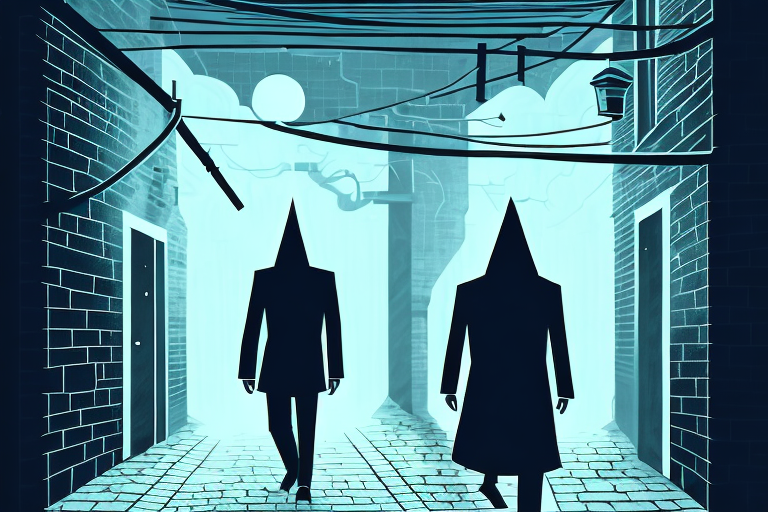
Lars Emmerich is a renowned author of mystery and thriller novels, who has gained a massive following due to his unique storytelling style. His novels are full of suspense, twists, and turns that keep readers on the edge of their seats until the very end. Central to his writing are several tropes that he favors and uses to great effect. In this article, we will explore Lars Emmerich’s favorite mystery and thriller tropes and how he utilizes them in his novels.
An Introduction to Lars Emmerich and his Works
Lars Emmerich is a New York Times bestselling author of mystery and thriller novels. His books are known for their intricate plots, well-crafted characters, and suspenseful storytelling. His works have garnered a dedicated fanbase, and he is considered one of the leading authors in the genre. Some of his notable works include The Disgraced Detective series, The Cold War Trilogy, and The Forgotten Fiction series.
Emmerich’s writing career began in the early 2000s, after he left his job as a lawyer to pursue his passion for writing. His first novel, The Fallen Angel, was published in 2003 and received critical acclaim. Since then, he has published over a dozen novels, with many of them being adapted into successful movies and TV shows.
In addition to his writing, Emmerich is also a philanthropist and has been involved in various charitable organizations. He is a strong advocate for literacy and has donated a portion of his book sales to support literacy programs in underprivileged communities. Emmerich is also a supporter of animal rights and has worked with several animal welfare organizations to raise awareness and funds for their cause.
A Brief History of Mystery and Thriller Tropes
Mystery and thriller novels have been around for centuries, and they have evolved over time. The genre has its roots in Gothic literature, which was popular in the 18th and 19th centuries. Gothic literature featured dark, brooding characters, and spooky settings. It also employed supernatural elements to create suspense and horror.
In the early 20th century, mystery and thriller novels began to take a more realistic approach. Authors like Agatha Christie and Arthur Conan Doyle created detective characters like Hercule Poirot and Sherlock Holmes, respectively. These detectives were intelligent, logical, and used their wits to solve crimes. Mystery and thriller novels became popular during this time, with authors creating complex plots, multiple suspects, and red herrings to keep readers guessing.
In the mid-20th century, the mystery and thriller genre began to incorporate more psychological elements. Authors like Patricia Highsmith and Daphne du Maurier explored the darker side of human nature, creating characters who were not always easy to sympathize with. These authors also experimented with unreliable narrators and non-linear storytelling, adding to the complexity of the genre.
The Role of the Disgraced Detective in Mystery and Thriller Novels
In Lars Emmerich’s works, the disgraced detective is a central trope. The disgraced detective is a character who has fallen from grace due to a mistake or misjudgment in the past. This character often has a troubled past, and his vices and flaws make us question his morality and reliability. However, the disgraced detective is still a brilliant mind with a deep understanding of human nature. He is often the only one who can solve the case, despite his personal demons. This character type adds another layer of complexity to the plot and keeps readers invested in the story.
Moreover, the disgraced detective often serves as a reflection of society’s flaws and failures. Through this character, authors can explore themes of redemption, forgiveness, and the consequences of one’s actions. The disgraced detective’s journey towards redemption can be a powerful and emotional arc that resonates with readers. Additionally, the character’s flaws and mistakes can serve as a cautionary tale, reminding readers of the importance of accountability and responsibility.
Exploration of the Antihero Character in Emmerich’s Novels
Another central trope in Lars Emmerich’s works is the antihero character. The antihero is a protagonist who lacks traditional heroic qualities, such as morality, courage, and selflessness. They are often flawed, unconventional, and have a tendency to act outside the law. This type of character is not inherently evil, but they often find themselves in morally gray situations, where their choices determine their fate. The antihero is a fascinating character type that adds depth and unpredictability to the story.
One of the most notable antihero characters in Emmerich’s novels is Jack, the main character in “The Outsider.” Jack is a former criminal who is trying to turn his life around, but his past keeps catching up with him. He is a complex character who struggles with his own demons while trying to do the right thing. Emmerich’s portrayal of Jack is both sympathetic and realistic, making him a compelling character to follow.
Another interesting aspect of Emmerich’s use of the antihero character is how it reflects society’s changing values. In the past, heroes were often portrayed as perfect, flawless beings who always did the right thing. However, in today’s world, people are more accepting of characters who are flawed and make mistakes. Emmerich’s use of the antihero character reflects this shift in values and makes his novels more relatable to modern audiences.
The Importance of Setting the Scene: A Discussion on Location and Atmosphere in Emmerich’s Works
Lars Emmerich sets his novels in various locations, often utilizing atmosphere to create suspense and tension. The settings in his works have a palpable sense of danger, with claustrophobic spaces and rugged landscapes adding to the feeling of unease. His use of locations such as abandoned buildings, forgotten towns, and remote islands adds an element of isolation and unknown danger. The atmosphere is just as important as the characters themselves, with the setting creating a sense of dread and anticipation, setting up the plot’s eventual reveal.
In addition to his use of location and atmosphere, Emmerich also employs vivid descriptions of the natural world to enhance the mood of his stories. Whether it’s the oppressive heat of a desert or the bone-chilling cold of a winter storm, Emmerich’s attention to detail in describing the environment adds a layer of realism to his works. The weather and natural surroundings become characters in their own right, influencing the actions and decisions of the human characters. This attention to detail not only adds depth to the story but also immerses the reader in the world Emmerich has created.
The Use of Red Herrings to Keep Readers Guessing
One of the most popular tropes in mystery and thriller novels is the use of red herrings. A red herring is a false clue intentionally inserted into the plot to mislead the reader. It creates a sense of confusion and doubt, leading readers down the wrong path. Lars Emmerich employs this trope in his novels to great effect. His use of red herrings is subtle, but they serve to keep readers guessing, making the eventual reveal even more satisfying.
The Art of Plot Twists: How Emmerich Keeps Readers on Edge
Plot twists are an essential element of mystery and thriller novels, and Lars Emmerich is a master of this trope. He employs intricate plot twists, making the story unpredictable and keeping readers engrossed. His twist endings are both surprising and satisfying, with clues revealed in a clever, logical manner. His use of plot twists is a testament to his skill as a writer, and his fans have come to expect unexpected turns in his stories.
Writing Compelling Characters: Tips from Lars Emmerich
Lars Emmerich’s characters are the lifeblood of his novels, and he spends considerable time and effort crafting them. His characters are flawed, relatable, and have a level of depth that makes them feel real and three-dimensional. According to the author, his characters are often inspired by real people, with their quirks and traits helping to create a sense of authenticity. Lars Emmerich places great importance on creating realistic characters, giving them detailed backstories that influence the plot and their actions.
Why Readers Love Lars Emmerich’s Mystery and Thriller Novels
Lars Emmerich’s novels are beloved by readers around the world, and there are several reasons for this. Firstly, his novels are consistent in quality, with intricate plots, memorable characters, and suspenseful pacing. Secondly, he appeals to readers who enjoy complex and intelligent mysteries without relying on overused tropes and cliches. Thirdly, his works create a sense of anticipation and tension that keeps readers engrossed and invested in the story. Ultimately, Lars Emmerich’s skill as a writer and his love for the genre make him one of the best mystery and thriller authors of his generation.