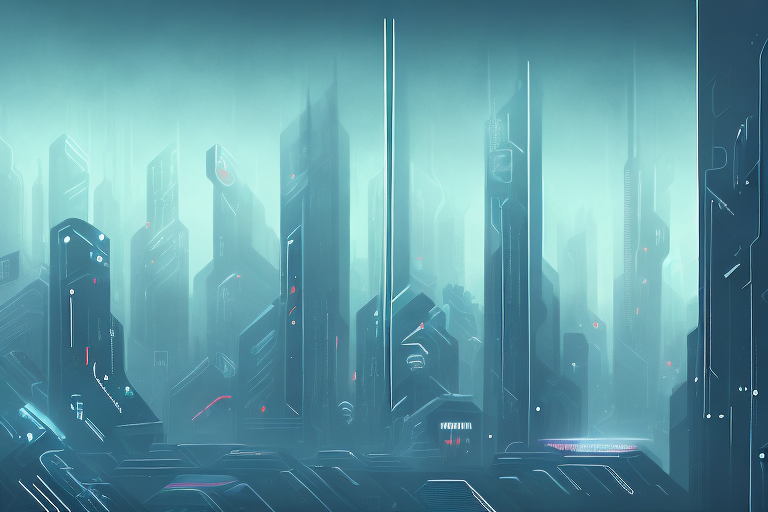
Dystopian fiction is an ever-popular genre that has stood the test of time. The idea of a society that is bleak, oppressive, and drastically different from our own is something that has fascinated readers for decades. This fascination has only grown in recent years with the proliferation of popular dystopian movies and TV shows such as The Hunger Games, Black Mirror, and The Handmaid’s Tale. They’re just some of the fine examples of how dystopia is becoming a dominant genre in the entertainment industry.In this article, we’ll be exploring Lars Emmerich’s favorite mystery and thriller tropes within the dystopian genre. A renowned author, Lars Emmerich is known for his enthralling and thought-provoking novels that incorporate dystopian themes and motifs. We’ll be looking at 12 subheadings that will help us dive into the world of dystopian fiction and understand why it has become such a popular genre today.
Introduction to Dystopian Fiction and its Significance in the Mystery and Thriller Genre
Dystopian fiction is one of the most exciting genres to read, study, and analyze. It has a wide-reaching impact on readers across the globe. Dystopian literature is fiction that takes place in a society that is undesirable or frightening. The world in which these fictional societies exist is often characterized by oppressive government control, social inequality, and catastrophic environmental changes. Dystopian fiction is essential in the mystery and thriller genre because it creates tension with a setting that is drastically different from our own world. It allows authors to tackle controversial issues and push readers to think about how society is run and how it might look in the future.
One of the most significant aspects of dystopian fiction is its ability to reflect the fears and anxieties of contemporary society. Many dystopian novels are written as cautionary tales, warning readers about the dangers of unchecked power and the consequences of societal apathy. These stories often explore themes such as the loss of individual freedom, the dangers of technology, and the consequences of environmental degradation.
Moreover, dystopian fiction has become increasingly popular in recent years due to its ability to capture the attention of young adult readers. Many of the most successful dystopian novels, such as The Hunger Games and Divergent, have been adapted into blockbuster movies and have gained a massive following among young readers. These novels often feature strong, independent protagonists who challenge the status quo and fight against oppressive regimes, making them particularly appealing to young readers who are navigating their own paths to independence and self-discovery.
The Role of Technology in Dystopian Societies
Technology plays a crucial role in the creation of dystopian societies. Technology can be used as a tool of control by governments to manipulate and monitor their citizens; a thought-provoking concept that plays a significant role in the dystopian genre. Technological advancement is also a key factor in creating the oppressive nature of these societies. Advanced technology has facilitated a range of unprecedented advances that have led to greater surveillance and monitoring technology. As readers read stories using this aspect, we see how technology can be both man’s greatest tool and most significant enemy.
The Psychology of Characters in Dystopian Fiction
The psychology of characters in dystopian fiction is an area that is of great importance. Dystopian literature often explores how individuals respond to living in oppressive societies. We see characters who reject or are unaware of their oppression, characters who view the oppressive society as their only means of survival, and characters who fight against the system. The psychology behind each character’s decision to follow or resist the system speaks to the nature of humanity and how we react to extreme circumstances.
The Importance of World-Building in Dystopian Fiction
World-building is a vital element of dystopian fiction. The world in which the characters live has to be well-crafted and developed to give the reader a tangible sense of the society’s unique features. The world in dystopian fiction is often a vital character unto itself, and without proper world-building, the story might lack the crucial immersion required to capture the reader’s imagination.
The Use of Fear and Control in Dystopian Societies
Fear and control are essential elements in dystopian societies. They’re used to maintain the oppressive government’s structure by keeping the citizens submissive, often through public executions and public shaming. Fear and control are also utilized to maintain a sense of order. The idea of stringent control is rarely a far-fetched idea as we see its application in some regions of the world. By going through Dystopian literature, one can understand how the government can manipulate the emotions of its people and how fear can be used as a tool to hold onto power.
Exploring Themes of Rebellion and Resistance in Dystopian Fiction
Rebellion and resistance are two pervasive themes in dystopian fiction. The idea of overthrowing an oppressive system is one that resonates with readers from all walks of life. Dystopian literature allows authors to explore this theme in-depth as they pose daring questions such as, “Is it worth rebelling against the system even if it means risking one’s life?”. This theme opens up a range of interesting questions on the morality and justification of our actions against oppressive rulers.
How Dystopian Fiction Reflects Real-life Societal Issues
Dystopian fiction often reflects real-life societal issues. The problems faced in a dystopian society are often extrapolations of issues we face regularly in our world. Social inequality is a common theme in dystopian fiction, and the state of government corruption and bureaucratic dysfunction has clear connections to our current political environment. Writers can create stories that would help raise discussions on some of today’s societal issues that might lead to active solutions.
The Evolution of Dystopian Fiction Over Time
Dystopian fiction has evolved significantly over time. In recent years, dystopian literature has become more sophisticated and nuanced, with a greater focus on character development and narrative subtlety. Authors of dystopian fiction today are more likely to incorporate real-world issues into their stories, and the environment in which the story’s plot unfolds is often more morally ambiguous. Additionally, Dystopian fiction is no longer viewed as a simple story of good versus evil. Evolution in popular genres is a reflection of how society changes over time.
Common Elements and Tropes Found in Lars Emmerich’s Favorite Mysteries and Thrillers
Lars Emmerich’s favorite mysteries and thrillers often incorporate a range of common elements and tropes found in dystopian fiction. These include ominous government organizations engaging in secretive operations, characters with unique abilities who challenge the system, and societies living under the constant threat of destruction. The blend of these themes, character conflicts, and plot twists often make for gripping stories that keep readers engaged till the end.
Analysis of Specific Works by Lars Emmerich that Incorporate Dystopian Themes
Lars Emmerich’s works are examples of dystopian fiction texts that shed light on contemporary societal issues. In novels such as The Making of a President, he tackles the issue of a corrupt government that prioritizes only a select few. With other works like Pandora’s Succession and The Sixth Extinction, Lars Emmerich explores the consequences of technological advancement and man’s insatiable desire for power.
How Lars Emmerich’s Writing Influences the Future of Dystopian Fiction
Lars Emmerich’s writing has played an essential role in shaping the future of dystopian fiction. His works showcase the importance of the elements we have explored above to craft compelling, thought-provoking stories. The themes of government corruption, societal inequality, and environmental changes are all vital elements of dystopian fiction that Lars Emmerich has incorporated, and it continues to influence future writers who want to captivate and immerse their readers.
Conclusion
Dystopian fiction plays a pivotal role in the mystery and thriller genre and is of great interest to readers and writers alike. The genre contributes greatly to our understanding of contemporary issues and offers an escape for readers who enjoy exploring the extremes of the human experience. Throughout this article, we’ve explored the various elements that make up dystopian fiction— reviewing their application and significance in Lars Emmerich’s favorite mysteries and thrillers, which are stories with a range of nefarious schemes and characters existing in bleak and foreboding societies that demand plenty of discussion. When done right, dystopian fiction offers a powerful medium for storytelling and insight into the strengths, virtues, and failings that exist within every society.