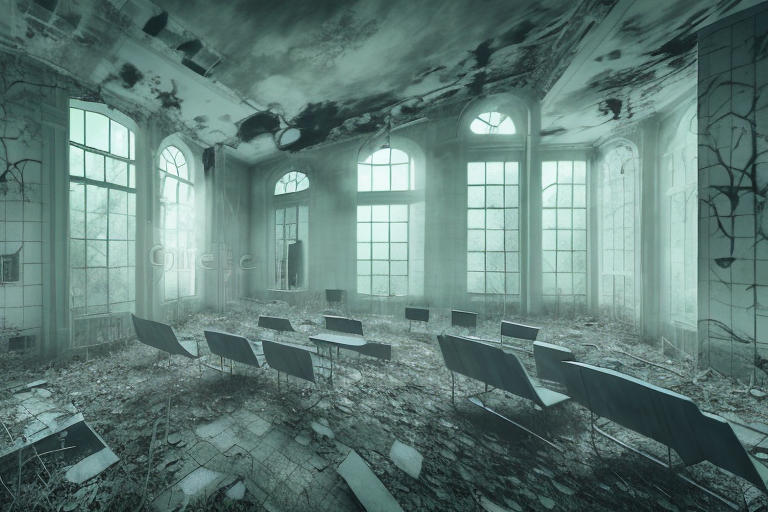
Have you ever found yourself swept away by a chilling mystery or a gripping thriller that kept you on the edge of your seat until the very end? You’re not alone. Many readers love the thrill of being scared, and Lars Emmerich is no exception. The bestselling author is famous for his mastery of mystery and thriller tropes, and one of his favorites is the haunted abandoned orphanage. But what is it about this setting that captures our imaginations so vividly?
Exploring the Appeal of Mystery and Thriller Tropes
The mystery and thriller genres have long captivated readers with their intricate plots, surprising twists, and unforgettable characters. Whether it’s a classic whodunit or a psychological thriller, these genres have a way of keeping us guessing until the very end. At their best, they weave complex narratives that challenge our perceptions of reality and make us question what we think we know. And at the heart of many of these stories lies a common setting: the abandoned orphanage.
The abandoned orphanage is a trope that has been used in countless mystery and thriller stories, and for good reason. It provides a perfect backdrop for suspense and intrigue, with its dark and eerie atmosphere, hidden secrets, and potential for danger lurking around every corner. The idea of a group of characters exploring an abandoned orphanage, trying to uncover its secrets and solve a mystery, is a classic setup that never fails to captivate readers. From classic novels like Jane Eyre to modern thrillers like The Orphanage, this setting continues to be a popular choice for mystery and thriller writers.
The Allure of Abandoned Places: Why they Fascinate Us
There’s something eerie and captivating about abandoned places. Maybe it’s the way nature reclaims what was once built by humans. Maybe it’s the sense of isolation and desolation that lingers in the air. But whatever the reason, abandoned places have a hold on our imaginations like few other locations can. It doesn’t matter if it’s an old, dilapidated house or an entire town, the sheer sense of mystery and discovery that comes from exploring these places is thrilling.
Furthermore, abandoned places offer a glimpse into the past and the lives of those who once inhabited them. They can tell a story of a bygone era, revealing the architecture, fashion, and technology of a different time. Exploring these places can also spark our curiosity and imagination, as we try to piece together the history and events that led to their abandonment. It’s a chance to step back in time and experience a different world, even if only for a moment.
The History of Orphanages and their Haunted Reputation in Popular Culture
Orphanages have been a staple of popular culture’s imagination for years. Despite their noble purpose of caring for children without parents, they’ve often been characterized as dark, creepy places that are home to ghostly apparitions and mysterious happenings. This reputation is heightened by their often austere architecture and the sometimes traumatic experiences that their residents endured. It’s no wonder that orphanages have taken on a life of their own in the world of mystery and thriller fiction.
However, it’s important to note that not all orphanages have a haunted reputation. Many have provided a safe and nurturing environment for children in need. In fact, the history of orphanages dates back to ancient times, with evidence of their existence found in ancient Greece and Rome. In the United States, orphanages became more prevalent in the 19th century, as a result of the Industrial Revolution and the increase in urbanization. While some orphanages were run by religious organizations, others were privately funded or operated by the government. Today, the need for orphanages has decreased, as more children are placed in foster care or adopted. However, the legacy of orphanages and their haunted reputation in popular culture continues to fascinate and intrigue us.
The Psychology of Fear: Why We Love to Be Scared
What is it about fear that draws us in? From haunted houses to horror movies, humans have been seeking out fear-inducing experiences longer than we can remember. But why do we do this? On one level, fear is a natural response to perceived danger, and it keeps us alert and alert to potential threats. But on another level, we’re drawn to fear because of the thrill. Our bodies produce adrenaline and other chemicals that provide a rush akin to a drug high, and it’s this rush that keeps us coming back for more.
Moreover, fear can also be a way for us to confront and overcome our own anxieties and fears in a safe environment. By experiencing fear in a controlled setting, such as a horror movie or a haunted house, we can learn to manage our own emotions and reactions to fear. This can translate to real-life situations where we may encounter fear or anxiety, allowing us to better cope and handle those situations.
Analyzing the Role of Setting in Creating Suspenseful Stories
When it comes to crafting suspenseful stories, setting is a crucial element. Whether it’s a quiet cabin in the woods or a bustling city, the location can shape the characters and their actions in profound ways. An abandoned orphanage, for example, can be a treasure trove of secrets waiting to be uncovered. It can be a reminder of a character’s past and an indicator of the dangers that lurk just around the corner. A skilled writer can use the setting to heighten tension and create a sense of unease that will keep the reader guessing until the end.
From Gothic Castles to Ghost Towns: Common Settings in Horror Fiction
Abandoned orphanages are just one of many settings commonly used in horror and thriller fiction. Gothic castles, creepy woods, and ghost towns are just a few that come to mind. While each setting has its unique characteristics, they all serve a similar purpose: to create a mood of suspense and unease that keeps readers on their toes. Expertly crafted settings can help elevate a story and draw readers in with even greater intensity.
The Art of Foreshadowing: How to Keep Readers on Edge
Foreshadowing is a technique used by writers to hint at what’s to come in the story. It can be as subtle as a character mentioning something out of the ordinary, or as obvious as a storm brewing on the horizon. In either case, the effect is the same: it keeps readers on edge, constantly guessing what’s coming next. In a thriller, this is especially vital, as it helps build tension and ups the stakes for the characters.
Demystifying the Mystery Genre: Subgenres and Their Unique Characteristics
The mystery genre is vast and varied, with subgenres ranging from cozy mysteries to hard-boiled detective stories. Regardless of the specific subgenre, however, each mystery story shares certain characteristics. There’s an unsolved crime, a hero tasked with solving it, and a series of clues and red herrings that lead them closer to the truth. But each subgenre has its unique twists and turns, and it’s up to the writer to deliver a story that meets the expectations of the reader.
Crafting Memorable Characters in a Thriller: Dos and Don’ts
In a thriller, the characters are just as important as the plot. A hero or villain that’s well-rounded and interesting can elevate a story beyond the ordinary, while one that’s flat and dull can sink the entire narrative. That’s why it’s essential for writers to pay close attention to the characters they create. There are certain dos and don’ts that can help writers craft more memorable characters that readers will connect with, and it’s crucial to keep these in mind throughout the writing process.
The Haunted Abandoned Orphanage: The Perfect Setting for a Thriller
At its core, the haunted abandoned orphanage is the perfect setting for a thriller. It combines the eerie atmosphere of an abandoned place with the haunted past of the children who once lived there. It’s a place where secrets are hidden behind every door and around every corner, and a skilled author can use this setting to create a story that will keep readers guessing until the very end. Lars Emmerich certainly knows how to harness the power of this trope, and it’s one that’s sure to continue captivating readers for years to come.