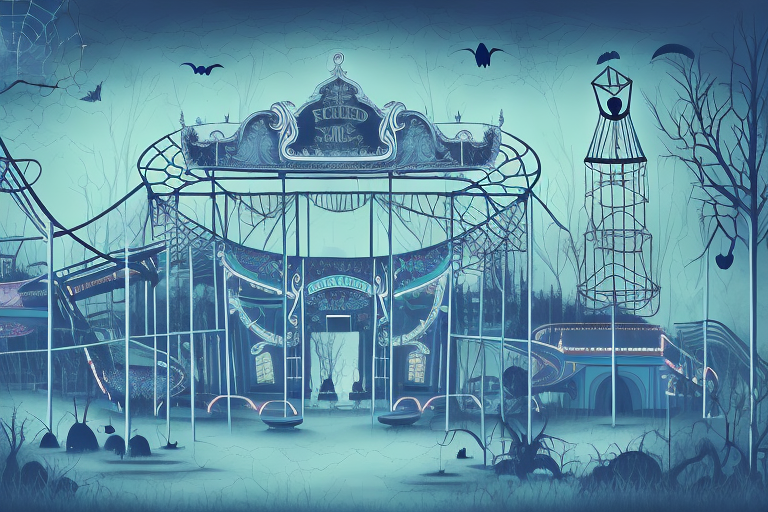
When it comes to mystery and thriller fiction, few tropes are as enduring and beloved as the haunted amusement park. From classic literature to modern interpretations, this particular setting has captivated authors and readers alike, and for good reason.
Introduction to Lars Emmerich and his love for mystery and thriller tropes
Lars Emmerich is a prominent author in the mystery and thriller genre and has made a name for himself by expertly weaving together tropes and elements from this exciting and suspenseful genre. One of his favorites is the haunted amusement park, which he has used as a setting in several of his own works. In this article, we’ll explore the reasons why Emmerich and other authors find this trope so compelling and examine how it has evolved over time.
Emmerich’s fascination with the haunted amusement park trope stems from his childhood memories of visiting such parks with his family. He recalls feeling both thrilled and terrified by the eerie atmosphere and the possibility of encountering ghosts or other supernatural entities. As an adult, he has channeled these emotions into his writing, creating stories that capture the same sense of excitement and fear that he experienced as a child.
However, Emmerich is not the only author who has been drawn to this trope. Many other mystery and thriller writers have also used haunted amusement parks as settings for their stories, including Stephen King, R.L. Stine, and Dean Koontz. This suggests that the trope has a universal appeal that transcends individual authors and their personal experiences. In the following sections, we’ll delve deeper into the reasons why this trope has become such a staple of the mystery and thriller genre and how it has evolved over time.
The allure of the haunted amusement park in mystery and thriller literature
The combination of the high-energy atmosphere of an amusement park with the eerie and potentially dangerous presence of haunting makes for a unique and thrilling setting. The potential for danger and opportunity for mystery in one place is a perfect recipe for a gripping story. The amusement park setting provides a place for the author to dangle clues, set up red herrings, and lead the reader along an intriguing path towards the story’s resolution.
Furthermore, the amusement park setting allows for a diverse cast of characters, from thrill-seeking teenagers to jaded carnival workers, all with their own secrets and motives. This creates a rich tapestry of personalities and relationships that can add depth and complexity to the story.
Additionally, the haunted amusement park can serve as a metaphor for the darker aspects of society, such as corruption, greed, and exploitation. By exploring these themes through the lens of a haunted amusement park, authors can comment on the state of the world in a way that is both entertaining and thought-provoking.
Exploring the history and origins of amusement park hauntings in literature
The use of amusement parks as a setting in mystery and thriller fiction can be traced back as far as Edith Nesbit’s 1912 ghost story, “Man-Size in Marble,” which featured a haunted statue in a local amusement park. Other iterations of this trope in classic literature include Ray Bradbury’s “Something Wicked This Way Comes” and Agatha Christie’s “By The Pricking Of My Thumbs.”
However, the popularity of amusement park hauntings in literature really took off in the 1980s and 1990s, with the rise of horror movies set in amusement parks, such as “Carnival of Souls” and “The Funhouse.” This trend continued into the 2000s with the release of the popular horror video game series, “Silent Hill,” which features an abandoned amusement park as a major setting.
Today, amusement park hauntings remain a popular theme in literature and media, with recent examples including the Netflix series “Stranger Things,” which features a haunted amusement park in its third season, and the horror movie “Hell Fest,” which takes place entirely within a haunted amusement park.
The role of setting and atmosphere in creating a chilling reading experience
The setting and atmosphere of a haunted amusement park are critical components of a great, spine-tingling story. The combination of an amusement park’s excitement and the supernatural element of ghosts or evil beings can help create a sense of unease that ratchets up with each passing paragraph. The clowns, ferris wheels, and cotton candy become infused with an ominous pallor that elevates the suspense, leaving the reader on the edge of their seat.
Furthermore, the use of sensory details in describing the setting and atmosphere can enhance the reader’s experience. The creaking of the old wooden roller coaster, the smell of burnt popcorn, and the flickering lights of the carnival games all contribute to the eerie ambiance. By immersing the reader in the sensory experience of the haunted amusement park, the author can create a more vivid and memorable reading experience that will stay with the reader long after they finish the story.
How authors use character development to heighten suspense in haunted amusement park stories
The best examples of this trope in literature feature characters that experience fleshed-out character arcs. The character’s experiences in the amusement park setting speak to a deeper exploration of their psyche and relate to an overarching theme within the story. These character developments create empathy and attachment, keeping readers invested as the tension and danger escalate. In other words, the people placed within the perilous situation help the reader feel the stakes and tension in the story.
The use of supernatural elements in haunted amusement park tales
Another hallmark of the haunted amusement park trope is the supernatural element, often in the form of ghosts, spirits, or otherworldly entities. The supernatural component adds an extra layer of intrigue to the story and allows for heightened levels of tension and suspense. This can be particularly effective when it’s unclear whether the events unfolding are real, imagined, or fall somewhere in between.
Analyzing the different types of villains found in these stories, from ghosts to serial killers
The villains in a haunted amusement park story can be as varied as the types of rides offered. While often supernatural in origin, these villains can range in form from vengeful spirits to serial killers. Regardless of how the villain is presented, the presence of one or more menacing beings in the park enhances the feeling of unease and danger for both the characters and the reader.
The evolution of haunted amusement park stories over time – from classic literature to modern interpretations
The haunted amusement park trope has taken on many iterations throughout the years, from early works of horror fiction to modern thrillers. While the core elements of the trope remain the same, the way that authors approach the setting has changed with the times. The classic approach involved horror through the lens of gothic romance or eerie grotesque images, whereas modern writers use a range of methods from psychological horror to found footage media.
The impact of pop culture on the haunted amusement park trope
Over time, the representation of amusement parks in popular culture has fluctuated, and this has undoubtedly affected our perception of the setting within a mystery or thriller context. The trope of the haunted amusement park exists as a sub-genre of the larger horror and supernatural fiction genre. With the proliferation of movies and television shows like “Stranger Things” and “American Horror Story,” it is clear that this setting is once again experiencing a true revival.
Lars Emmerich’s top recommended mystery and thriller reads featuring haunted amusement parks
For those looking to dive into this exciting and chilling trope, Emmerich has a few recommendations. One favorite, “Joyland” by Stephen King, weaves a thrilling coming-of-age story with a haunted amusement park setting. Another excellent choice is the suspenseful “The Funhouse” by Dean Koontz, a classic novel that has retained its popularity due to its masterful use of the amusement park trope.
Conclusion: Why the Haunted Amusement Park remains a beloved trope in mystery and thriller fiction
For authors and readers alike, the haunted amusement park trope continues to be a favorite. It provides a perfect setting to combine drama and intrigue, allowing readers to become fully invested in the characters and their plight. Whether in classic literature or modern adaptations, the allure of the haunted amusement park remains an enduring mystery and thriller trope that will continue to captivate readers and inspire authors for years to come.