Mystery and thriller genres have been captivating readers for decades, luring them into the world of darkness and suspense. The thrill of the unknown and an adrenaline rush of fear keep readers turning pages. What makes a mystery or thriller novel truly memorable, however, are the tropes that the author employs. Lars Emmerich, a prolific mystery and thriller writer himself, has favorites that he often incorporates into his own works. In this article, we will explore the appeal of mystery and thriller genres, the common tropes found in the literature, and Lars Emmerich’s favorite picks for novels with unique twists.
Exploring the appeal of mystery and thriller genres
The mystery and thriller genres have a universal appeal that extends beyond borders, languages, and cultures. The fear of the unknown is a common human experience, and readers often find solace in confronting it through fictional narratives. The thrill of discovering secrets, solving puzzles, and piecing together clues keep readers engaged and invested throughout the entire narrative. Furthermore, the tension and suspense that these genres create offer readers a release from their mundane reality, providing them with a sense of escapism.
Moreover, mystery and thriller novels often provide readers with a unique perspective on the world around them. These genres often delve into the darker aspects of society, such as crime, corruption, and betrayal. By exploring these themes, readers are able to gain a deeper understanding of the world they live in and the people who inhabit it. Additionally, mystery and thriller novels often feature complex characters who are forced to confront their own flaws and weaknesses. This allows readers to empathize with the characters and see the world from a different point of view.
Common tropes found in mystery and thriller literature
Mystery and thriller novels often employ common tropes such as a detective or protagonist who is an outsider, red herrings, plot twists, false accusations, and the importance of setting. These tropes have become a staple of the genre and contribute greatly to the suspense and intrigue of the narrative. They keep the reader guessing and create a visually striking world that is both haunting and alluring.
Another common trope found in mystery and thriller literature is the use of unreliable narrators. These narrators may intentionally or unintentionally mislead the reader, adding an extra layer of complexity to the story. This technique can create a sense of unease and uncertainty, as the reader is forced to question the truthfulness of the narrator and the events they are describing. Unreliable narrators can also add depth to the characters and their motivations, making the story more engaging and thought-provoking.
The role of setting in creating a haunting atmosphere
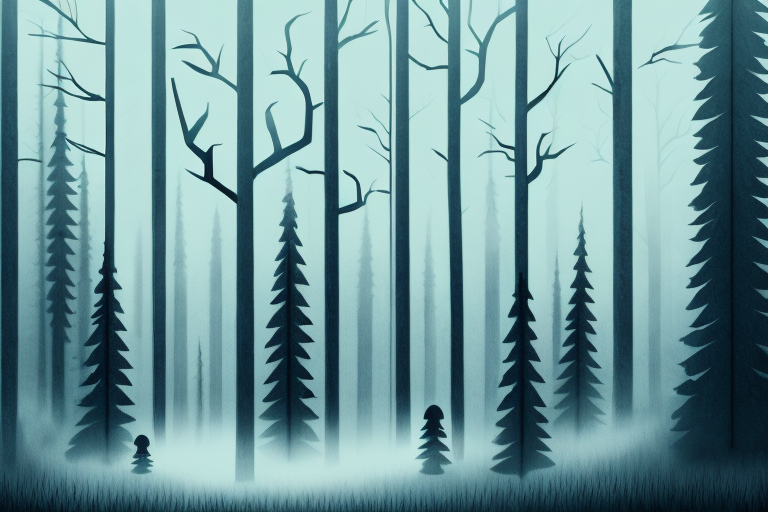
The setting in mystery and thriller literature is often a critical aspect of the story. It’s not just a mere backdrop; the setting can be transformed into a character in its own right. The cabin in the woods trope, for instance, is a popular setting among thriller writers. It is a secluded location, and its remoteness enhances the feeling of dread and isolation that readers associate with the genre. Furthermore, the dialogue between setting and the other elements of the narrative such as characters and plot creates a haunting atmosphere that readers find irresistible.
Another important aspect of setting in creating a haunting atmosphere is the use of sensory details. The description of the setting should appeal to the reader’s senses, such as the smell of decaying leaves, the sound of creaking floorboards, or the feel of dampness in the air. These sensory details help to immerse the reader in the story and make them feel as if they are experiencing the setting themselves.
Moreover, the setting can also be used to reflect the psychological state of the characters. For example, a dark and gloomy setting can mirror the protagonist’s feelings of despair and hopelessness. Alternatively, a bright and sunny setting can contrast with the dark themes of the story, creating an eerie and unsettling atmosphere. By using the setting in this way, authors can deepen the reader’s understanding of the characters and their motivations, while also adding to the overall sense of unease and tension in the story.
Analyzing the significance of the cabin in the woods trope
The cabin in the woods trope, in particular, has a rich history in literature. It has frequently served as a symbol of both safety and danger. The appeal of this trope comes from the contrasting emotions that it elicits. On the one hand, the seclusion of the cabin can provide refuge from the outside world, and on the other hand, it can also be a place of danger. The cabin’s isolation and vulnerability often create an environment that is ripe for conflict, mystery, and unexpected plot twists.
One of the earliest examples of the cabin in the woods trope can be found in Henry David Thoreau’s “Walden.” Thoreau’s cabin represented a rejection of society and a return to nature. This idea of the cabin as a place of solitude and self-discovery has been explored in many works of literature since then.
However, the cabin in the woods trope has also been used to explore darker themes. In horror literature and film, the cabin often represents a place of evil or supernatural activity. The isolation of the cabin can create a sense of claustrophobia and helplessness, making it the perfect setting for a terrifying story.
Examining the use of ghosts and supernatural elements in thrillers
A common element of the mystery and thriller genres is often a supernatural presence such as ghosts, spirits, or paranormal activities. These elements add an extra dimension of horror, making the narrative even more alluring to readers who enjoy being spooked. However, authors must be careful while incorporating these supernatural elements into their stories. Too much focus on the supernatural can take away from the mystery and suspense, detracting from the allure of the narrative.
The impact of psychological suspense on readers
Psychological suspense is another aspect of the genre that has gained a lot of traction. It deals with the mental and emotional manipulation of the reader, often through unreliable narrators, complex characters, and unreliable or deceptive plotting. Psychological suspense plays on the reader’s emotions, using their imaginations and fears to heighten the sense of uncertainty and tension. Psychological suspense is a trend that Emmerich readily embraces in his own writing.
Lars Emmerich’s top picks for mystery and thriller novels with unique twists
As a successful mystery and thriller author, Lars Emmerich has his own favorites that he often looks to in terms of inspiration. Among his favorites is “Gone Girl” by Jillian Flynn, a novel that uses psychological suspense to create an unforgettable mystery. Another one of his top picks is “The Silence of the Lambs” by Thomas Harris, a classic that features one of the all-time great villains in literature, Hannibal Lecter. Emmerich also recommends “The Girl on the Train” by Paula Hawkins and “The Usual Suspects” by Christopher McQuarrie.
The evolution of mystery and thriller literature over time
Mystery and thriller literature have evolved with time. These genres have seen changes in writing style, themes, and motifs. As the world we live in changes, so does our literature. Pop culture, technology, and real-world events influence these genres, giving them a fresh perspective. With the current trend of the domestic thriller, mystery and thriller genres have become even more intriguing, often delving into issues of family, relationships, and societal expectations.
How authors balance between maintaining suspense and delivering satisfying endings
One of the most challenging aspects of writing in the mystery and thriller genres is maintaining suspense while also delivering a satisfying and logical ending. It’s a delicate balance that many authors struggle with. Readers want to be surprised, but they also don’t want to be left feeling unsatisfied. Authors like Emmerich rely on their storytelling instincts to find that sweet spot between keeping readers on their toes and tying up all the loose ends.
In conclusion, mystery and thriller genres offer readers a sense of escapism, and the tropes employed in these genres keep readers engaged throughout the narrative. Authors like Emmerich use these tropes to create haunting worlds that linger with readers long after the last page has been turned. Through the incorporation of psychological suspense, the use of unique settings and twists, and their mastery of storytelling, Emmerich and other authors continue to push the boundaries of the mystery and thriller genres, creating unforgettable stories that readers will enjoy for years to come.