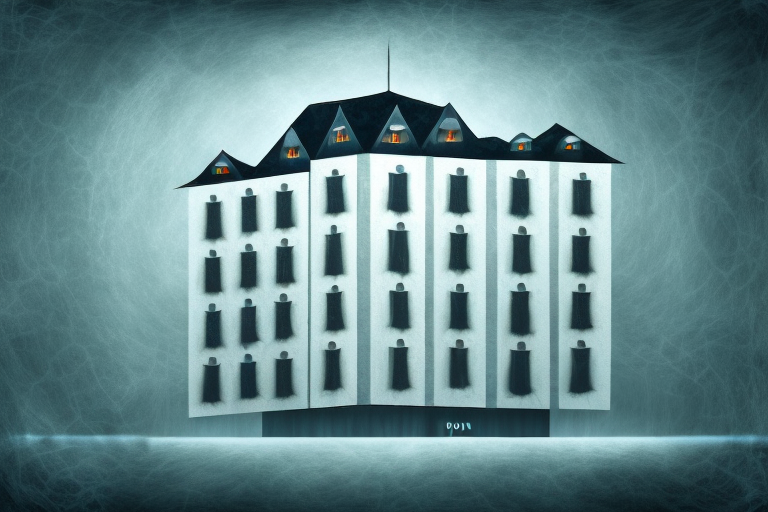
Mystery and thriller genres have long captivated readers and viewers alike, and within these genres, there are certain tropes that have become fan-favorites. One particular trope that has stood the test of time is the haunted hotel. Lars Emmerich, a renowned author and expert in mystery and thriller fiction, shares his insights into why this trope is one of his favorites.
Why Lars Emmerich loves mystery and thriller genres
Lars Emmerich has been a fan of mystery and thriller genres since he was a young boy, and it is the innate sense of intrigue and suspense that draws him particularly to these genres. He notes that there is something alluring about the unknown and the unpredictability of the plot that always keeps him on the edge of his seat. For him, the challenge of writing and reading mystery and thriller genres lies in keeping the readers engaged and sustaining the suspense until the very end.
In addition to the suspense and intrigue, Lars also appreciates the intellectual challenge that comes with these genres. He enjoys trying to solve the mystery alongside the characters and often finds himself analyzing the clues and trying to piece together the plot before the big reveal. This mental exercise, he believes, keeps his mind sharp and engaged.
Understanding the haunted hotel trope in mystery and thriller fiction
The haunted hotel trope is one that is frequently used in mystery and thriller fiction. The central premise of the trope is that a hotel, often in a remote or isolated location, is haunted by ghosts, spirits, or other supernatural entities. The main characters are usually trapped in the hotel and must face the ghosts, who can be malevolent, benign, or simply misunderstood.
One reason why the haunted hotel trope is so effective in mystery and thriller fiction is that it creates a sense of isolation and claustrophobia. The characters are often cut off from the outside world, with no means of escape, which heightens the tension and suspense. Additionally, the hotel itself can become a character in its own right, with its dark history and secrets adding to the overall sense of unease. This trope also allows for exploration of themes such as guilt, regret, and redemption, as the ghosts may be seeking revenge or trying to communicate a message to the living.
How the haunted hotel trope has evolved over time
Over the years, the haunted hotel trope has evolved from being a simple ghost story to being a much more complex plot device. In modern retellings, the trope is often intertwined with other genres such as science fiction or psychological thrillers. The ghosts are no longer just scary apparitions but are often used as a metaphor for characters’ inner demons. According to Lars Emmerich, this evolution of the trope is a testament to the enduring popularity of the trope and its ability to adapt to changing reader and viewer preferences.
One of the most significant changes in the haunted hotel trope is the shift in focus from the hotel itself to the characters who inhabit it. In earlier versions, the hotel was the central character, and the ghosts were merely there to haunt it. However, in modern retellings, the hotel is often used as a backdrop to explore the characters’ motivations and relationships. This shift has allowed for more complex and nuanced storytelling, making the trope more engaging and relatable to audiences.
The psychology behind our fascination with haunted hotels
One of the main reasons that haunted hotels have become such a popular trope is that they tap into our primal fear of the unknown. The isolation, darkness, and unfamiliar surroundings of a hotel make for the perfect setting to create suspense and tension. Additionally, the supernatural element of the trope plays into our fascination with the afterlife and unexplained phenomena. It is this combination of fear and intrigue that keeps readers and viewers coming back for more.
Another reason why haunted hotels are so intriguing is that they often have a rich history and are associated with famous or infamous individuals. Guests may feel a sense of connection to the past and the people who once stayed in the same rooms. The idea of encountering a ghostly apparition or experiencing a paranormal event in a place with such a storied past can be thrilling.
Furthermore, the popularity of haunted hotels can also be attributed to the rise of paranormal investigation shows and the internet. With the abundance of information available online, it is easier than ever to research and learn about haunted locations. This has led to an increase in people seeking out these places and sharing their experiences with others. The media has also played a role in promoting the haunted hotel trope, with countless movies, TV shows, and books featuring spooky hotels as a central theme.
Popular examples of the haunted hotel trope in literature and film
Some of the most famous examples of the haunted hotel trope can be found in both literature and film. Stephen King’s “The Shining” is perhaps the most well-known example of the trope in literature, while movies such as “Psycho” and “The Bates Motel” have made the haunted hotel trope a staple of the horror film genre. More recent examples include the Netflix series “The Haunting of Hill House,” which takes the haunted hotel trope in a new and exciting direction.
Another popular example of the haunted hotel trope is the novel “1408” by Stephen King, which was later adapted into a film starring John Cusack and Samuel L. Jackson. The story follows a skeptical writer who stays in a supposedly haunted hotel room and experiences terrifying supernatural events. Additionally, the horror film “Vacancy” features a couple who check into a remote motel, only to discover that the room they are staying in has been used for snuff films.
The role of setting in creating suspense and tension in mystery and thriller novels
As noted earlier, the setting of a haunted hotel is crucial in creating suspense and tension in mystery and thriller novels. The unfamiliar surroundings, isolation, and potential dangers all serve to heighten the sense of fear and intrigue. However, the setting is not the only tool used to create suspense and tension in these genres. Other elements such as plot twists, red herrings, and unreliable narrators all play their part in keeping readers guessing and on the edge of their seats.
Common themes and motifs in mystery and thriller genres
While there are many tropes and themes that are unique to mystery and thriller genres, there are certain common motifs that recur throughout them. These include, among others, the use of controversial and polarizing topics as the central theme, the creation of multidimensional characters with flaws and hidden agendas, and the use of unconventional narrative techniques to create a sense of confusion and disorientation.
How to incorporate the haunted hotel trope into your own writing
If you are interested in incorporating the haunted hotel trope into your own writing, it is essential first to have a clear understanding of the tropes and themes that make this trope so effective. You should also familiarize yourself with the common motifs and techniques used in mystery and thriller genres. Once you have a grasp of these fundamentals, you can use your own creativity to develop a unique and captivating plot that will keep your readers enthralled from beginning to end.
The impact of technology on modern mystery and thriller storytelling
Technology has had a significant impact on modern mystery and thriller storytelling, with authors and filmmakers using the latest advancements to create innovative and exciting stories. Digital technologies have enabled authors to reach larger audiences through online publishing and advertising. Additionally, CGI technology has made it easier for filmmakers to create realistic special effects that add to the drama and suspense of the plot. However, with the use of technology comes a need to balance it with traditional storytelling techniques to ensure that the plot remains engaging and relevant to readers and viewers alike.
Overall, the haunted hotel trope is one that has captivated readers and viewers for generations. With its ability to tap into our primal fears and desires, it is no wonder that it has become a staple of mystery and thriller genres. By understanding the fundamentals of this trope and incorporating it into your own writing, you too can create stories that will keep your readers guessing and entertained until the very end.