When it comes to the mystery and thriller genre, Lars Emmerich is a name that many readers associate with complex plotlines, suspenseful twists, and memorable characters. As a seasoned writer in this genre, Emmerich has mastered the art of crafting compelling stories that grip readers until the very end. One of the reasons why Emmerich’s work is so successful is because he has a deep understanding of the tropes and techniques that make mystery and thriller novels so immersive and enjoyable.In this article, we will be exploring Lars Emmerich’s favorite mystery and thriller tropes. Whether you are an aspiring writer looking to learn more about the craft, or a mystery enthusiast who wants to know more about the elements that make these stories so captivating, this article will provide a comprehensive analysis of the key techniques that Emmerich uses to create his hauntingly brilliant novels.
Exploring the Role of Setting in Mystery and Thriller Novels
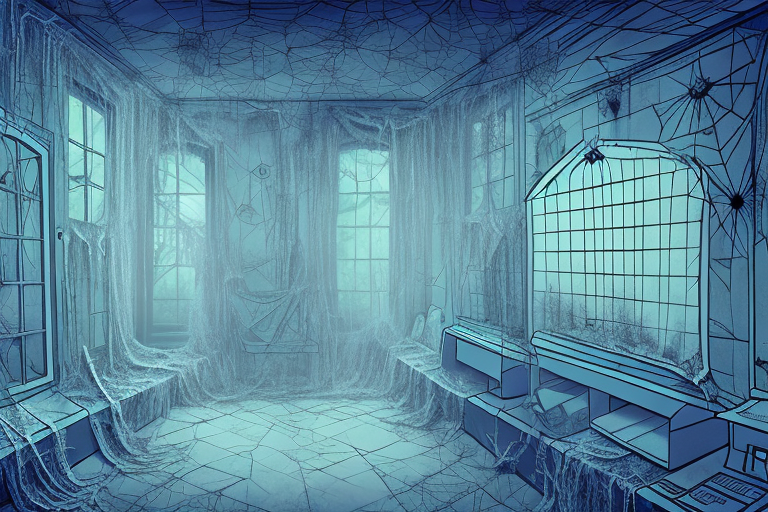
One of the most essential elements of a mystery or thriller novel is the setting. As Emmerich himself notes, the setting can serve as an anchor for a story, creating a sense of place that anchors readers in the world of the book.In Emmerich’s novels, the setting is often a character in itself, whether it is the dilapidated mansion in the woods, or the bustling city streets at night. By creating a vivid and evocative sense of place, Emmerich is able to imbue his stories with a haunting atmosphere that draws readers in and makes them feel like they are right there, experiencing the story alongside the characters.
Moreover, the setting can also play a crucial role in the plot of a mystery or thriller novel. For instance, a remote island or a deserted cabin in the woods can isolate the characters and create a sense of claustrophobia, making them more vulnerable to danger. On the other hand, a crowded city or a busy airport can add to the tension and confusion of a chase or a pursuit scene.
Furthermore, the setting can also reflect the mood and tone of the story. A dark and gloomy setting can create a sense of foreboding and suspense, while a bright and sunny setting can create a false sense of security and lull the characters and readers into a false sense of calm before the storm hits. Therefore, the setting is not just a backdrop for the story, but an integral part of it, shaping the characters, plot, and atmosphere of the novel.
The Art of Building Suspense: Techniques Used in Popular Mystery and Thriller Novels
Another key aspect of Emmerich’s writing is his ability to build suspense. One of the most effective techniques used to create suspense is the use of cliffhangers, where a dramatic event occurs that leaves readers on the edge of their seats, eager to find out what happens next.Emmerich also uses foreshadowing to great effect, dropping small hints and clues throughout the story that build tension and anticipation. By hinting at what is to come, Emmerich is able to create a sense of unease that keeps readers engaged and invested in the story.
In addition to cliffhangers and foreshadowing, Emmerich also employs the technique of pacing to build suspense. He carefully controls the speed at which the story unfolds, alternating between moments of intense action and slower, more introspective scenes. This creates a rollercoaster effect, where readers are taken on a thrilling ride of emotions and anticipation. By manipulating the pace of the story, Emmerich is able to keep readers hooked and invested in the outcome.
Analyzing the Psychological Elements of a Thriller Storyline
Another technique that Emmerich employs in his writing is the use of psychological elements to create tension and suspense. By delving deep into the psyche of his characters, Emmerich is able to craft stories that are both thrilling and psychologically complex.In Emmerich’s novels, characters often struggle with dark thoughts and emotions, and the plot is driven by their internal struggles as much as by external events. This emphasis on the psychological elements of the story makes Emmerich’s work stand out from other mystery and thriller novels, and adds a rich layer of complexity to his writing.
The Importance of Character Development in Crafting a Compelling Mystery Novel
One of the most important aspects of Emmerich’s writing is his ability to create complex, multifaceted characters. In Emmerich’s novels, characters are not simply stock figures, but are fully realized individuals with their own hopes, fears, and motivations.By taking the time to develop his characters in this way, Emmerich is able to create stories that are both engaging and emotionally resonant. Readers are invested in the fates of Emmerich’s characters and care deeply about what happens to them, which makes the stakes feel high and the suspense all the more intense.
The Use of Red Herrings in Mystery and Thriller Writing: A Closer Look
Another key technique used by Emmerich is the use of red herrings, where a false lead or clue is introduced to throw readers off the trail. By using red herrings, Emmerich is able to keep readers guessing and engaged, as they try to untangle the web of clues and lies that he has woven.Of course, not all red herrings are created equal, and Emmerich is careful to use them in a way that feels organic and believable. By carefully crafting the story around the red herrings, he is able to deceive readers in a way that feels satisfying and plausible.
The Role of Dialogue in Creating Tension and Suspense in a Thriller Plot
Lastly, Emmerich’s writing is marked by his use of dialogue to create tension and suspense. By interspersing dialogue with action and description, he is able to bring his characters to life and make their interactions feel real and immediate.At times, Emmerich’s dialogue is terse and laconic, packed with meaning and implication. At other times, it is more expansive and reflective, allowing readers to delve deeper into the thoughts and motivations of his characters. By using dialogue in this way, Emmerich is able to create a sense of pace and urgency that propels the story forward and keeps readers hooked.
Examining the Use of Foreshadowing in Popular Mystery and Thriller Novels
Another key technique used by Emmerich is the use of foreshadowing. In his novels, Emmerich often hints at what is to come, dropping subtle clues and hints throughout the story that keep readers guessing and invested in the plot.By using foreshadowing in this way, Emmerich is able to create a sense of anticipation that builds throughout the story, culminating in a satisfying and surprising conclusion. Whether it is a small detail revealed early on in the story, or a larger plot twist that is hinted at, Emmerich’s use of foreshadowing is always effective and well-executed.
Analyzing the Different Types of Plot Twists Found in Mystery and Thriller Writing
Lastly, Emmerich’s work is marked by his use of plot twists. Whether it is a shocking revelation about a character’s past or a sudden plot twist that turns the story on its head, Emmerich’s plot twists always feel fresh and surprising.Perhaps the most impressive thing about Emmerich’s use of plot twists is that they feel organic and earned, rather than forced or contrived. By setting up the story and characters in a way that makes the twist feel believable and inevitable, Emmerich is able to create satisfying and memorable endings that stick with readers long after they finish the book.
The Haunted Wax Museum: An In-Depth Analysis of Lars Emmerich’s Favorite Mystery and Thriller Tropes
In conclusion, Lars Emmerich’s favorite mystery and thriller tropes are marked by their complexity, nuance, and attention to detail. By using a range of techniques to create compelling characters, intricate plots, and haunting settings, Emmerich is able to craft stories that are both thrilling and psychologically rich.Whether you are a fan of mystery and thriller novels or simply want to learn more about the craft of writing, there is much to be gained from studying Emmerich’s work. From the use of setting and dialogue to the importance of character development and the role of red herrings, Emmerich’s writing is a masterclass in the art of mystery and thriller writing.