As an acclaimed author in the mystery and thriller genres, Lars Emmerich has undoubtedly mastered the art of weaving together suspense, thrills, and intrigue to create compelling narratives. Throughout his versatile career, Emmerich has explored various themes such as politics, espionage, and of course, the paranormal. In this article, we’ll be delving deeper into Emmerich’s favorite mystery and thriller tropes, exploring why they are so effective, and offering insights into how aspiring writers can incorporate these techniques into their own writing.
Exploring the Fascination with the Paranormal in Fiction
Since the early days of storytelling, humans have been fascinated with the idea of the paranormal. From mythical creatures like dragons, to ghosts and ghouls, there’s something inherently captivating about the unknown and the supernatural. Emmerich has successfully tapped into this fascination, weaving paranormal elements into his novels such as the “Harry Briscombe” series and “Pentalogy”. When done effectively, introducing elements of the paranormal can add a unique layer to a story and engage readers’ imagination, invoking fear and intrigue in equal measure. That said, it’s important to balance these elements with a strong plot and believable characters, or else risk detracting from the story’s overall impact.
One reason for the enduring popularity of paranormal fiction is its ability to explore deeper themes and emotions. By using supernatural elements, authors can delve into topics such as mortality, the afterlife, and the human psyche in a way that traditional fiction cannot. For example, in Emmerich’s “Pentalogy”, the character of Sarah grapples with the idea of life after death after experiencing a near-death experience. This allows the reader to contemplate their own beliefs and fears surrounding death, adding a layer of depth to the story. Overall, the fascination with the paranormal in fiction is not just about scares and thrills, but also about exploring the human experience in a unique and thought-provoking way.
The Art of Crafting a Compelling Mystery Plotline
One of the defining features of a great mystery or thriller novel is a plotline that keeps the reader guessing until the very end. Emmerich is a master of this craft, creating intricate and complex plots that keep readers on the edge of their seat. The key to crafting a compelling mystery is to carefully plant clues and red herrings throughout the story, leading the reader down a path of discovery that ultimately leads to an exciting and unexpected conclusion. It’s also important for writers to think about their audience, ensuring that the plotline is appropriate for their readership’s reading level, interests, and expectations.
Another important aspect of crafting a compelling mystery plotline is to create well-developed and interesting characters. Readers need to care about the characters in order to become invested in the story and its outcome. It’s important to give each character a unique personality, backstory, and motivation that will keep the reader engaged and interested in their role in the mystery.
Finally, a great mystery plotline should also have a strong sense of setting and atmosphere. The setting should be described in detail, creating a vivid and immersive world for the reader to explore. The atmosphere should be tense and suspenseful, adding to the overall feeling of mystery and intrigue. By carefully crafting all of these elements, writers can create a mystery plotline that will keep readers guessing until the very end.
Understanding the Role of Suspense in Thriller Novels
Suspense is a crucial element in any thriller novel, and Emmerich is no stranger to building tension and excitement in his readers. From high stakes action scenes to nail-biting suspenseful passages, Emmerich keeps readers engaged and on the edge of their seat throughout his books. However, there’s a fine balance between building suspense and dragging out the storyline to the point of frustration. Writers should aim to create a steady pacing that gradually builds tension throughout the story, with well-timed climaxes and resolutions that keep readers satisfied and eager to turn to the next page. At the same time, it’s important to offer moments of respite from the tension to avoid overwhelming readers with constant suspense.
One effective way to create suspense is to use foreshadowing. Foreshadowing is a literary device that hints at what’s to come, creating a sense of anticipation and unease in the reader. It can be as subtle as a character’s offhand comment or as overt as a dream sequence. By planting these clues throughout the story, writers can keep readers guessing and engaged, wondering how events will unfold. However, it’s important not to overuse foreshadowing, as too much can spoil the surprise and make the story predictable. A delicate balance between foreshadowing and surprise is key to creating a truly suspenseful thriller novel.
The Importance of Setting in Creating a Chilling Atmosphere
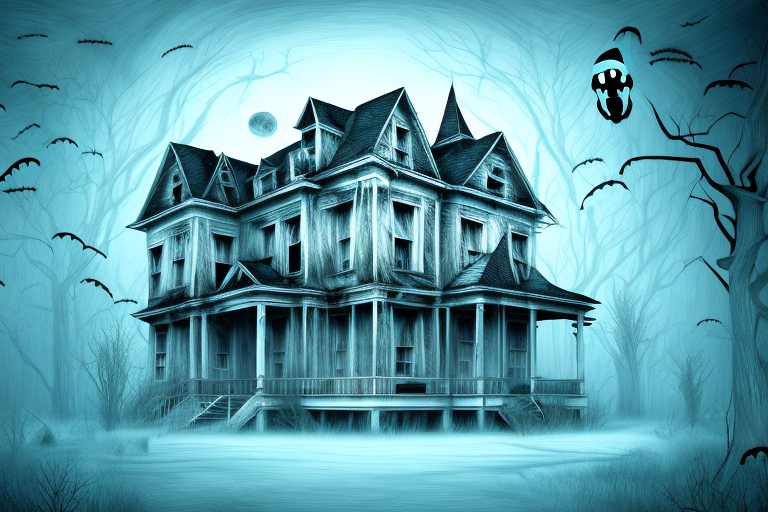
Another key aspect of a good thriller novel is setting. Emmerich often sets his books in atmospheric and evocative locations, such as the abandoned mental institution in “Pentalogy”. These locations are not only vital to the storyline but also add an extra layer of terror and suspense to the story. Similarly, writers should aim to create a vivid and immersive setting that not only sets the scene but also complements the overall mood and tone of the story. This can be done through using descriptive language, highlighting sensory details, and incorporating elements of the supernatural to create an eerie and unsettling atmosphere.
Analyzing the Psychology of Fear and its Impact on the Reader
Underlying all successful thriller novels is a deep understanding of the psychology of fear and its impact on the reader. Emmerich is a master of tapping into readers’ deepest fears and anxieties, using this knowledge to create truly chilling and terrifying stories. Writers should aim to understand their audience’s fears and motivations, using this to create an emotional connection with readers. By creating characters that readers can relate to and root for, writers can then use these characters’ fears and vulnerabilities to create a more immersive and impactful reading experience.
Examining the Use of Red Herrings to Mislead and Surprise Readers
Red herrings are a classic tool in the mystery and thriller genres, used to mislead and surprise readers. Emmerich skillfully uses this technique in his novels, introducing characters or plotlines that appear important but later turn out to be irrelevant or deceptive. This keeps readers on their toes and adds an extra layer of intrigue to the overall story. When using red herrings, writers should aim to make them believable and connected to the overall plotline, so as not to appear cheap or gimmicky.
The Evolution of Paranormal Tropes over Time
The paranormal has been a staple of storytelling for centuries, with different tropes and elements evolving over time. Emmerich’s work is a testament to this evolution, with his use of paranormal elements varying across his different series. As writers, it’s important to stay abreast of current trends and audience expectations, while also being mindful of classic tropes that have stood the test of time. By adapting and playing with these tropes, writers can create unique and engaging stories that resonate with readers.
The Role of Technology in Modern Thriller Novels
In the digital age, technology has become a crucial aspect of modern thriller novels. Emmerich’s work often explores the impact of technology on society and how it can be used for good or evil. As writers, it’s important to embrace technology and its potential impact on the plotline, while also being mindful of its potential limitations and drawbacks. By exploring the dynamic between humans and technology, writers can create engaging and thought-provoking stories that resonate with modern audiences.
Finding Inspiration for Your Own Mystery and Thriller Writing
Finally, for aspiring writers, finding inspiration for your own mystery and thriller writing can be a difficult feat. Emmerich himself draws inspiration from a range of sources, including real-life events, news stories, and even his own dreams. Writers should aim to be observant and curious, gathering inspiration from their everyday life and environment. At the same time, it’s important to read widely and analyze the techniques and tricks used by successful thriller writers like Emmerich. By studying and emulating their style, while also adding your unique voice and perspective, writers can create compelling and impactful mystery and thriller novels.
Overall, Lars Emmerich’s favorite mystery and thriller tropes are not only captivating and engaging but also serve as valuable lessons for aspiring writers. From the use of paranormal elements to the importance of pacing and setting, Emmerich’s work highlights the many aspects that go into crafting a successful thriller novel. By studying and emulating these techniques, writers can hone their own skills and create stories that keep readers on the edge of their seat from beginning to end.