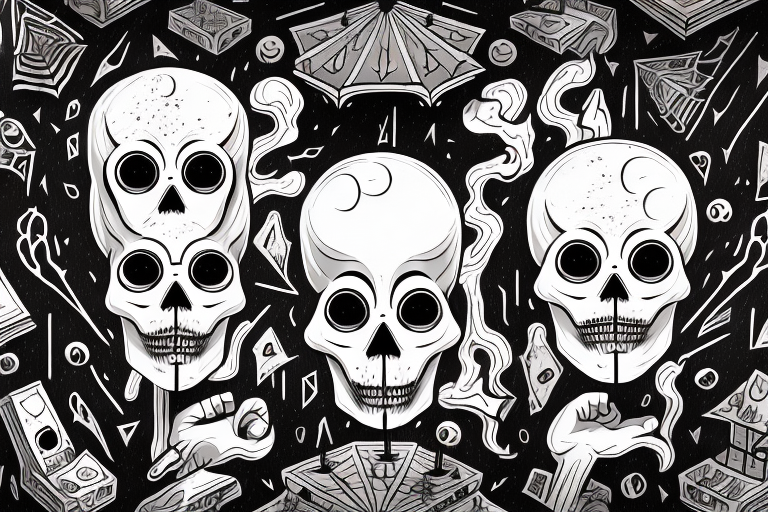
Mystery and thrillers have fascinated readers for generations. The genre provides a sense of adventure, intrigue, suspense, and excitement, pulling readers into intricate plots that make them wonder, “whodunit?” or “what will happen next?” Lars Emmerich, a popular mystery and thriller writer, is no stranger to playing with readers’ minds. Emmerich’s favorite tropes are seeped in mystery, darkness and suspense. In this article, we will explore the sinister world of Lars Emmerich’s favorite mystery and thriller tropes, including the power of suspense, foreshadowing, setting, and unreliable narrators. So, buckle up and get ready for a ride into the dark and twisted world of Emmerich’s stories.
The Power of Suspense: How Thrillers Keep You on the Edge of Your Seat
Suspense is one of the most potent tools in a thriller writer’s arsenal, and Lars Emmerich knows how to use it to maximum effect. Suspense is created by withholding critical information from the reader, forcing them to wait and question, “what happens next?” And Emmerich’s stories are full of suspense, which keeps readers hooked until the end.
Emmerich sets up situations that have high stakes, and make readers care about the outcome. He establishes a ticking clock, creating a sense of urgency, and makes use of surprise twists and cliffhangers. His writing is fast-paced, with short chapters that keep the momentum of the story going, leaving readers with no time to catch their breath.
Furthermore, Emmerich’s use of vivid imagery and descriptive language adds to the suspenseful atmosphere of his stories. He paints a picture of the setting and characters, making readers feel as though they are right there in the midst of the action. This immersive experience heightens the tension and keeps readers invested in the story.
The Art of Foreshadowing: Hinting at the Twist Endings in Mysteries
Foreshadowing is the art of suggesting events or plot twists before they happen, creating a sense of anticipation and increasing the reader’s investment in the story. Emmerich is an expert at foreshadowing and dropping clues throughout his stories. They’re easy to overlook, but they all come together and make sense in the end.
Pay close attention to the seemingly insignificant details; there’s a good chance that they’ll be important later on. There may be seemingly small details that later play a significant part in the story’s resolution. Emmerich is a master of the “a-ha!” moment and carefully crafts the final reveal to tie everything together, leaving readers feeling satisfied and wanting more.
Another important aspect of foreshadowing is the use of symbolism. Emmerich often incorporates symbols that represent important themes or ideas in his stories. These symbols may appear throughout the story, subtly hinting at the eventual outcome. For example, a recurring image of a broken clock may foreshadow a character’s untimely demise.
It’s also worth noting that foreshadowing doesn’t always have to be subtle. Sometimes, a more direct approach can be just as effective. Emmerich may have a character outright state a key piece of information, but it’s up to the reader to recognize its significance and how it fits into the larger puzzle of the story.
The Role of Setting: How a Haunted Carnival Can Add to the Mystery and Terror
Setting is essential to captivating readers’ imagination and creating a sense of atmosphere. With Emmerich, setting is often a character in and of itself. He’s particularly fond of using haunted and eerie settings, like abandoned mental institutions, creepy hotels, creaky old houses, and, in this case, even a sinister carnival.
The carnival setting is a diabolical one as it brings a sense of nostalgia, fun, and excitement while simultaneously evoking fears. Emmerich uses this ambivalence to manipulate readers into a false sense of security while subtly introducing darker themes that culminate in a shocking climax. He creates a heightened sense of tension and danger by pitting the characters against the supernatural elements of the carnival.
One of the ways Emmerich uses the carnival setting to add to the mystery and terror is by incorporating the history of the carnival into the story. He weaves in the dark past of the carnival, including rumors of disappearances and deaths, to create an ominous atmosphere. The characters are forced to confront the sinister history of the carnival as they try to unravel the mystery at the heart of the story.
In addition to the history of the carnival, Emmerich also uses the physical layout of the carnival to add to the tension. The maze-like layout of the carnival creates a sense of disorientation and claustrophobia, making it difficult for the characters to escape the supernatural forces that are closing in on them. The use of mirrors and other optical illusions adds to the sense of unease, as the characters struggle to distinguish reality from illusion.
Unreliable Narrators: When the Main Character Can’t Be Trusted
Unreliable narrators are characters who have a flawed perspective on the story they’re telling, leading readers to question the authenticity of their narrative. Emmerich skillfully takes the protagonist, a person readers least suspect, and makes them an unreliable narrator, layering on top of that the unreliable narrator’s trauma, addiction, or mental state.
The result is a protagonist readers can’t trust, leading them astray by trying to steer them in the wrong direction, subsequently creating an unexpected twist to the plot. By using unreliable narrators, Emmerich is able to test readers’ critical thinking skills and make them question what they’re reading.
Deconstructing Villains: The Anatomy of a Great Antagonist in Mystery and Thrillers
Villains are an essential ingredient in mystery and thrillers, and it can be an easy temptation to rely on stereotypes, making the villain overly evil, leaving the readers without any attachment. Emmerich breaks the mold by creating complex villains, and each one has an intricate backstory that reveals their motivations for committing heinous acts.
Emmerich’s villains have a unique perspective, allowing readers to view the story from a completely different angle. He portrays some villains as more grey than black, leaving readers to question their own morality.
Red Herrings and Misdirection: Keeping Readers Guessing Until the End
Red herrings are false clues inserted into a narrative to mislead readers, keeping them guessing. Emmerich understands the value of red herrings and allows them to build suspense for his readers. He plants them strategically throughout the story, making it difficult for readers to discern the real clues from the fake ones.
Emmerich’s use of misdirection is also exemplary, subtly leading readers towards a false conclusion before pulling the rug out from under them.
Psychological Thrillers: Delving into the Minds of Characters for Maximum Impact
Emmerich is a master of psychological thrillers, a subgenre that focuses on the internal struggle of the characters throughout the narrative. By getting into the minds of his characters and exploring their motivations and fears, Emmerich is able to both shock and engage his readers.
He uses a variety of techniques to achieve this, such as flashbacks, inner monologues, dream sequences, and character-driven dialogue. Emmerich’s writing is often intentionally vague, leaving readers to interpret the character’s motives, leading to unexpected outcomes.
Classic Tropes Reimagined: How Modern Writers are Putting a New Spin on Old Favorites
Emmerich is a great example of a modern writer who has managed to reimagine classic tropes and make them exciting once again. His writing techniques are a reflection of his predecessors who he has taken to new heights of creativity. He captures readers with his fresh, unique take on storytelling making it interesting for readers to revisit the old tropes they might have once thought were predictable.
The Importance of Research: Creating a Believable World for Your Readers to Get Lost In
Emmerich does not just rely on imagination, he takes his time and does his research to create believable worlds for his readers to experience. From the settings to the characters’ experiences and dilemmas, every detail is well thought out. This dedication to research is evident in the quality of Emmerich’s writing, making his stories relatable and authentic to his readers.
In conclusion, Lars Emmerich’s love for mystery and thriller tropes, from suspense and foreshadowing to unreliable narrators and psychological thrillers, is evident in his writing. He is a master of keeping readers on their toes, misdirecting readers’ attention, and creating realistic characters. Emmerich’s knowledge of how to evoke emotions from his readers spoke volumes of his experience and creativity.