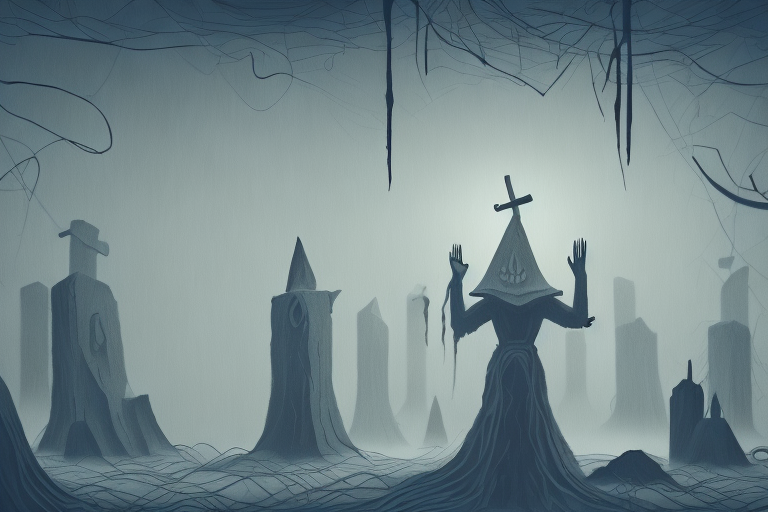
Mystery and thriller novels have enthralled readers for centuries with their gripping plots, memorable characters, and spine-tingling suspense. Among the authors who have made a lasting impact on the genre, Lars Emmerich has emerged as a standout with a unique talent for crafting stories that keep readers on the edge of their seats.
The Psychology of Fear: Understanding Why We Love Mystery and Thriller Tropes
Before diving into Emmerich’s favorite mystery and thriller tropes, it’s important to explore why readers are drawn to this genre in the first place. According to psychologists, fear and anxiety are natural human emotions that evolved to keep us safe from danger. When we experience these emotions in a setting where there is no real threat, such as while reading a book or watching a movie, it can be an exhilarating and enjoyable experience.
Mystery and thriller novels are especially effective at tapping into this primal fear response because they often involve plausible scenarios that could realistically happen in our own lives. Emmerich’s stories are no exception, with their focus on everyday people caught up in extraordinary and dangerous situations. By experiencing these scenarios vicariously through the characters, readers can safely explore their own fears and anxieties while enjoying an entertaining and thought-provoking story.
The Evolution of Mystery and Thriller Tropes: From Classic Noir to Modern Suspense
Mystery and thriller novels have a rich history that spans several centuries, with each era leaving its own unique mark on the genre. From the classic noir mysteries of the 1920s and 30s, to the psychological suspense novels of the 1970s and 80s, to the fast-paced thrillers of today, the genre has continued to evolve and adapt to the changing times.
Lars Emmerich’s work draws from many of these different eras, blending classic tropes with modern sensibilities to create a fresh and exciting reading experience. His stories often feature hard-boiled detectives, femme fatales, and intricate plots reminiscent of the golden age of mystery, while also incorporating elements of cybercrime, terrorism, and other modern-day threats that keep readers hooked until the very end.
The Role of Setting in Creating Suspense: How Lars Emmerich Uses Location to Build Tension
One of the most distinctive aspects of Emmerich’s writing is his use of setting to create a palpable sense of tension and unease. Whether his stories are set in the dark alleys of a city’s seedy underbelly or in the sprawling wilderness of the American West, Emmerich’s attention to detail and evocative descriptions put readers right in the middle of the action.
In many of his novels, the setting itself becomes almost like a character, with its own unique history and personality that influences the storyline. This can range from the oppressive heat of a desert landscape to the claustrophobic confines of a high-tech laboratory. By immersing readers in these vividly described environments, Emmerich is able to create a fully-realized world that feels both thrilling and authentic.
The Art of Character Building: Crafting Compelling Protagonists and Antagonists in Mystery and Thriller Novels
At the heart of any great mystery or thriller novel are the characters who inhabit it. Whether they are the hero, the villain, or something in between, the characters in these stories must be fully-formed and believable in order to hold readers’ attention. Emmerich excels in this regard, with a talent for creating complex and multi-dimensional characters that readers can truly invest in.
His protagonists are often flawed and vulnerable, with relatable struggles that make them all the more human. Likewise, his villains are rarely one-dimensional caricatures, with their own motivations and insecurities that make them all the more chilling. By crafting characters that feel real and authentic, Emmerich is able to draw readers deeper into the story and keep them engaged throughout.
The Importance of Plot Twists and Red Herrings: How Lars Emmerich Keeps Readers Guessing Until the End
One of the hallmarks of a great mystery or thriller novel is its ability to keep readers guessing until the very end. Emmerich is a master of this art form, with a talent for crafting intricate plots that are full of twists and turns.
In many of his novels, Emmerich employs the use of red herrings – false clues or leads that distract the reader from the true solution to the mystery. This can be a highly effective tool in keeping readers on their toes and guessing until the final reveal. Likewise, Emmerich’s penchant for plot twists and unexpected developments help keep readers invested and engaged from start to finish.
The Power of Foreshadowing: How to Drop Clues Without Giving Away the Ending
Another key element of Emmerich’s writing is his use of foreshadowing – the art of dropping subtle clues throughout the story that hint at what is to come. When done well, foreshadowing can add another layer of depth and complexity to the plot, while also keeping readers engaged and invested in the story.
Emmerich is a master of this art form, often sprinkling hints and clues throughout his stories that only become clear in hindsight. By using foreshadowing in this way, Emmerich is able to create a sense of anticipation and tension that builds over the course of the story, ultimately leading to a satisfying payoff in the final act.
The Use of Symbolism in Mystery and Thriller Novels: How Objects and Images Can Add Deeper Meaning to the Story
Another hallmark of Emmerich’s writing is his use of symbolism – the art of using objects, images, or motifs to add deeper meaning to the story. This can be an effective way to add layers of depth and nuance to the plot, while also engaging readers on a more intellectual level.
Whether it’s the repetition of a certain image or a subtle reference to a piece of literature, Emmerich’s use of symbolism is always carefully crafted and thought-provoking. By inviting readers to explore these deeper layers of meaning, Emmerich is able to elevate his stories beyond mere entertainment and into the realm of literature.
The Ethics of Violence in Fiction: Balancing Entertainment with Sensitivity to Real-World Issues
One issue that often arises in mystery and thriller novels is the use of violence as a plot device. While violence can be an effective tool in creating suspense and tension, it can also be problematic when it crosses the line into gratuitous or exploitative territory.
Emmerich is a writer who understands the delicate balance between using violence as a narrative device and exploiting it for cheap thrills. His stories often deal with difficult and sensitive topics, such as terrorism, drug trafficking, and organized crime, but he approaches these subjects with a sensitivity and nuance that shows a deep respect for real-world issues. By doing so, he is able to create thought-provoking and socially relevant stories that are both entertaining and respectful.
From Page to Screen: How Lars Emmerich’s Novels Translate to Film and Television Adaptations
Finally, it’s worth discussing the impact that Emmerich’s work has had on the film and television industry. Many of his novels have been adapted for the screen, with varying degrees of success.
While not every adaptation has been a critical or commercial hit, Emmerich’s stories have proven to be fertile ground for filmmakers looking to create gripping and engaging narratives. The cinematic qualities of his writing – the vivid settings, the complex characters, the intricate plots – make his stories a natural fit for adaptation. With the continued interest in mystery and thriller stories in the entertainment industry, it’s likely that we will see even more of Emmerich’s work on the big and small screen in the years to come.
Conclusion
In conclusion, Lars Emmerich’s work stands out as some of the most compelling and exciting in the mystery and thriller genre. Through his use of evocative settings, memorable characters, and intricate plots, Emmerich has created a body of work that keeps readers engaged and invested from start to finish.
By exploring the psychology of fear, the evolution of the genre, and the various techniques that Emmerich employs to create suspense and tension, we can gain a deeper appreciation for the art and craft of mystery and thriller writing. Whether reading his novels for entertainment or literary analysis, there’s no denying that Lars Emmerich is a writer who has made a significant impact on the genre and will continue to do so for years to come.