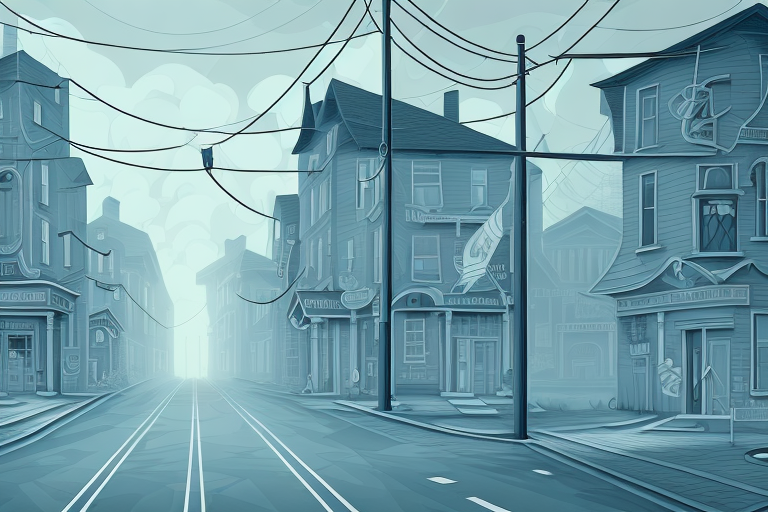
Mystery and thriller books have long been a staple in literature. Readers love the suspense, tension, and unexpected twists that come with these genres. Lars Emmerich, a renowned author in the mystery and thriller genre, is well known for his love of writing books set in small towns. This article will explore why small towns are perfect settings for mysteries and thrillers, the role of clues in small town mysteries, how Lars Emmerich uses suspense to keep readers hooked, the importance of red herrings in mystery and thriller writing, building complex characters in small town mysteries, the art of misdirection, and how to keep readers guessing until the end. We will also take a look at Lars Emmerich’s writing style and favorite plot devices.
Why Small Towns are Perfect Settings for Mysteries and Thrillers
Small towns offer a unique and intimate backdrop for mysteries and thrillers. These settings allow for a sense of community and closeness that can enhance the suspense and tension of the story. The isolation of small towns also means that secrets are more easily kept, and it is easier to establish a sense of danger and unease. Small towns also have a strong sense of history and tradition, which can add to the overall atmosphere of the story.
Another reason why small towns are perfect settings for mysteries and thrillers is that they often have a tight-knit social structure. This means that characters are more likely to have personal connections to each other, which can create complex relationships and motives for the crime. Additionally, small towns often have a limited number of suspects, which can make it easier for readers to try and solve the mystery alongside the protagonist.
Finally, small towns can also provide a sense of nostalgia and familiarity for readers. Many people have fond memories of growing up in a small town or visiting one during their childhood. By setting a mystery or thriller in a small town, authors can tap into these emotions and create a deeper connection between the reader and the story. This can make the stakes feel higher and the resolution more satisfying.
The Role of Clues in Small Town Mysteries
Clues are an essential part of any mystery novel, and small towns offer a wealth of opportunities for clues to be discovered. The close-knit community and smaller population means that there are fewer suspects and motives to sift through, allowing clues to be more easily uncovered. This can make for a more satisfying read, as readers can uncover clues alongside the protagonist and feel a sense of satisfaction when the mystery is finally solved.
Furthermore, small towns often have a rich history and unique local customs that can provide valuable clues to the mystery. For example, a small town with a tradition of ghost stories may have a clue related to a supposed haunting. Or, a town with a history of feuds between families may have a motive for a crime rooted in a long-standing grudge.
However, small towns can also present challenges for mystery writers. The limited number of suspects can make it difficult to create a compelling and unpredictable plot. Additionally, small towns may have a culture of secrecy and loyalty that can make it hard for outsiders, including the protagonist, to uncover the truth. Despite these challenges, when done well, small town mysteries can be some of the most engaging and satisfying reads in the mystery genre.
How Lars Emmerich Uses Suspense to Keep Readers Hooked
Suspense is one of the keys to a successful mystery or thriller novel. Lars Emmerich is a master at building tension and keeping readers on the edge of their seats. He uses a range of techniques to keep readers hooked, from cliffhangers at the end of chapters to unexpected plot twists and revelations. Emmerich also creates strong and relatable protagonists that readers can root for and become invested in.
In addition to these techniques, Emmerich also uses vivid and descriptive language to create a sense of atmosphere and tension. He carefully chooses his words to paint a picture in the reader’s mind, making them feel as though they are right there in the scene. This attention to detail and immersive writing style is what sets Emmerich apart from other authors in the genre.
The Importance of Red Herrings in Mystery and Thriller Writing
Red herrings are false clues that can lead the protagonist and the reader down the wrong path. They are an important part of mystery and thriller writing, as they add to the suspense and keep the reader guessing. Small towns are well suited for red herrings, as there are often multiple suspects and motives that can be explored. However, it is important to not overuse red herrings, as they can become predictable and lose their impact.
One way to effectively use red herrings is to tie them into the overall theme or message of the story. For example, if the theme is about the dangers of making assumptions, a red herring could be a character who appears guilty but is actually innocent due to a misunderstanding. This not only adds to the suspense, but also reinforces the theme of the story.
Another important aspect of using red herrings is to make sure they are believable and not too far-fetched. If a red herring is too obvious or unrealistic, it can take the reader out of the story and ruin the suspense. It is important to carefully craft each red herring and make sure it fits seamlessly into the plot.
Building Complex Characters in Small Town Mysteries
Small towns offer a unique opportunity to build complex and multi-faceted characters. The close-knit community means that characters are often interconnected in various ways, which can lead to interesting dynamics and conflicts. Lars Emmerich is a master at creating complex characters that are both relatable and flawed. He explores their motivations and backstories in a way that adds depth and nuance to the story.
The Art of Misdirection: How to Keep Readers Guessing Until the End
Misdirection is another key tactic in mystery and thriller writing. It involves leading the reader down one path while the real solution is hidden in plain sight. Lars Emmerich is adept at using misdirection to keep readers guessing until the very end. He subtly plants clues and hints that are easy to miss on the first read-through, leading readers to second-guess their assumptions and hypotheses.
The Psychological Thriller: A Look into Lars Emmerich’s Writing Style
Lars Emmerich’s writing style is characterized by a focus on the psychological aspect of the thriller genre. He explores themes of trauma, grief, and mental illness in a nuanced and empathetic way. Emmerich is adept at getting into the heads of his characters, making readers feel as though they are experiencing the story alongside them. His writing often blurs the line between reality and perception, creating a sense of unease and uncertainty.
Creating a Sense of Place: Describing Small Towns in Mysteries and Thrillers
Describing the setting is an important part of building atmosphere in a mystery or thriller novel. Small towns offer plenty of opportunities to create a sense of place, from the architecture of the buildings to the quirks of the local inhabitants. Lars Emmerich is skilled at using descriptive language to bring small towns to life, adding to the overall sense of tension and suspense.
The Unpredictable Twist: Lars Emmerich’s Favorite Plot Device
Lars Emmerich is known for his love of unpredictable twists in his writing. He creates a rollercoaster of emotions for his readers, leading them to believe they have everything figured out before pulling the rug out from under them. These unpredictable twists keep readers engaged and invested in the story, making for an unforgettable reading experience.
In conclusion, Lars Emmerich’s love for small town mysteries and thrillers is rooted in the genre’s unique ability to build suspense and tension in a close-knit community setting. His reliance on techniques such as misdirection and red herrings keep his readers guessing, while his strong character development and expertly crafted twists make for a satisfying read. Emmerich’s writing style adds a psychological depth to the genre, making his novels stand out as truly unique.