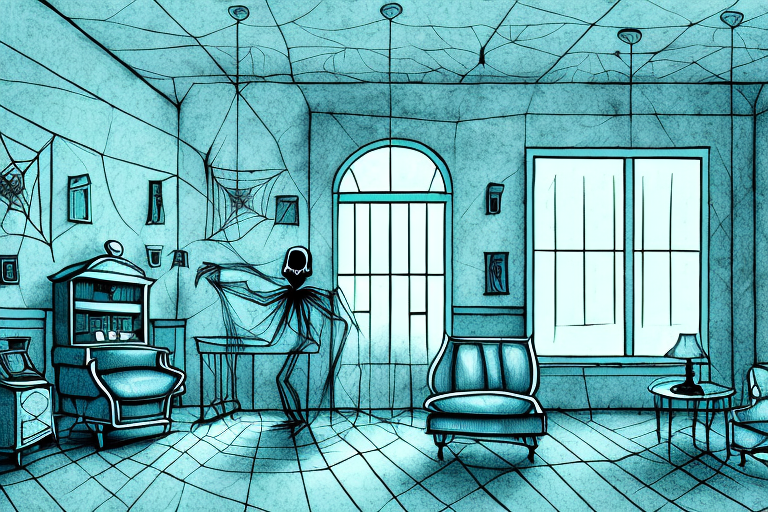
Mystery and thriller novels have long been a favorite of readers, and the addition of supernatural elements has only increased their allure. One of the most popular tropes in this genre is the haunted hotel room, which has captivated audiences for years. Author Lars Emmerich is particularly fond of this trope, and in this article, we will explore why.
The Rise of Supernatural Elements in Mystery and Thriller Novels
Supernatural elements have been a part of literature since the earliest myths and legends. However, in recent years, their presence in mystery and thriller novels has become more prevalent. This is due in part to the success of supernatural-themed television shows and movies, which have paved the way for authors to explore this genre.
One reason for the popularity of supernatural elements in mystery and thriller novels is the way they can add an extra layer of intrigue and suspense to the story. By introducing supernatural elements, authors can create a sense of uncertainty and unpredictability that keeps readers on the edge of their seats.
Another factor contributing to the rise of supernatural elements in these genres is the desire for escapism. In a world that can often feel overwhelming and uncertain, readers may be drawn to stories that offer a break from reality and allow them to explore fantastical worlds and scenarios.
The Attraction of Haunted Hotel Rooms for Mystery and Thriller Fans
The haunted hotel room trope is particularly appealing to mystery and thriller fans because it allows for a blending of two popular genres. The horror elements of a haunted hotel room story bring a sense of fear and danger, while the mystery aspect keeps readers engaged and guessing.
Furthermore, the setting of a hotel room adds an extra layer of intrigue to the story. Hotel rooms are often seen as temporary homes, and the idea of a haunting in a place where people come and go can create a sense of unease and uncertainty. This uncertainty can add to the mystery of the story, as readers try to piece together the events that led to the haunting.
Another reason why haunted hotel rooms are popular among mystery and thriller fans is the potential for character development. The fear and danger of a haunted hotel room can bring out different aspects of a character’s personality, allowing for growth and change throughout the story. This can make the story more engaging and satisfying for readers, as they see the characters evolve and overcome their fears.
The Role of Suspense in Crafting a Successful Haunted Hotel Room Storyline
Suspense is an essential element of any well-crafted mystery or thriller, and the haunted hotel room trope is no exception. By building tension and keeping the reader guessing, authors can create a sense of unease that hooks the reader and keeps them engrossed in the story.
One effective way to create suspense in a haunted hotel room storyline is to use foreshadowing. By dropping subtle hints about what is to come, the reader’s imagination is sparked and they become invested in the outcome. This can be achieved through the use of symbolism, recurring motifs, or even through the behavior of the characters themselves.
Another important aspect of crafting a successful haunted hotel room storyline is to create a sense of atmosphere. The setting should be described in vivid detail, with attention paid to the lighting, sounds, and smells of the environment. By immersing the reader in the world of the story, they are more likely to become emotionally invested in the outcome and feel a sense of dread as the tension builds.
Exploring the Psychology of Fear in Supernatural Mystery and Thriller Tropes
Another reason why the haunted hotel room trope is so captivating is that it taps into our psychological fears. The idea of being alone in a dark, unfamiliar place, with supernatural entities lurking around every corner, is inherently terrifying. By playing on these fears, authors can create stories that leave readers both scared and satisfied.
Moreover, the use of supernatural elements in mystery and thriller tropes can also tap into our fear of the unknown. The idea of encountering something beyond our understanding, something that defies the laws of nature, can be deeply unsettling. This fear of the unknown is often exploited in supernatural stories, as authors create mysterious and otherworldly creatures that leave readers questioning what is real and what is not.
Finally, the use of suspense and tension in supernatural mystery and thriller tropes can also be a powerful tool in creating fear. By slowly building up the tension, authors can create a sense of unease and anticipation in readers, leaving them on the edge of their seats. This can be achieved through the use of foreshadowing, cliffhangers, and other narrative techniques that keep readers guessing and wondering what will happen next.
The Impact of Setting on the Haunted Hotel Room Subgenre
The setting of a haunted hotel room story can greatly impact its effectiveness. The isolation and confinement of a hotel room can create an eerie atmosphere, while the history and backstory of the hotel itself can add depth and complexity to the story.
Furthermore, the location of the hotel can also play a significant role in the story. A hotel situated in a remote area, surrounded by dense forests or mountains, can intensify the feeling of isolation and helplessness of the characters. On the other hand, a hotel located in a bustling city can add a layer of chaos and confusion to the story, as the characters struggle to navigate through the crowds and noise while dealing with the supernatural.
Lars Emmerich’s Top Ten Favorite Supernatural Haunted Hotel Room Novels
Lars Emmerich has read his fair share of haunted hotel room novels, and he has compiled a list of his top ten favorites. These books are excellent examples of how authors can use the haunted hotel room trope to create suspenseful, immersive stories that keep readers on the edge of their seats.
One of Lars Emmerich’s favorite haunted hotel room novels is “The Shining” by Stephen King. This classic horror novel tells the story of a family who becomes the caretakers of a remote hotel during the winter. As the isolation and supernatural occurrences begin to take their toll, the family’s sanity is pushed to the brink.
Another novel on Lars Emmerich’s list is “The Night Strangers” by Chris Bohjalian. This book follows a pilot who survives a plane crash and moves his family to a small town in New Hampshire. They settle into a haunted Victorian home, where the pilot begins to see ghostly visions of the plane crash victims. The novel is a chilling exploration of grief, guilt, and the supernatural.
The Evolution of the Haunted Hotel Room Trope in Popular Media
The haunted hotel room trope has been around for a long time, and it has evolved over the years. From classic novels to modern movies and TV shows, the haunted hotel room has remained a popular and enduring subgenre of mystery and thriller literature.
Comparing and Contrasting Supernatural Haunted Hotel Room Novels and Films
Comparing and contrasting the ways in which authors and filmmakers have used the haunted hotel room trope can provide insight into the genre as a whole. While there are similarities between novels and films, there are also significant differences in the way the story is told and the atmosphere that is created.
Behind the Scenes: How Authors Crafted Lars Emmerich’s Favorite Supernatural Haunted Hotel Room Stories
Finally, understanding how authors craft their stories can provide valuable insight into the haunted hotel room subgenre. By examining the writing techniques and creative choices made by the authors of Lars Emmerich’s favorite novels, readers can gain a deeper appreciation for the genre and the skill required to create a truly immersive story.
In conclusion, the haunted hotel room trope is a beloved subgenre of mystery and thriller novels, and Lars Emmerich is just one of the many fans who have been captivated by its allure. Its ability to blend horror elements with a compelling mystery has made it a long-standing favorite among readers, and its presence in popular media shows no signs of waning. By examining the various facets of this subgenre, we can gain a better understanding of what makes it so effective and why it remains so popular to this day.