Thriller novels have been a popular genre for centuries and continue to capture the imagination of readers worldwide. From the classic noir novels of the 1940s and 1950s to the modern techno-thrillers of today, the genre has undergone several transformations throughout the years. In this article, we will explore two iconic works of this genre – “The Big Sleep” by Raymond Chandler and “Deep Fake” by Lars Emmerich. We will examine the common elements of the classic noir style and how these books differ in terms of plot, characters, and writing style.
Exploring the Classic Noir Elements of The Big Sleep
Raymond Chandler’s “The Big Sleep” was first published in 1939 and quickly became a classic of the noir genre. One of the defining features of classic noir is the balance between cynicism and romanticism. Chandler’s novel perfectly captures this balance, with its hard-boiled dialogue and characterizations of a world-weary private investigator named Philip Marlowe.
The novel is set in Los Angeles in the 1930s and features a complex plot involving blackmail, murder, pornography, and corruption. Chandler’s writing style is notable for its spare and powerful prose, as well as its attention to detail. The dialogues between the characters feel authentic and create a vivid sense of realism.
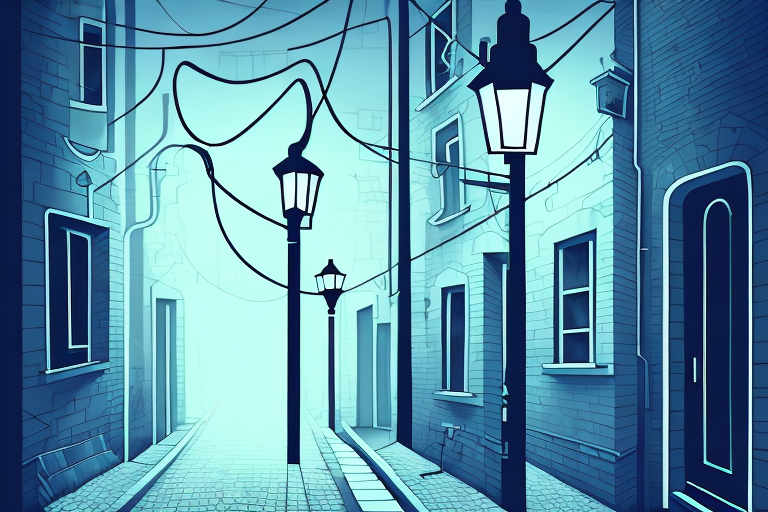
Another important element of classic noir that is present in “The Big Sleep” is the use of shadows and darkness to create a sense of mystery and danger. Chandler’s descriptions of the city at night, with its dimly lit streets and shadowy alleyways, add to the overall atmosphere of the novel. The use of light and shadow also serves to highlight the moral ambiguity of the characters, as they navigate a world where right and wrong are not always clear-cut.
Additionally, “The Big Sleep” features a strong female character in the form of Vivian Sternwood, the daughter of a wealthy businessman who becomes embroiled in the case that Marlowe is investigating. Vivian is intelligent, independent, and unafraid to take risks, making her a refreshing departure from the typical damsel in distress often found in noir fiction. Her interactions with Marlowe are complex and nuanced, adding another layer of depth to the novel’s exploration of human relationships and motivations.
Analyzing the Complex Plot of Raymond Chandler’s Masterpiece
The plot of “The Big Sleep” is notoriously complex, involving a wealthy and corrupt family embroiled in blackmail and murder. Marlowe is hired by the family patriarch, General Sternwood, to investigate a blackmail scheme involving his daughter Carmen. The plot thickens when Marlowe also becomes involved with Sternwood’s other daughter, Vivian.
As the investigation progresses, Marlowe discovers a number of corrupt characters and a web of deceit that ultimately leads to murder. Chandler’s skillful handling of the intricate plot and its various subplots is a testament to his mastery of the noir genre.
One of the most interesting aspects of “The Big Sleep” is the way Chandler uses the plot to explore the corrupt underbelly of Los Angeles society. Through Marlowe’s investigation, we see the seedy side of Hollywood, with its drug dealers, pornographers, and corrupt police officers. Chandler’s portrayal of the city as a hotbed of vice and corruption was groundbreaking for its time and helped to establish the noir genre as a major force in American literature.
Another notable feature of “The Big Sleep” is the character of Philip Marlowe himself. Marlowe is the archetypal hard-boiled detective, with a tough exterior and a cynical outlook on life. However, he also has a strong sense of justice and a moral code that sets him apart from the corrupt characters he encounters. Marlowe’s complex personality and his interactions with the other characters in the novel make him a fascinating protagonist and one of the most enduring figures in detective fiction.
An Overview of Lars Emmerich’s “Deep Fake” and its Themes
Lars Emmerich’s “Deep Fake” is a modern thriller published in 2020. The novel explores the theme of identity in the age of digital media. In this fast-paced thriller, Alex Lekander, a former Navy SEAL and intelligence agent, investigates a series of cyberattacks that lead to a global conspiracy.
The novel is set in a world of technology where fake news and deepfakes are used to manipulate public opinion and advance various agendas. Emmerich’s writing is notable for its attention to detail and its exploration of the dark side of technology.
The Evolution of Thriller Novels – From Classic Noir to Modern Techno-thrillers
The genre of thriller novels has undergone several transformations from its inception. Classic noir, as exemplified by “The Big Sleep”, primarily focused on characterizations and the balance between cynicism and romanticism. Modern techno-thrillers, like “Deep Fake”, take on a more technological approach to storytelling and often deal with issues of digital media and cyber attacks.
Both genres have their unique characteristics, but they share common elements such as high-stakes plots and a focus on tension. The evolution of the genre has shown how it keeps pace with the changing times and incorporates new technological and social developments.
A Comparison of the Writing Styles of Raymond Chandler and Lars Emmerich
Whilst the genre of thriller novels has evolved over time, so too have the writing styles of the authors who have breathed life into it. Chandler’s writing style is characterized by its beautiful prose and vivid descriptions, and his ability to convey realism through dialogue is unparalleled.
Emmerich’s writing style, on the other hand, is more focused on action and pace, as befits a modern techno-thriller. His attention to detail and skillful use of technology add another layer of complexity to the genre. Both writers exemplify the genre and demonstrate how the evolution of writing styles allows the genre to stay relevant.
The Role of Protagonists in Thriller Novels – Philip Marlowe vs. Alex Lekander
Protagonists in thriller novels often share common characteristics such as resilience, intelligence, and resourcefulness. Philip Marlowe in “The Big Sleep” embodies these traits, displaying his unique skill set as a private investigator. Marlowe’s cynicism and experience help him navigate the complex plot, and his love for justice drives him towards his ultimate goal.
On the other hand, Alex Lekander in “Deep Fake” is an ex-intelligence agent, whose skills in cyber security and technology make him an ideal protagonist for the modern techno-thriller. His loyalty, intelligence, and resourcefulness are all important qualities that help him navigate through the complex world of cyber security and global conspiracies.
The Significance of Setting in The Big Sleep and “Deep Fake”
The setting is a vital element in the thriller genre and plays an essential part in building the tension and atmosphere of the story. Chandler’s “The Big Sleep” is set in Los Angeles in the 1930s, a city plagued by corruption and crime. The setting of Los Angeles is a perfect backdrop for the complex plot and lends itself well to the noir style of storytelling.
“Deep Fake,” on the other hand, is set in a modern world of technology and cyberattacks. The setting of an interconnected, digital world amplifies the tension and the stakes in the novel. Both works demonstrate how the setting can be a crucial factor in the success of a thriller novel.
The Use of Dialogue in Raymond Chandler’s Novel and Lars Emmerich’s Work
Dialogue is an essential component of any novel, especially in the thriller genre. Chandler’s writing style is characterized by his skillful use of dialogue, which adds realism and depth to his characters. The dialogues between Marlowe and the various characters in “The Big Sleep” feel authentic and create a real sense of tension.
Emmerich’s use of dialogue in “Deep Fake” is similarly effective, with fast-paced and tense exchanges that add to the overall feeling of action and drama in the novel. The use of dialogue in both works is indicative of how the genre relies on communication and interaction to drive the plot forward.
A Study of Characterization in Thriller Novels – Vivian Sternwood Rutledge vs. Rachel Greenberg
Characterization is a crucial component of any novel, and thrillers are no exception. In “The Big Sleep,” Vivian Sternwood Rutledge is a well-written female character who defies traditional gender roles of the time. She is intelligent, independent, and resourceful, and her dynamic relationship with Marlowe adds depth to the plot.
“Deep Fake” features Rachel Greenberg, a headstrong and determined investigative journalist who is not afraid to take risks to uncover the truth. Her character is well-written, and her dogged pursuit of the truth adds tension and depth to the story.
Conclusion
Thriller novels have been an exciting and dynamic genre that has undergone numerous transformations over time. This article has demonstrated how two iconic works in the genre, “The Big Sleep,” and “Deep Fake,” differ in terms of their plot, writing style, characterization, and setting. However, they share common elements such as high-stakes plots, tension, and exciting pacing. This article has also highlighted how the evolution of the thriller genre has allowed it to remain relevant and adapt to the changing times. Whether in classic noir or modern techno-thrillers, the genre remains at the forefront of popular culture.