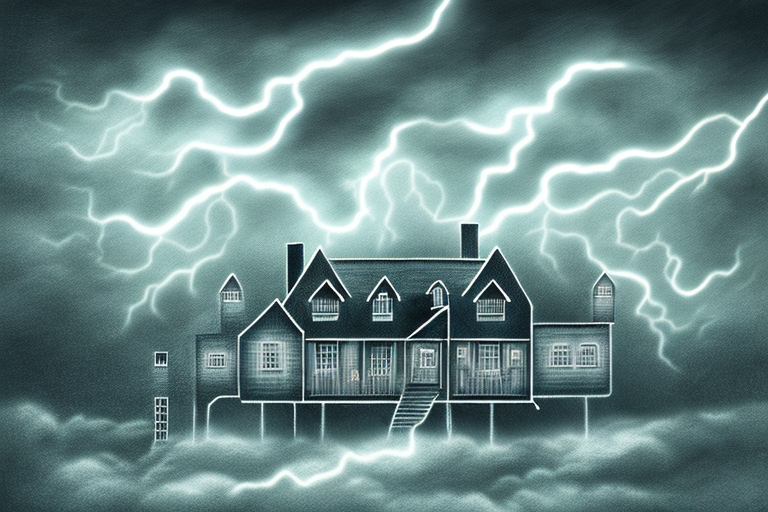
Thriller novels are a genre that has always been popular among readers. Most readers love thrillers because of the plot twists, tension, suspense, and often unexpected endings. In this article, we will be comparing two popular thriller novels, ‘The Little Stranger’ by Sarah Waters and ‘The Blowback Protocol’ by Lars Emmerich. These two novels have been widely read and received critical acclaim from readers and literary critics alike. In this comprehensive comparison, we will look at various aspects of each novel such as the plot elements, characters, writing styles, key themes, settings, and much more.
The Plot Elements in The Little Stranger
‘The Little Stranger’ is a novel that is set in post-World War II Britain. The novel follows the story of Dr. Faraday, a country doctor, who visits the Ayres family at Hundreds Hall, a dilapidated Georgian mansion. The Ayres family is experiencing strange occurrences that they cannot explain. Waters builds a sense of unease through the eerie occurrences that happen in the mansion, which gradually increase in frequency and intensity. The novel is, essentially, a character study of Dr. Faraday, Caroline, and Roderick Ayres, and their relationships with each other and the mysterious entity haunting their home.
One of the key themes in ‘The Little Stranger’ is the decline of the British aristocracy. The Ayres family, who were once wealthy and influential, are now struggling to maintain their estate and their social status. This is reflected in the deteriorating condition of Hundreds Hall, which serves as a metaphor for the decline of the family’s fortunes. The novel also explores the tensions between the upper and lower classes, as Dr. Faraday, who comes from a working-class background, tries to navigate the complex social dynamics of the Ayres family. Through these themes, Waters offers a commentary on the changing social landscape of post-war Britain.
The Plot Elements in The Blowback Protocol
‘The Blowback Protocol’ by Lars Emmerich is a fast-paced thriller that is set in the post-Cold War era. The novel follows the story of CIA agent Devlin Goldman, who is tasked with investigating the murder of his friend, a former spy. He is led on a wild chase across continents, as he tries to uncover the truth about his friend’s murder and prevent a nuclear attack. The novel is action-packed, with Emmerich building a sense of urgency throughout the book, as the clock ticks down on a potential nuclear disaster.
Analyzing the Characters in The Little Stranger
The characters in ‘The Little Stranger’ are complex and well-developed. Waters has created a cast of characters that are flawed and human. Dr. Faraday, the protagonist, is a man who is haunted by his love for the Ayres family and the desire to belong to their aristocratic world. Roderick Ayres is a broken man, haunted by his experiences in the war, and Caroline Ayres, his sister, is the glue that holds the family together. Waters’ characters are nuanced, and the relationships between them are fascinating to watch unfold.
Analyzing the Characters in The Blowback Protocol
The characters in ‘The Blowback Protocol’ are also well-defined and strong. Devlin Goldman is a typical action hero, with a tragic backstory that motivates him to complete his mission. The other characters in the novel are well-defined and add a sense of realism to the story. Emmerich never loses sight of his characters, despite the fast-paced nature of the plot, and the characters are never just one-dimensional plot devices.
Sarah Waters’ Writing Style in The Little Stranger
Waters’ writing style in ‘The Little Stranger’ is atmospheric and evocative. She uses language to create a sense of dread and unease, building the tension slowly and deliberately. The novel is written in the first person, with Dr. Faraday as the narrator. Waters uses this narrative style to great effect, as we are drawn deeper into the tormented psyche of the protagonist.
Lars Emmerich’s Writing Style in The Blowback Protocol
Emmerich’s writing style in ‘The Blowback Protocol’ is fast-paced and action-packed. He uses short, punchy sentences to create a sense of urgency, and his descriptions are vivid and detailed. The novel is written in the third person, allowing for multiple perspectives to be presented. Emmerich’s writing style keeps the reader engaged from the first page to the last.
Themes of Family and Class in The Little Stranger
The theme of family is central to ‘The Little Stranger.’ The Ayres family is as much a character as any of the people in the novel. Waters explores the dynamics of a family in decline, and the tensions that arise as the family members try to hold on to their once-great heritage. The theme of class is also explored, with Dr. Faraday’s obsession with the aristocracy driving the plot.
Themes of Espionage and Politics in The Blowback Protocol
‘The Blowback Protocol’ explores the themes of espionage and politics. The novel is set in a time when the world was on the brink of major geopolitical changes. Emmerich explores the murky world of spy craft, and the moral dilemmas that come with it. The politics of the time also play a significant role, with the push-and-pull between the US and Russia adding to the tension of the story.
Comparing the Settings of The Little Stranger and The Blowback Protocol
The settings of the two novels are vastly different. ‘The Little Stranger’ is set in rural post-war Britain, and ‘The Blowback Protocol’ is set in various locations across the world. However, both settings are used to great effect in building the atmosphere of the novels. Waters’ depiction of the crumbling Hundreds Hall adds to the sense of decay and decline that permeates the book. Emmerich’s use of multiple locations adds to the sense of urgency and movement in the novel.
Plot Twists and Surprise Endings: A Comparison of the Novels
Both ‘The Little Stranger’ and ‘The Blowback Protocol’ have well-executed plot twists and surprise endings. Waters’ twist is masterful, with the reader left questioning everything they thought they knew. Emmerich’s ending is also well done, with a final twist that sets up a potential sequel.
Historical Contexts: How Waters and Emmerich Incorporate Real-Life Events into their Novels
Both authors have used historical events to add depth and realism to their novels. Waters’ depiction of post-war Britain is detailed and accurate, adding context to the story. Emmerich’s use of the post-Cold War era adds to the geopolitical tension of the novel. Both authors use real-life events to enhance their stories, and the results are impressive.
Marketing Strategies: Why Did These Thriller Novels Become Bestsellers?
The marketing strategies behind the success of Waters’ and Emmerich’s novels are varied. Waters’ novels have always been popular, thanks to her immense talent as a storyteller. Emmerich’s novel was marketed as an action-packed thriller, with the promise of a strong plot and well-defined characters. The success of both novels can be attributed to the skill of the authors and the efficacy of the marketing campaigns.
Reader Reviews: How Do Fans Respond to Waters’ and Emmerich’s Work?
Readers have responded positively to both ‘The Little Stranger’ and ‘The Blowback Protocol.’ Fans of ‘The Little Stranger’ appreciate Waters’ talent for building tension, and the strength of her characterization. Fans of ‘The Blowback Protocol’ enjoy Emmerich’s ability to create an engaging plot, and his fast-paced writing style. Both novels have generated a loyal fan base, with readers eagerly anticipating the next offering from each author.
Film Adaptations: Comparing the Movie Versions of The Little Stranger and The Blowback Protocol
‘The Little Stranger’ was adapted into a movie in 2018, with mixed results. While the movie was well-acted and visually striking, it deviated significantly from the source material, leaving some fans disappointed. ‘The Blowback Protocol’ has yet to be adapted into a movie, but Emmerich has expressed an interest in seeing his work on the big screen. It remains to be seen how a potential movie version will be received.
Final Thoughts
‘The Little Stranger’ by Sarah Waters and ‘The Blowback Protocol’ by Lars Emmerich are two excellent examples of the thriller genre. Each novel has its strengths, and they are both worth reading. Waters and Emmerich are both talented writers, and it will be interesting to see what they come up with next.